All destinations

Netherlands

Netherlands
Netherlands 2
Netherlands 3
Netherlands 4
Netherlands 5

The Netherlands are a country built on land reclaimed from the sea: close to a quarter of the surface lies below sea level, and the windmills, polders and dyke systems form the technical inheritance of a centuries-old struggle to keep the ground habitable. Amsterdam, capital of the 17th-century Golden Age, has preserved its concentric canal pattern, UNESCO-listed in 2010; the Rijksmuseum and the Van Gogh Museum hold the painted memory of that age and its continuations. Rotterdam, levelled by the German bombing of May 1940, chose to break with traditional urbanism and became the European laboratory of contemporary architecture. Delft keeps the legacy of Vermeer and the know-how of blue-and-white earthenware; The Hague, seat of government and of the International Court of Justice, holds at the Mauritshuis the Girl with a Pearl Earring and the Anatomy Lesson of Dr Tulp. Following the trail of Rembrandt, Vermeer and Van Gogh traces a cultural route across the whole country. In the countryside, the working windmills of Zaanse Schans, the tulip season at Keukenhof from April to May and the car-free village of Giethoorn form the Dutch landscapes most often recognised abroad.

Practical info

Language
Dutch (English spoken everywhere)
Currency
Euro (€)
Time zone
UTC+1 (CET)
Airport
Amsterdam Schiphol (AMS), European hub

Regions

Amsterdam

Amsterdam

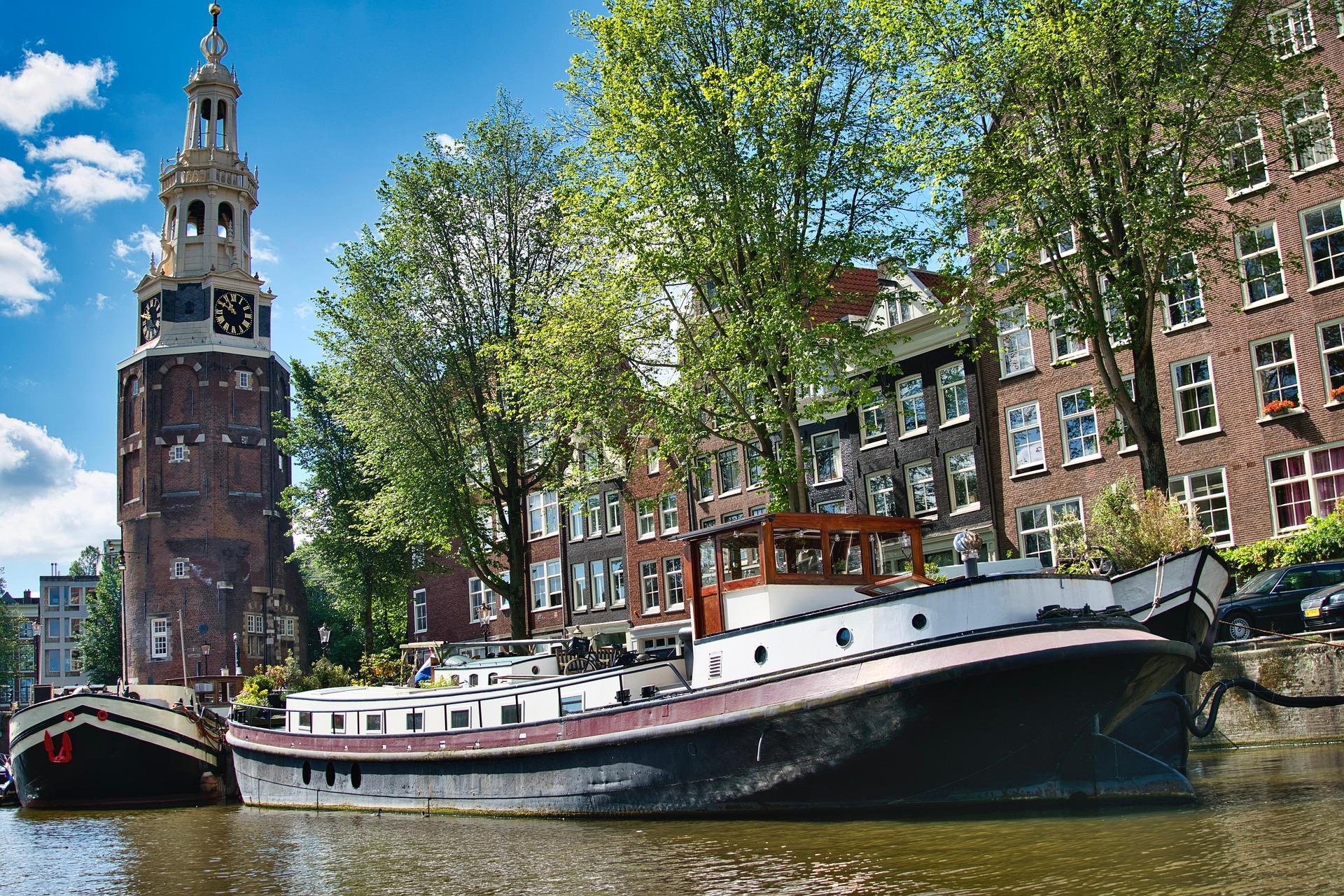
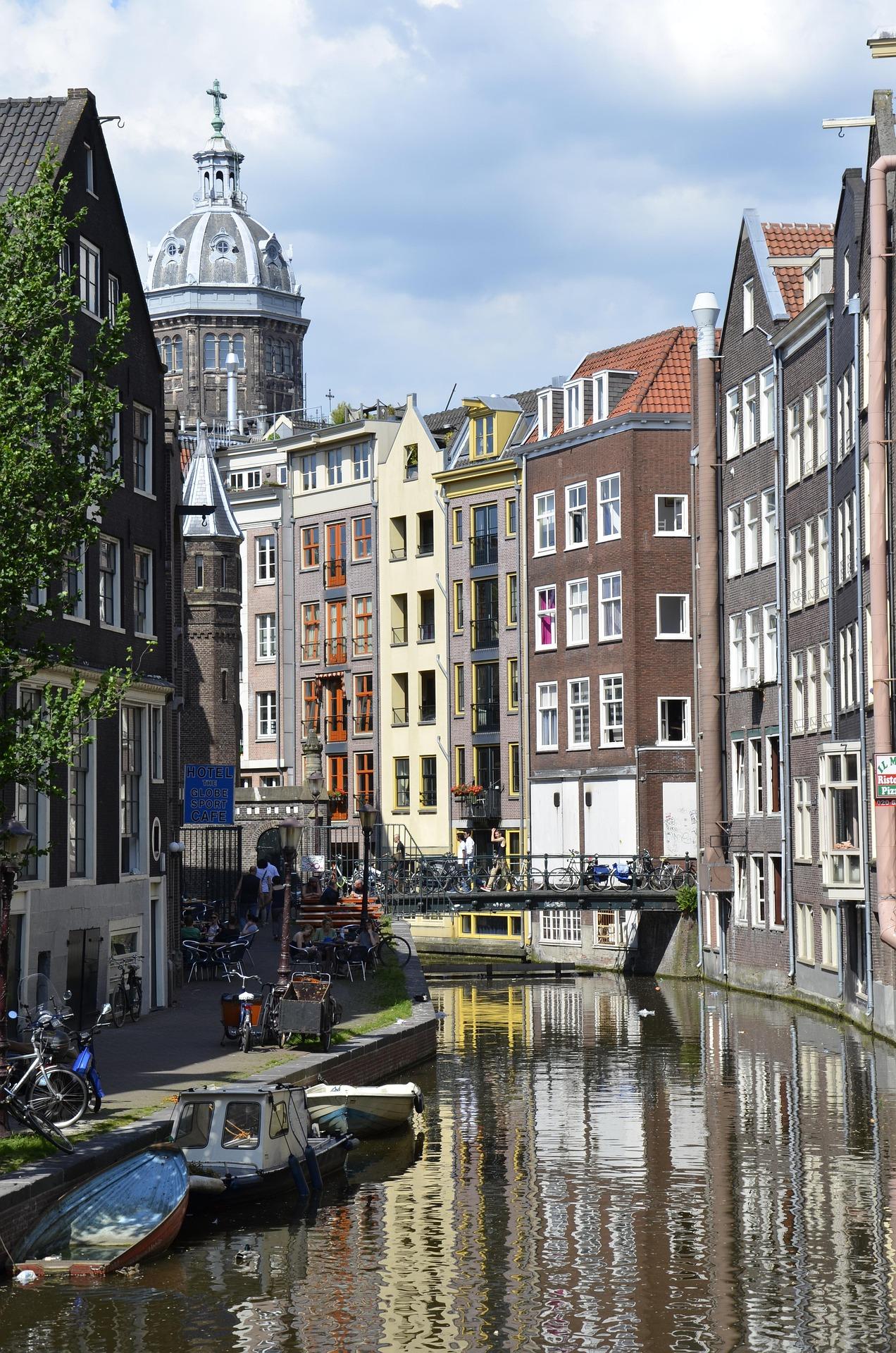
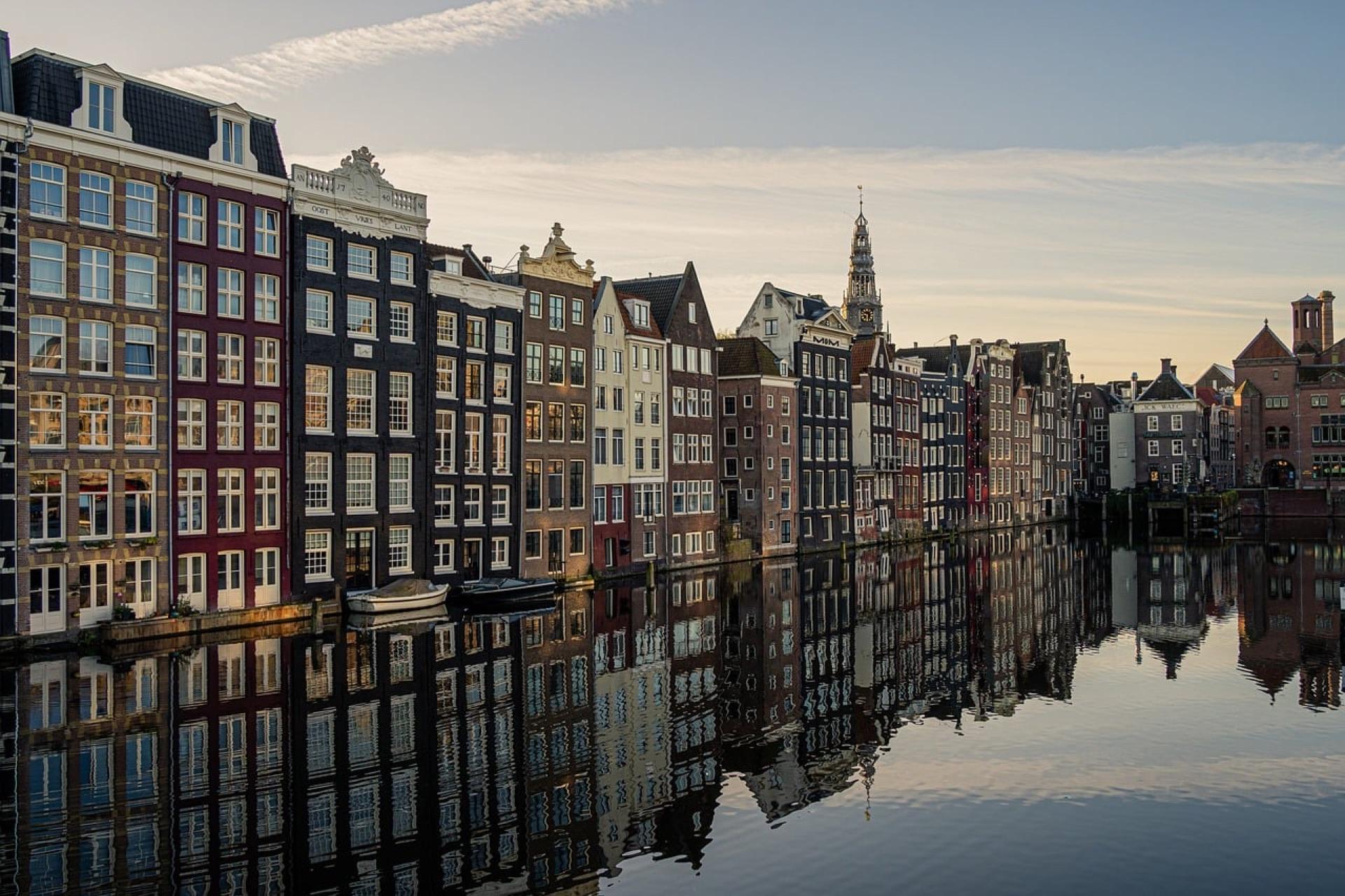
Amsterdam has kept the canal pattern drawn in the 17th century; this semi-circular belt, called the Grachtengordel, has been UNESCO-listed since 2010. The Rijksmuseum gathers the masterworks of the Golden Age — Rembrandt's Night Watch, Vermeer's Milkmaid, Frans Hals' portraits — inside a neo-Gothic building reopened in 2013 after a long restoration. The Van Gogh Museum holds the largest collection in the world devoted to the painter, with more than 200 paintings and 400 drawings. The Anne Frank House, discreet behind an ordinary façade on the Prinsengracht, makes physical the experience recorded in the Diary. The Jordaan, now known for its galleries and brown cafés, was in the 17th century a working-class artisan district; the 9 Straatjes perpetuate a tradition of independent shops along nine narrow streets. Walking along the canals remains the most direct way to grasp the centuries-old bond between the city and the water.

RijksmuseumVan Gogh MuseumAnne Frank HouseJordaan9 Straatjes
The Hague

The Hague

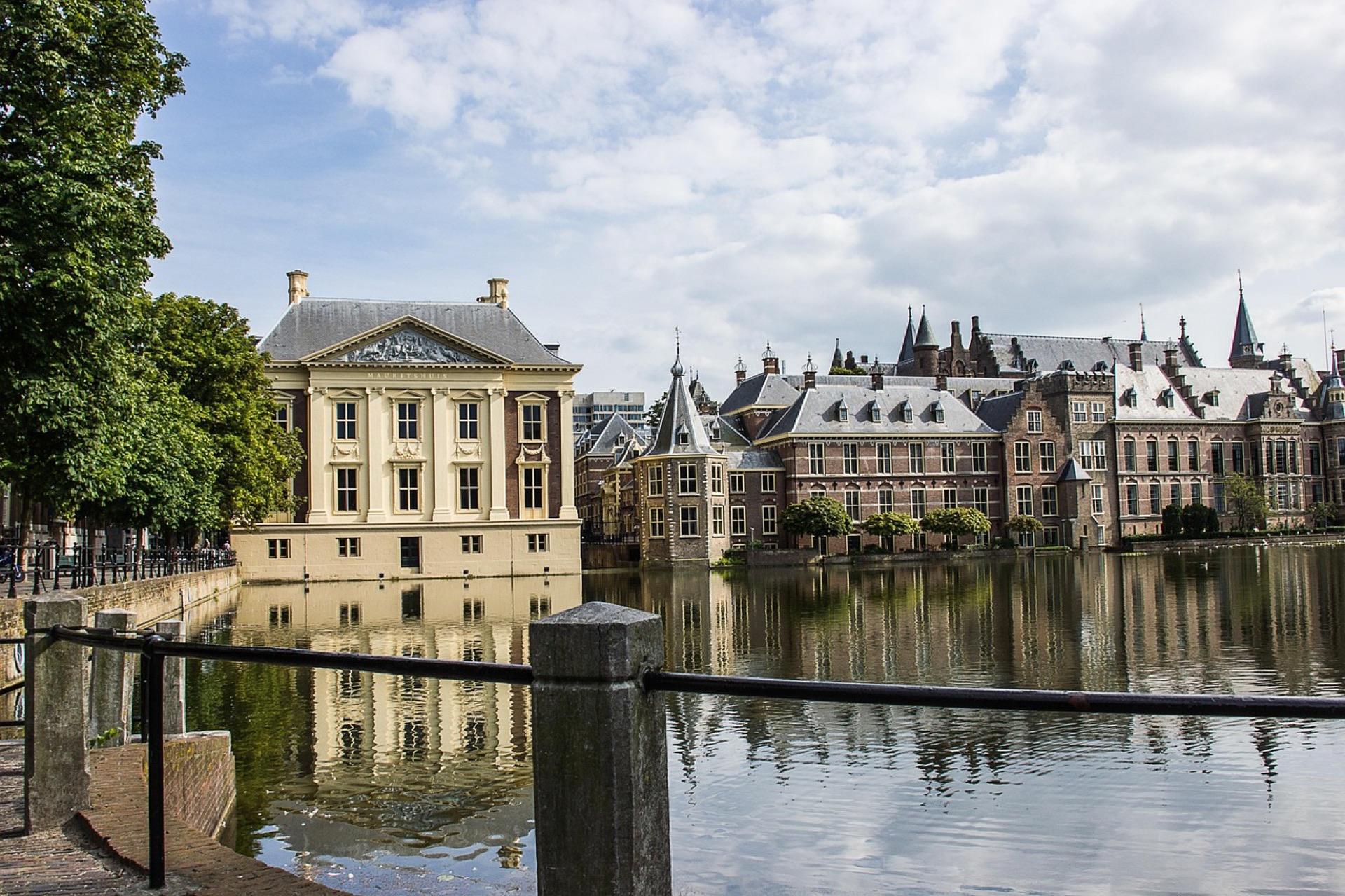
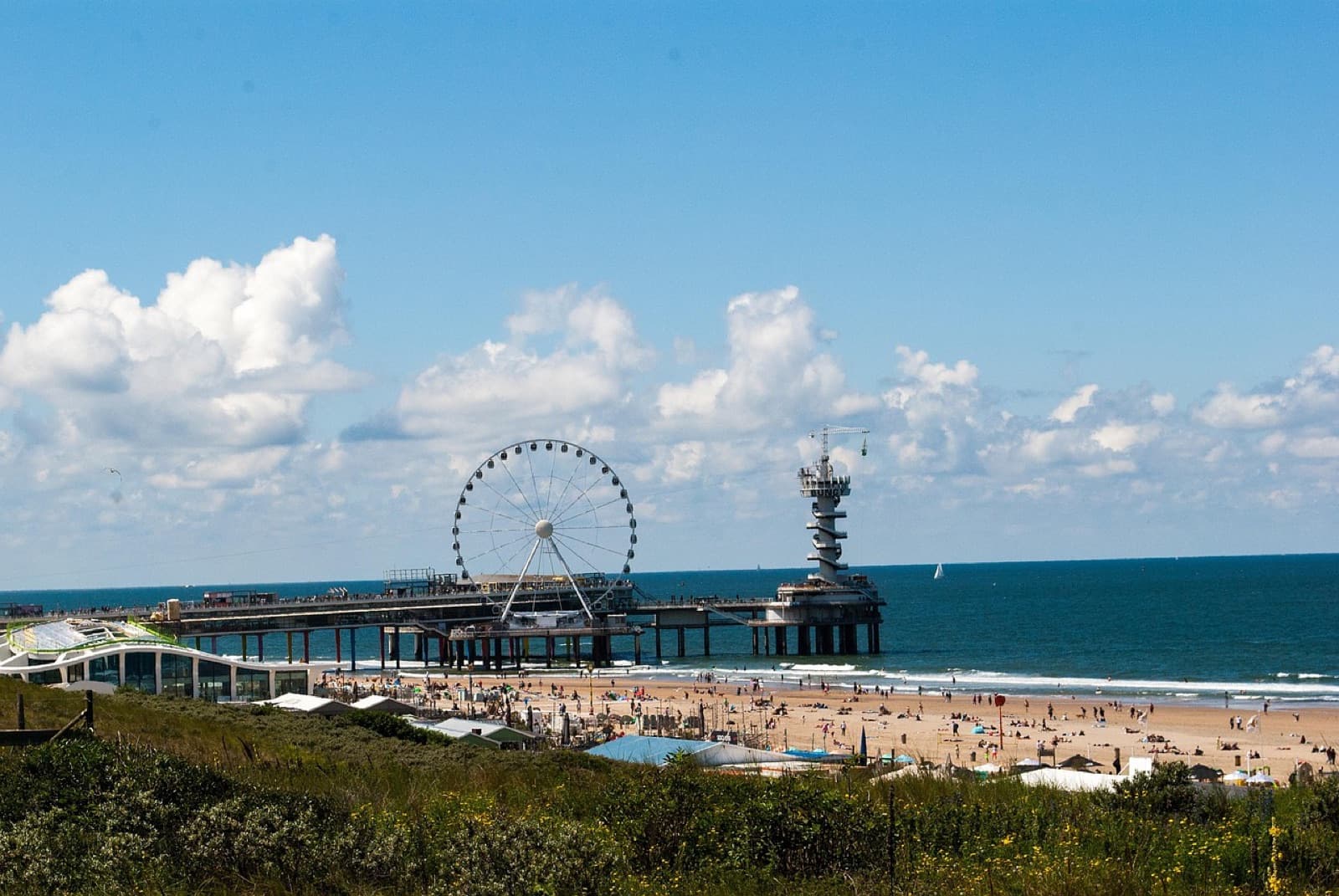
The Hague is not the capital of the Netherlands, but it is here that the government, the parliament and the king's official residence are housed; the International Court of Justice also sits here at the Peace Palace, inaugurated in 1913 thanks to Andrew Carnegie's donation. The Binnenhof, built as a hunting lodge of the Counts of Holland in the 13th century, is now the seat of parliament and is mirrored in the Hofvijver pond. The Mauritshuis, small in scale but dense in content, concentrates within a few rooms Vermeer's Girl with a Pearl Earring and Rembrandt's Anatomy Lesson of Dr Tulp. Scheveningen extends the city towards the sea with its Kurhaus, built in 1818 and a witness to 19th-century European seaside tourism. Panorama Mesdag, a circular painting 120 metres long completed in 1881 by Hendrik Mesdag, reconstructs the beach of Scheveningen in a building designed expressly for the illusion.

MauritshuisBinnenhofScheveningenPanorama MesdagPeace Palace
Rotterdam

Rotterdam

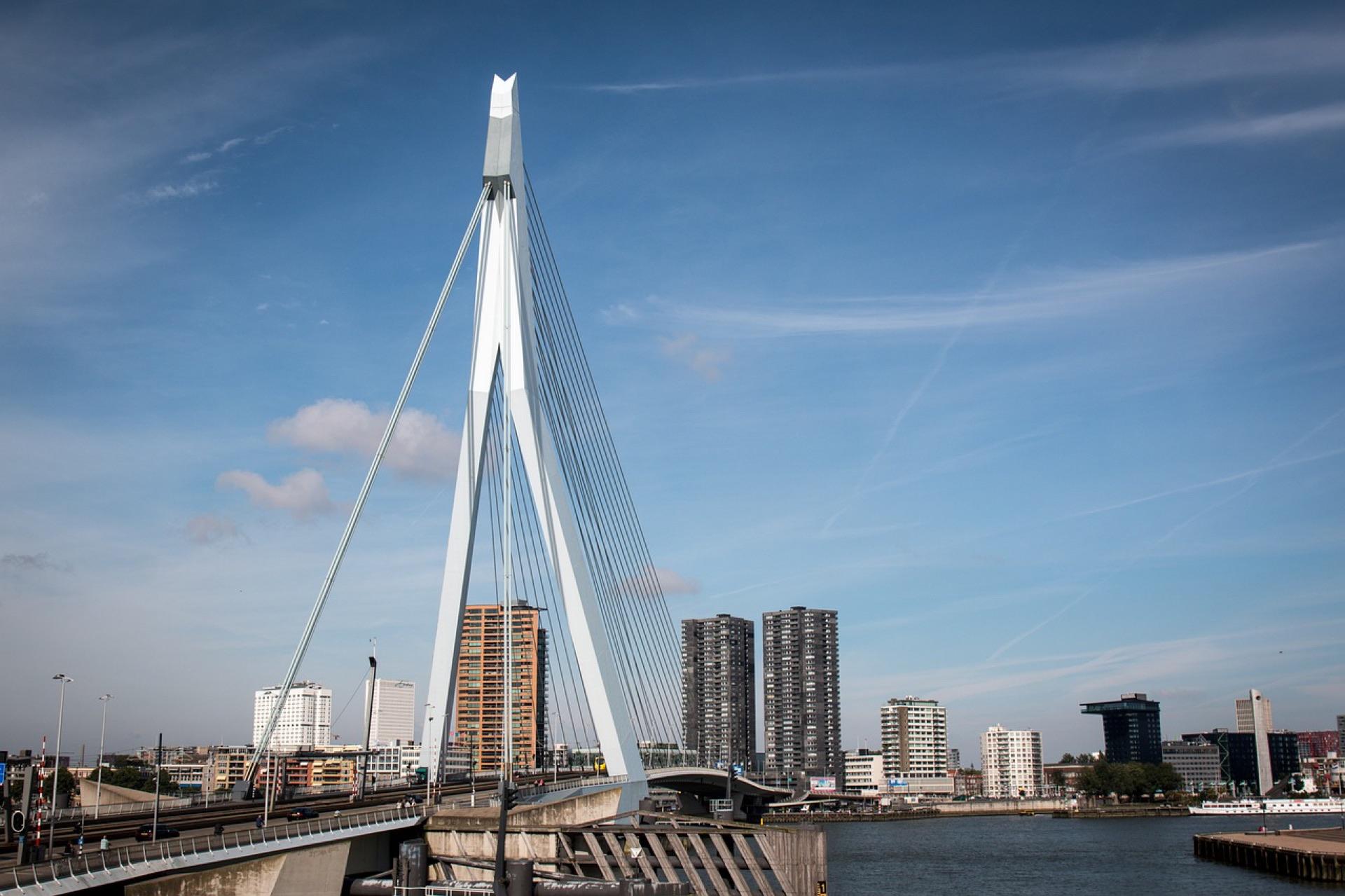
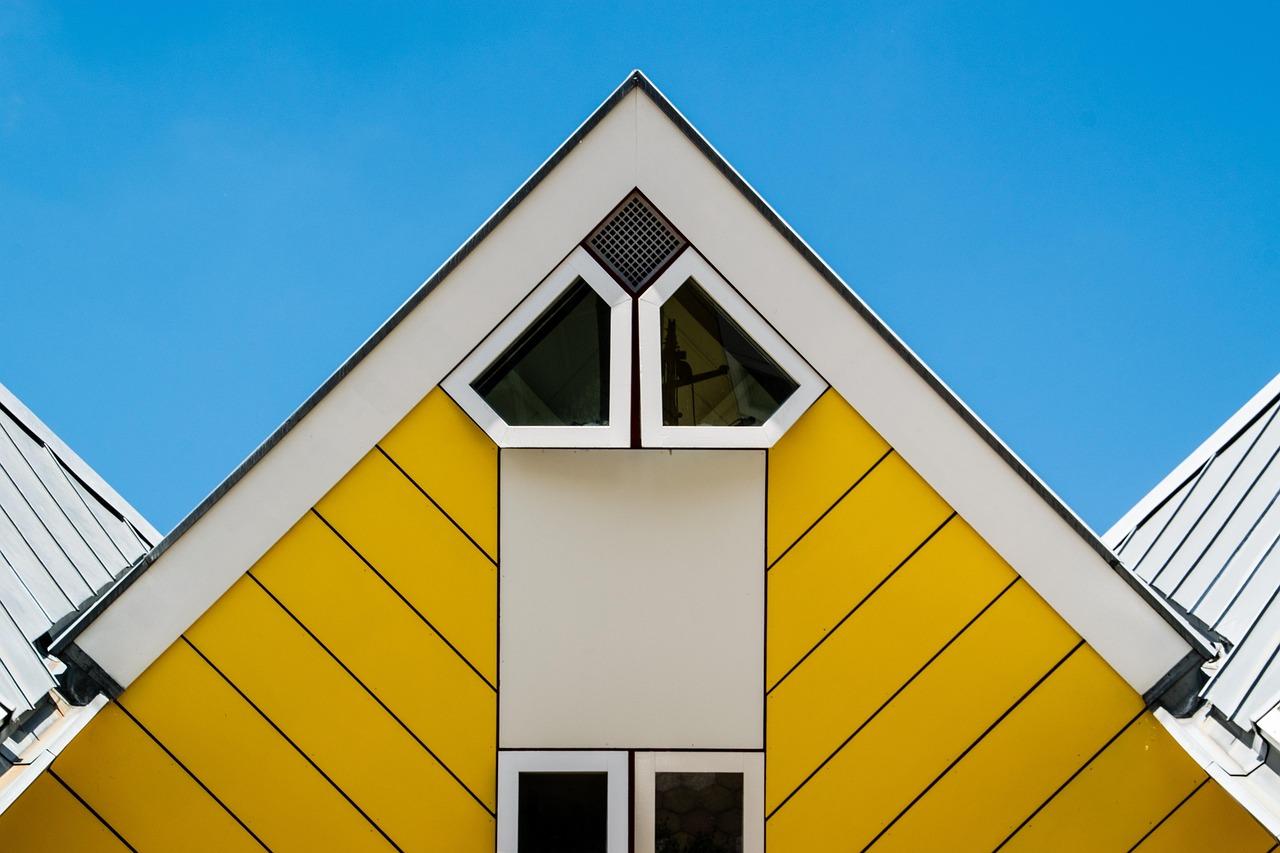
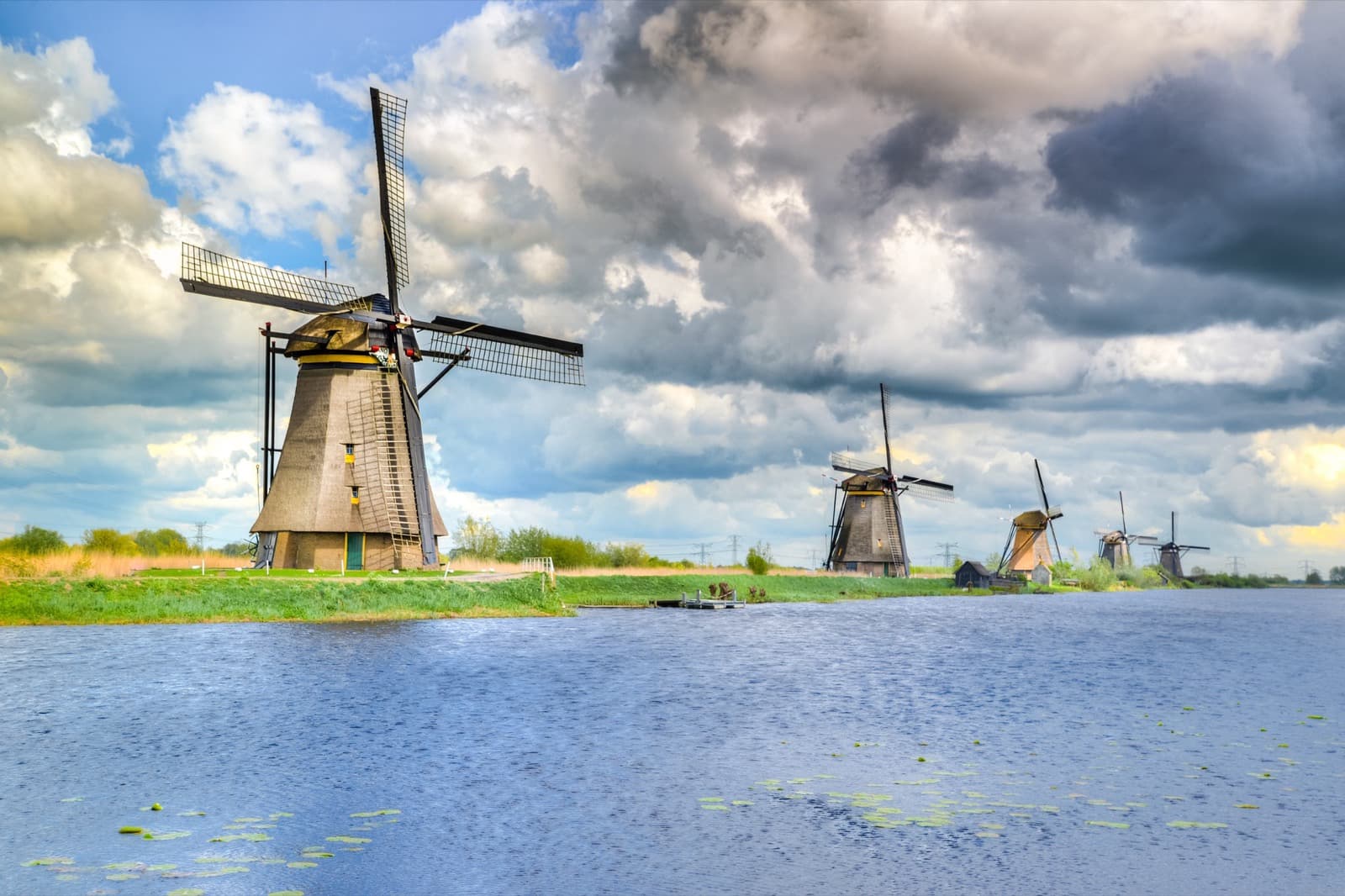
Rotterdam was almost entirely destroyed by the German bombing of 14 May 1940; rather than restoring its old fabric, the city chose to open its space to contemporary architecture, which makes it today the most visible European laboratory of modern construction. The Cube Houses, completed in 1984 by Piet Blom, line up 38 dwellings tilted at 45 degrees. The Markthal, opened in 2014, is a covered market whose 11,000-square-metre inner vault is covered by a digital fresco by Arno Coenen titled Horn of Plenty. The Erasmus Bridge, nicknamed the Swan for its sleek silhouette, has linked the two banks of the Meuse since 1996. The city is also the largest port in Europe and carries that industrial identity into its urbanism itself. Fifteen kilometres north, the nineteen windmills of Kinderdijk, built in the 18th century to drain the polders, have been UNESCO-listed since 1997.

Cube HousesMarkthalErasmus BridgeKinderdijkEuromast
Delft

Delft

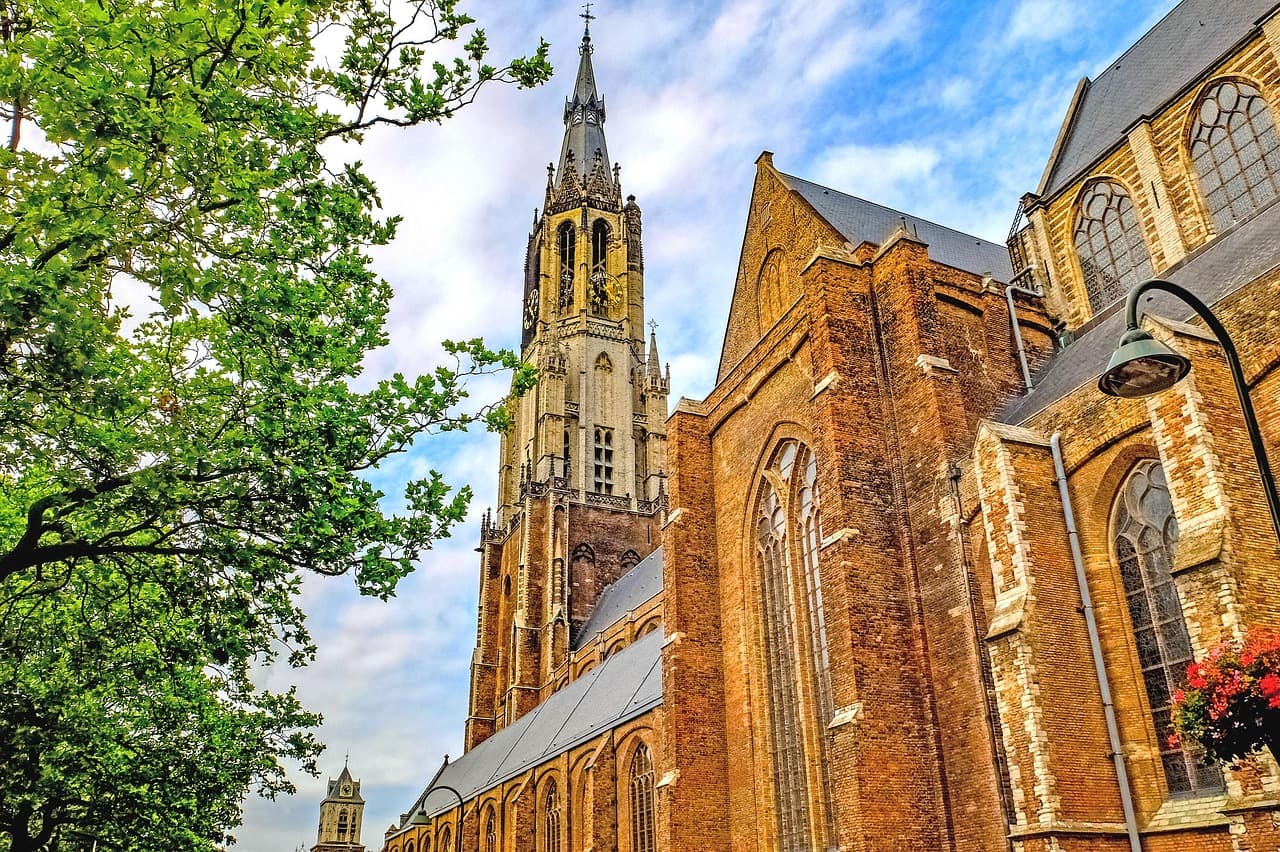
Delft, a small city between Amsterdam and The Hague, preserves a particularly dense fragment of the Dutch Golden Age. Johannes Vermeer was born here in 1632, lived here all his life and painted almost his entire body of work in the same few streets; his View of Delft, now at the Mauritshuis, still faithfully depicts the silhouette the city has kept. The blue-and-white ware known as Delftware, which appeared in the 17th century, was the local response to the Chinese porcelain that the East India Company was then importing in bulk; Royal Delft has carried on the technique since 1653. The Nieuwe Kerk, whose spire reaches 108 metres — the second-tallest tower in the Netherlands — holds the royal crypt of the House of Orange-Nassau.

DelftwareVermeerNieuwe KerkCanals
Villages and countryside

Villages and countryside

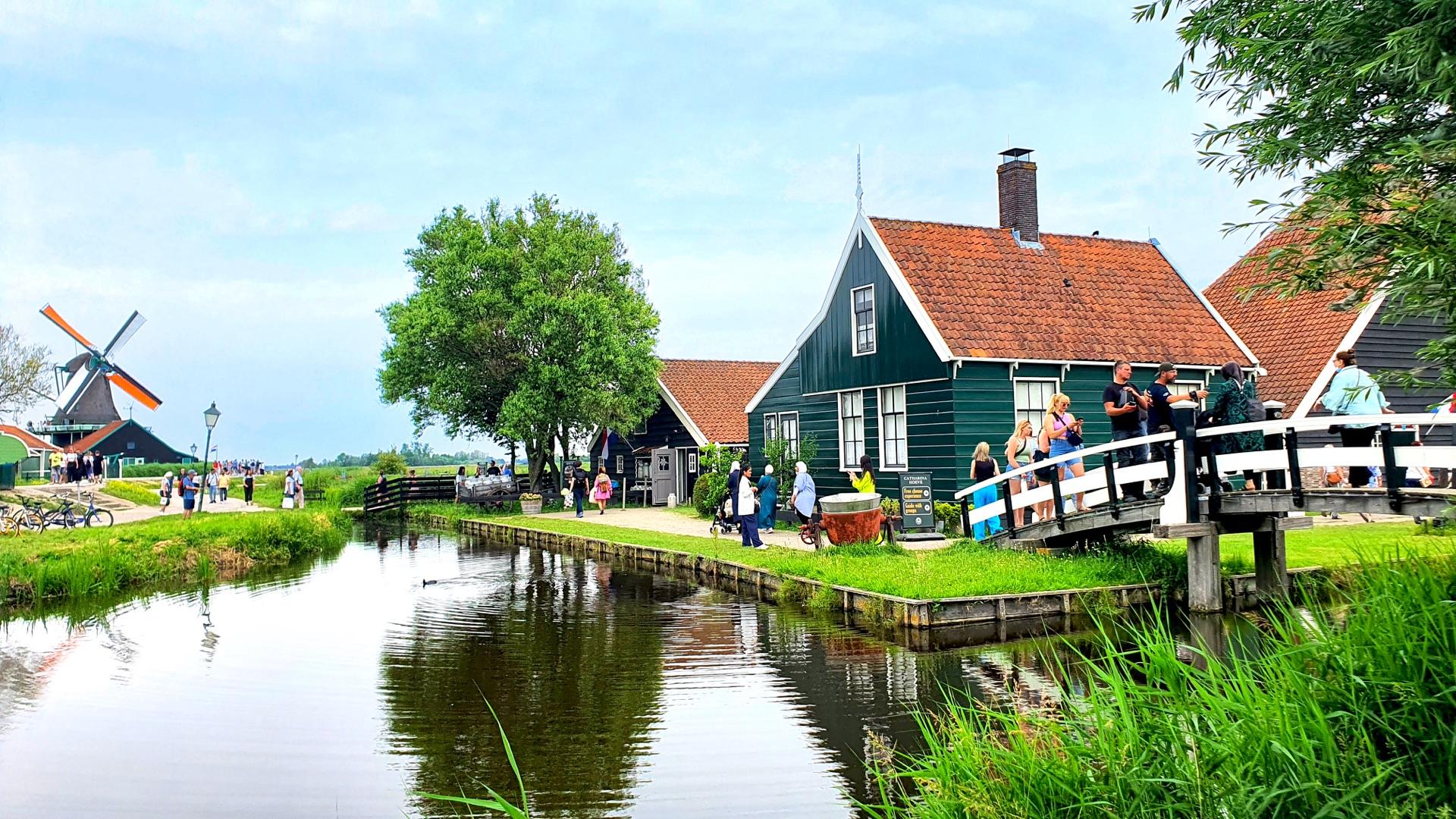
The Dutch countryside is not a backdrop behind the cities: it sits as familiar to the national imagination as the metropolises themselves, and carries a real share of the country's identity. Volendam, a Zuiderzee fishing port since the 16th century, has kept its coloured wooden houses and traditional dress not as ornamental folklore but as a living local culture. Marken, once an island, was linked to the mainland in 1957 by a causeway; the village offers one of the simplest examples of Zuiderzee fishing architecture. Zaanse Schans is an open-air industrial museum where 18th-century windmills still grind flour, press oil and mill paint. The centre of Giethoorn is closed to cars; people travel along the canals and across more than 180 wooden bridges. Keukenhof, near Lisse, opens only from April to May and displays seven million tulip bulbs, making it the most visited seasonal site in the Netherlands.

VolendamMarkenZaanse SchansGiethoornKeukenhof
Utrecht

Utrecht

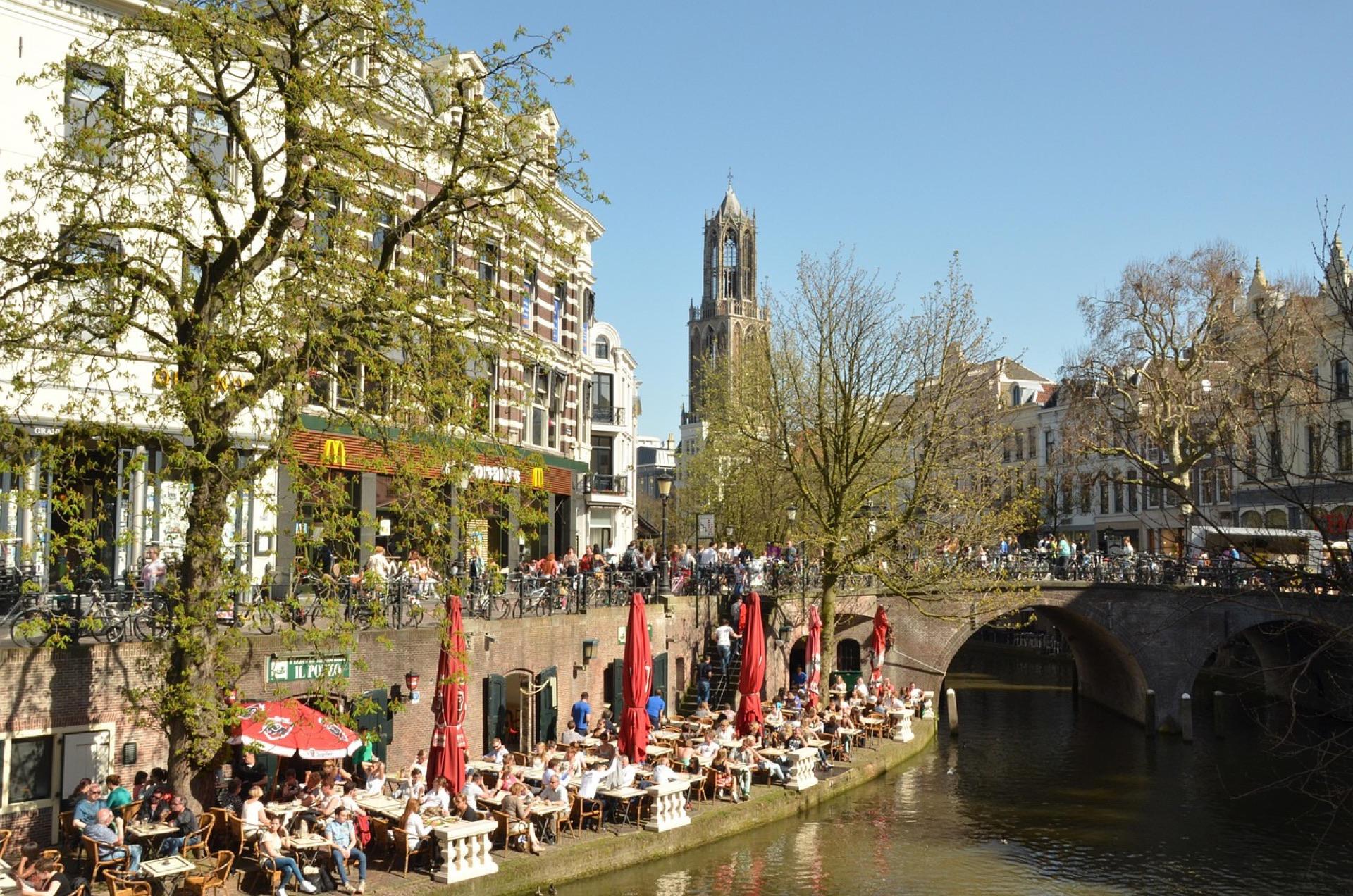
Utrecht sits at the geographical centre of the Netherlands and ranks among the country's oldest cities, inhabited since Roman times. The Domtoren, finished in 1382, rises 112.5 metres and remains the tallest church tower in the country — the original cathedral was destroyed by a hurricane in 1674, but the tower alone stayed standing. The Oudegracht, the central canal, has a system unique in the world: two-level wharfs with water-level cellars, dug out in the 12th century for trade and now home to restaurants and cafés. The university, founded in 1636, is the country's second oldest; Christiaan Eijkman, Pieter Zeeman and several other Nobel laureates worked here. The Rietveld Schröder House, designed by Gerrit Rietveld in 1924, is the only fully built manifestation of the De Stijl movement — UNESCO-listed. The Treaty of Utrecht ended the War of the Spanish Succession in 1713. Amsterdam is thirty minutes by train, yet Utrecht keeps its quieter tempo.

DomtorenOudegrachtRietveld SchröderCentraal MuseumUniversity
Submit a request