Paris et environs
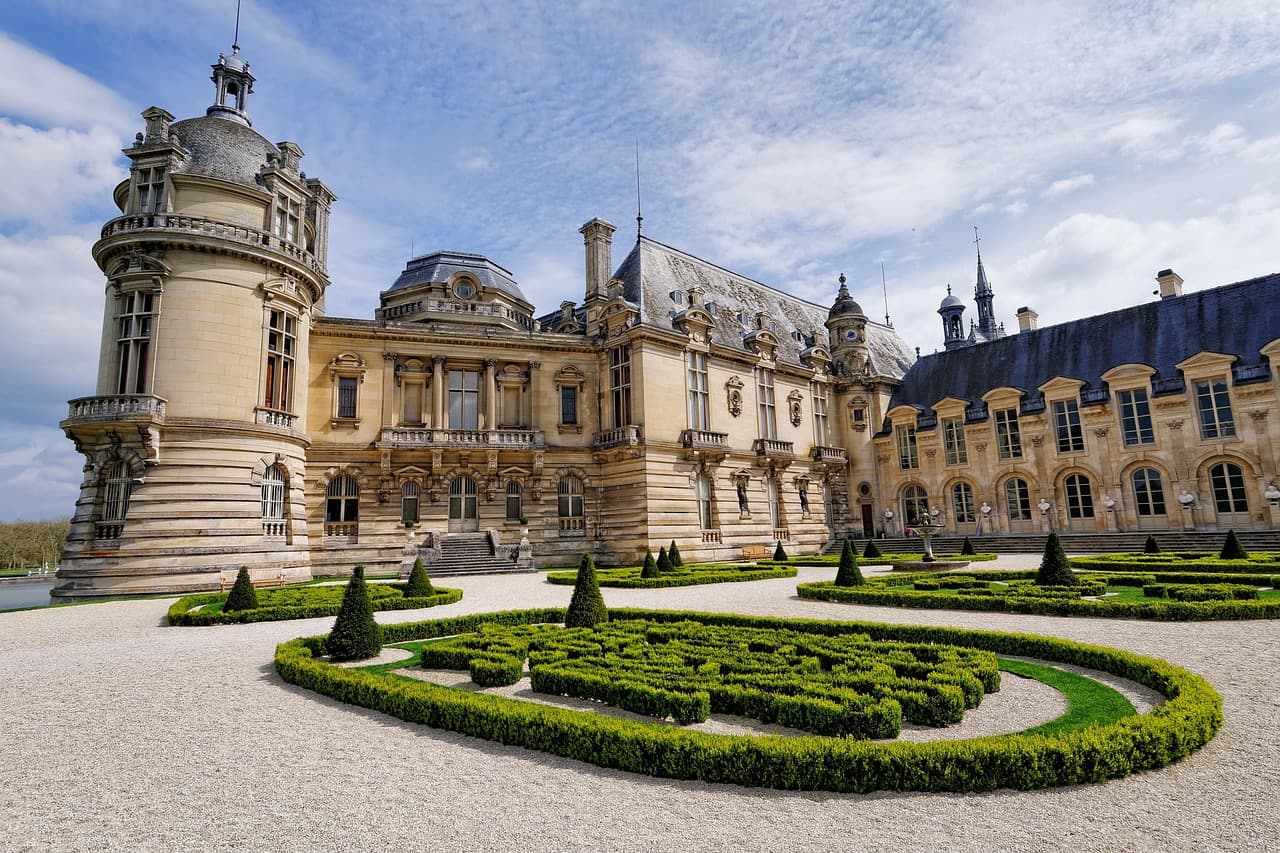
À quelques dizaines de kilomètres de la capitale, la France royale et la France impressionniste cohabitent dans un rayon restreint qui condense plusieurs siècles d'histoire et d'art. Versailles, construit à partir de 1661 sous Louis XIV, a été conçu comme le siège du pouvoir absolu ; ses 800 hectares de jardins dessinés par André Le Nôtre et la galerie des Glaces restent les éléments les plus étudiés de l'architecture classique française. Fontainebleau, résidence royale depuis le XIIᵉ siècle, a accueilli François Iᵉʳ, Henri IV et Napoléon Iᵉʳ ; sa galerie François Iᵉʳ est considérée comme le manifeste de la Renaissance française. Giverny abrite la maison et le jardin d'eau de Claude Monet, où furent peintes les séries des Nymphéas exposées aujourd'hui à l'Orangerie. Provins conserve un tissu médiéval exceptionnellement préservé, inscrit à l'UNESCO, témoignant des grandes foires de Champagne du XIIIᵉ siècle. Vaux-le-Vicomte, achevé en 1661 par Nicolas Fouquet, est le prototype du grand jardin classique dont Versailles s'inspirera ; Chantilly combine un domaine hippique séculaire avec une collection de peintures comparable, par sa densité, au Louvre.