
Paris
France
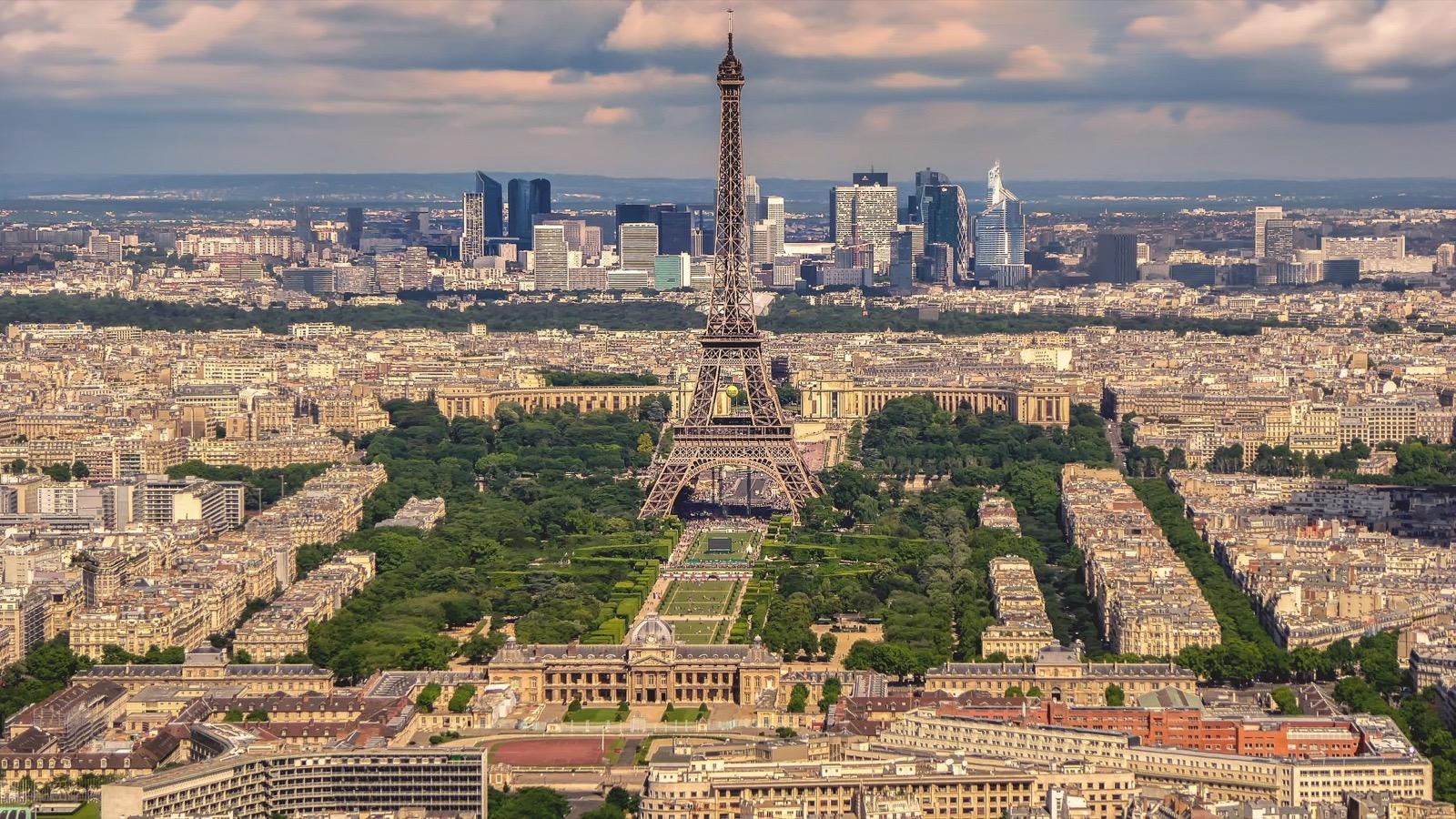
Paris… Ville Lumière, ville des amoureux, capitale de la mode… Les noms qu'on lui prête sont innombrables. Aucun ne suffit à lui seul, car Paris est une ville trop riche, trop stratifiée et trop vivante pour tenir dans un seul qualificatif. Comme le chantait Jacques Brel, « Paris qui bat la mesure »… C'est peut-être vrai : Paris donne le tempo. Et ce rythme offre à chaque visiteur un Paris qui lui est propre.
Histoire et architecture
Comprendre Paris, c'est le lire comme un musée à ciel ouvert. La ville porte les traces de chaque siècle, de l'Antiquité romaine à nos jours. L'architecture gothique est née ici, les pierres médiévales côtoient le faste royal et les gestes audacieux de l'époque moderne se greffent sur les mêmes rues.
Au XIXe siècle, la grande transformation du baron Haussmann a dessiné la silhouette actuelle de Paris : larges boulevards, façades symétriques et balcons élégants. Cet ordre a donné à la ville non seulement une esthétique, mais une structure qui respire, devenue depuis un modèle d'urbanisme dans le monde entier.
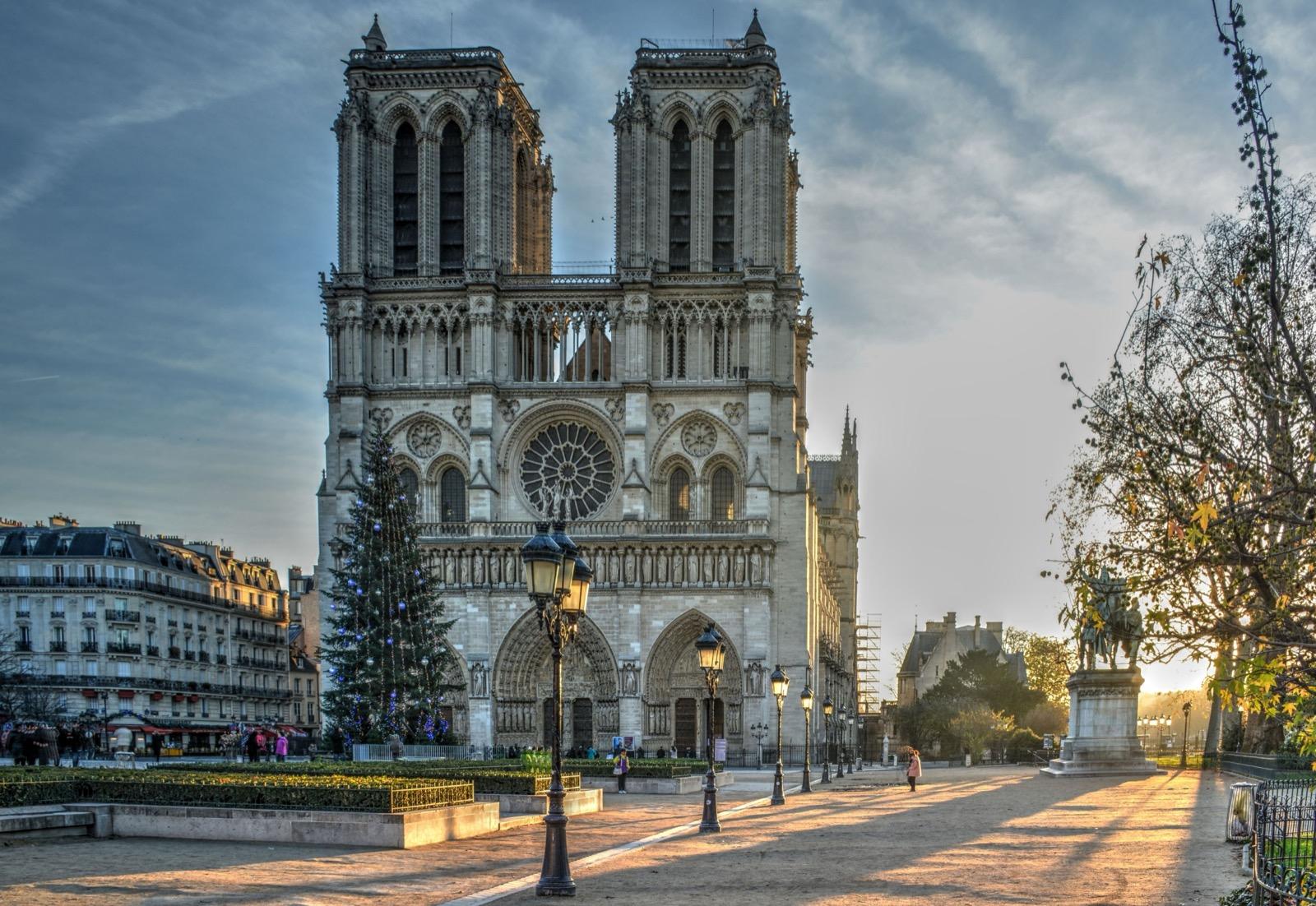
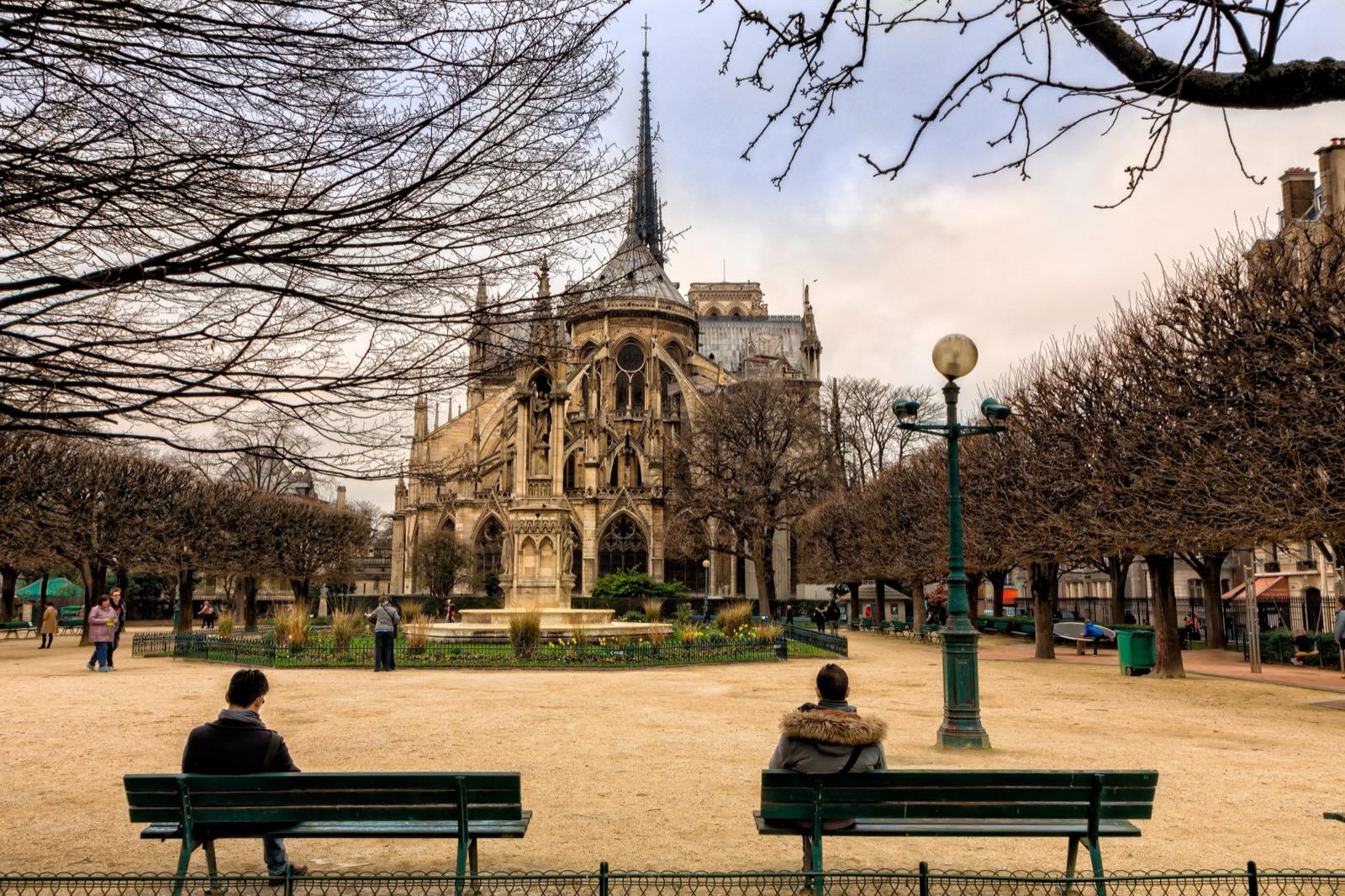
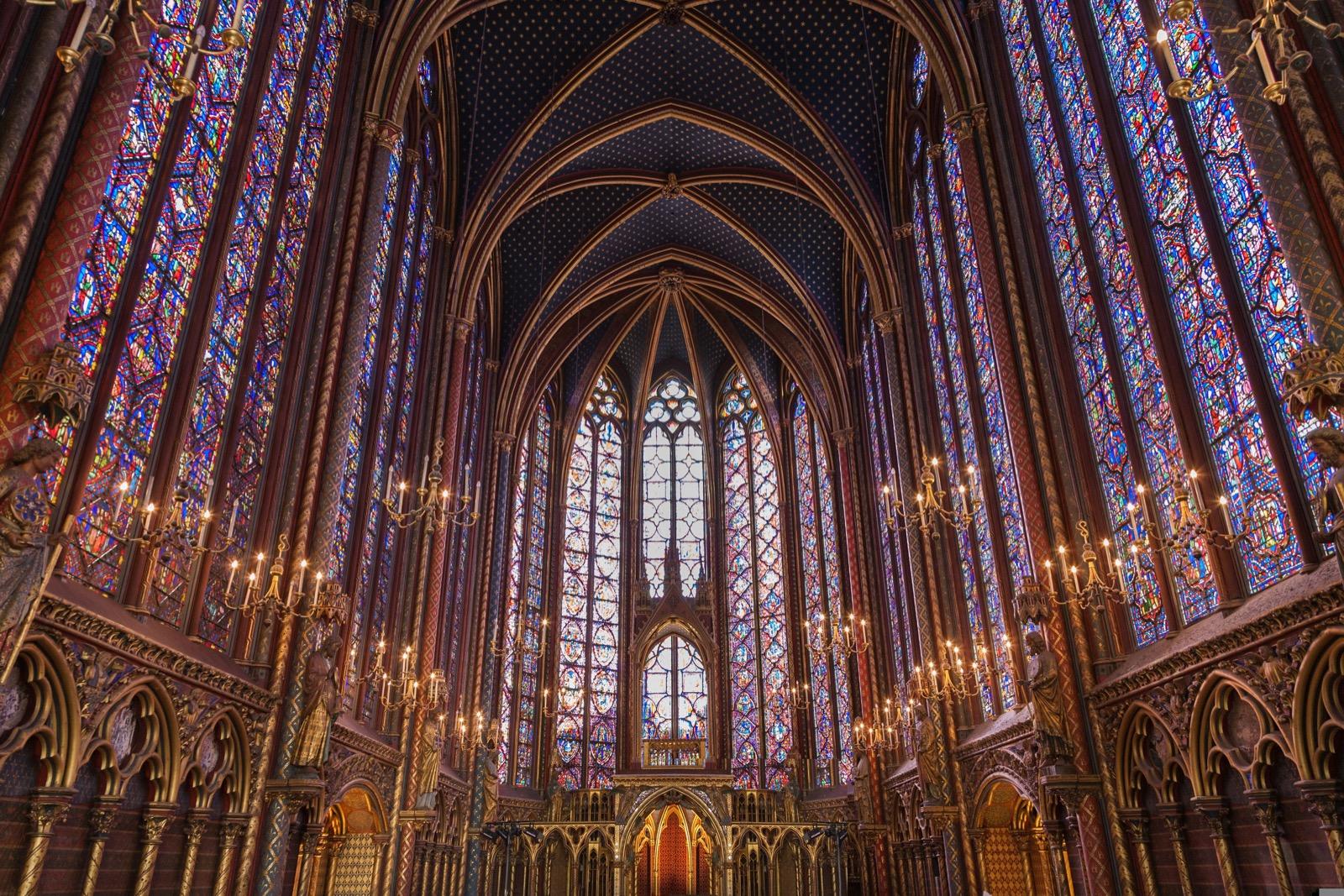
Notre-Dame, rouverte après sa restauration, incarne l'esprit d'une ville qui se réinvente sans cesse, tandis que les vitraux de la Sainte-Chapelle racontent le Moyen Âge en lumière. L'histoire de Paris ne se lit pas selon un seul axe ; architecture, art, science, gastronomie, chaque prisme révèle une profondeur différente et tous s'entremêlent.
Art et musées
À Paris, l'art n'est pas un simple objet d'exposition ; c'est la mémoire de la ville. L'impressionnisme est né ici, le cubisme a pris forme dans ces rues, l'Art nouveau s'est inscrit sur ces façades. La ville n'a jamais cessé d'être le berceau de nouveaux courants artistiques.
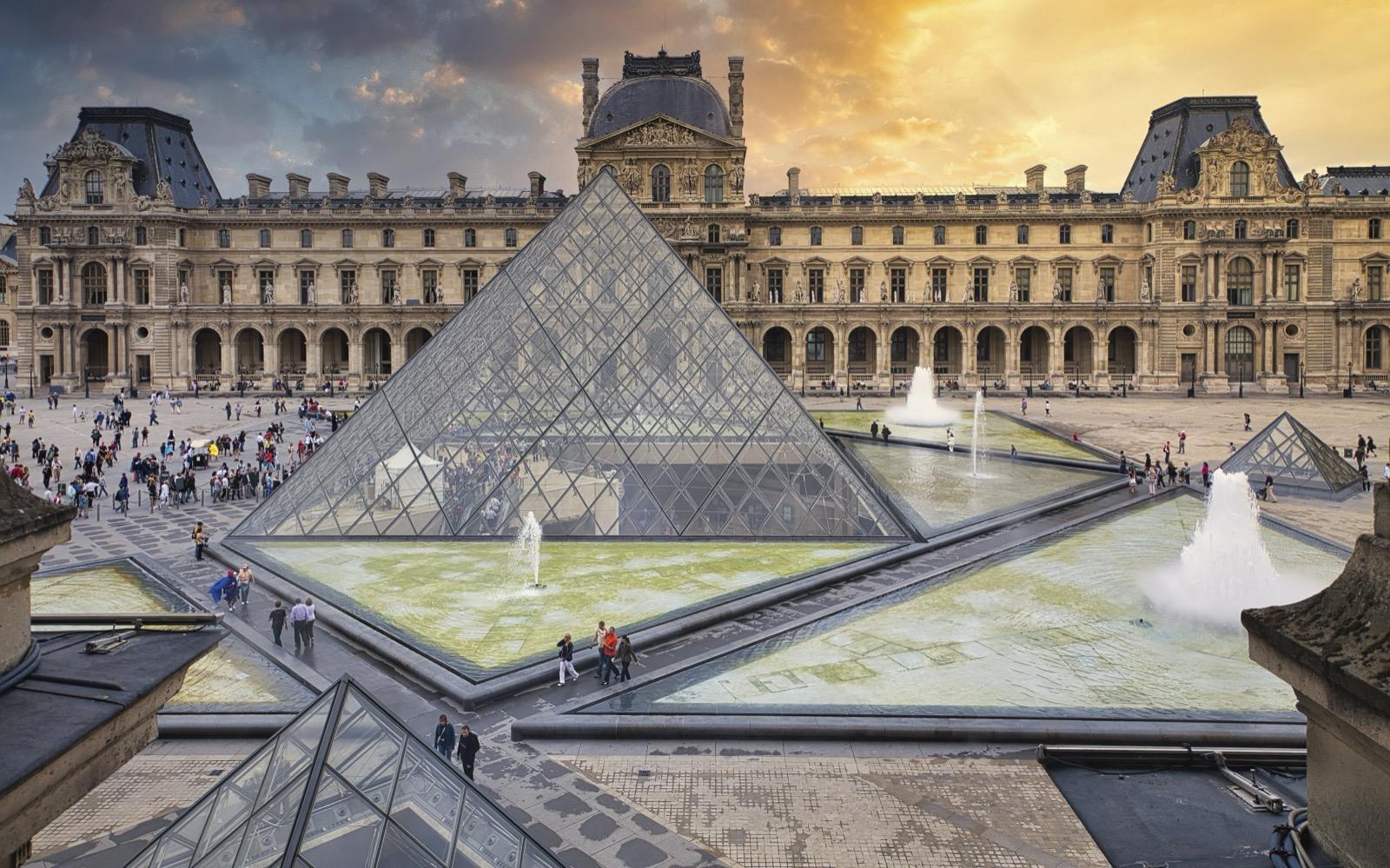
Le Louvre offre un voyage à travers les âges avec sa collection monumentale. Le musée d'Orsay abrite, dans une ancienne gare, les chefs-d'œuvre de l'impressionnisme. Le Centre Pompidou repousse les limites de l'art moderne par son architecture autant que par ses collections.
Se retirer dans les salles ovales de l'Orangerie face aux Nymphéas de Monet ou flâner dans le jardin du musée Rodin, c'est accéder à un Paris plus intime et plus calme.
Quartiers et Seine
Connaître Paris, c'est ressentir ses quartiers, car chacun porte son propre rythme.
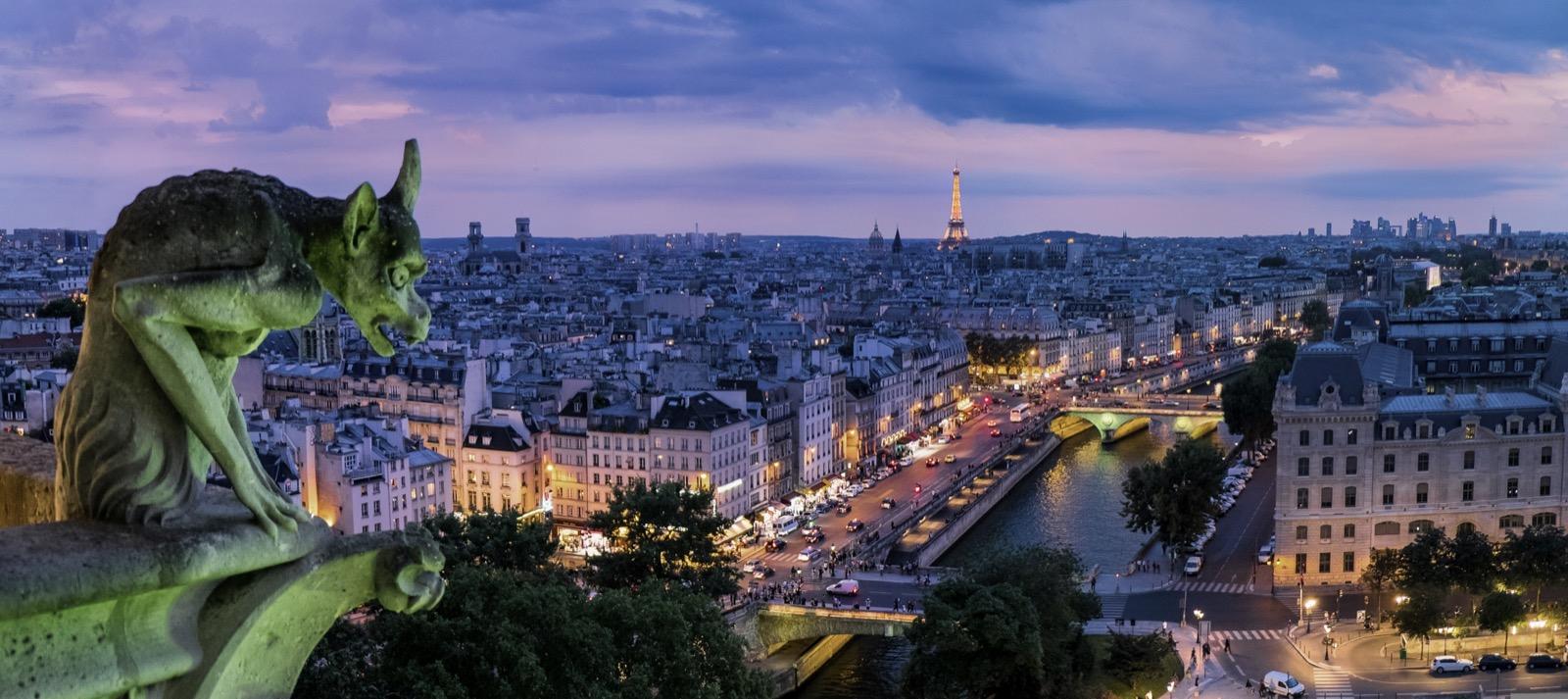
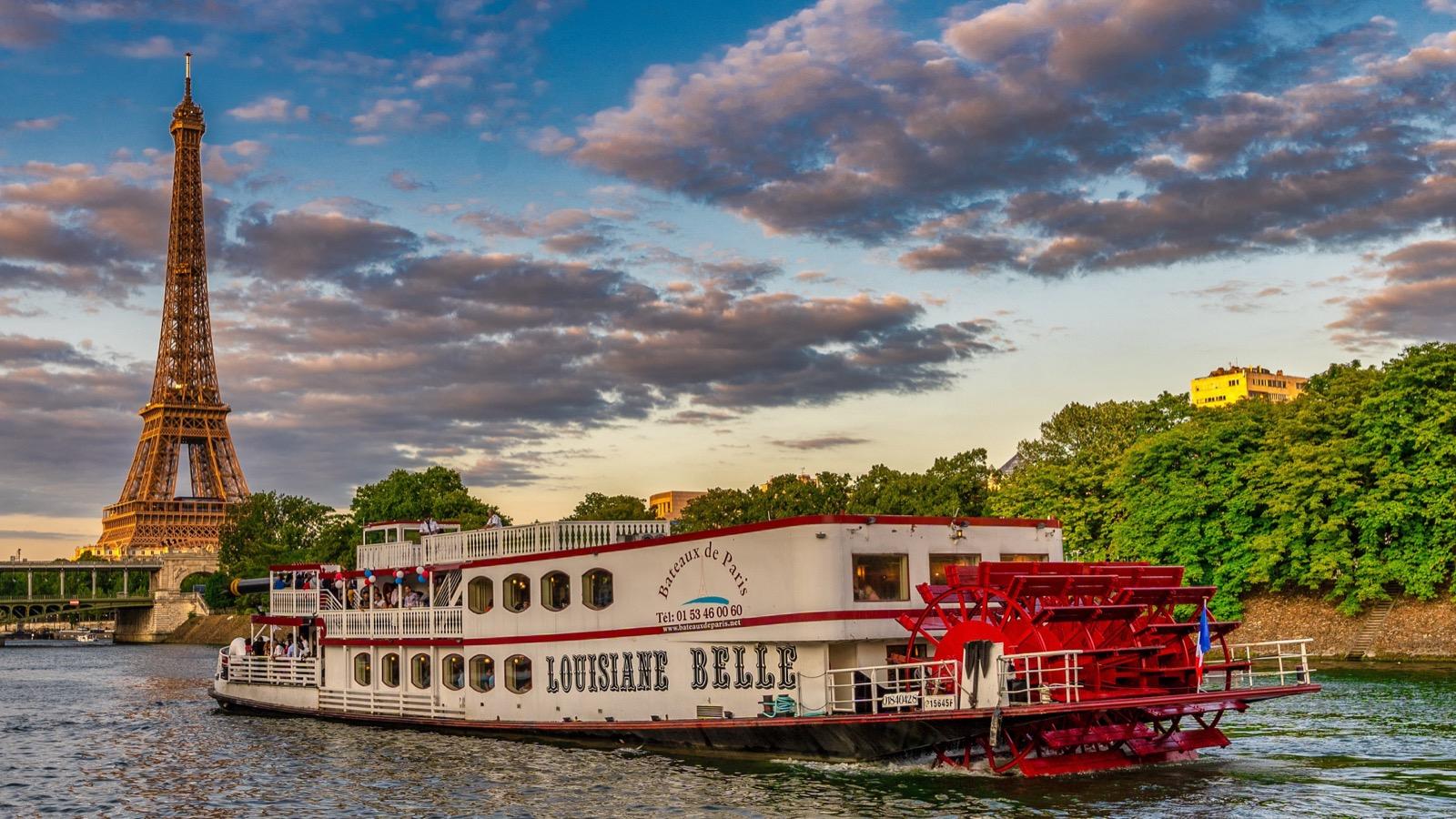
La Seine sépare la ville en deux tout en la réunissant. La Rive Droite, plus vive et plus imposante ; la Rive Gauche, plus intellectuelle et plus posée. Le long du fleuve, les chemins piétonniers, les étals des bouquinistes et les ponts forment la scène la plus naturelle de la vie parisienne.
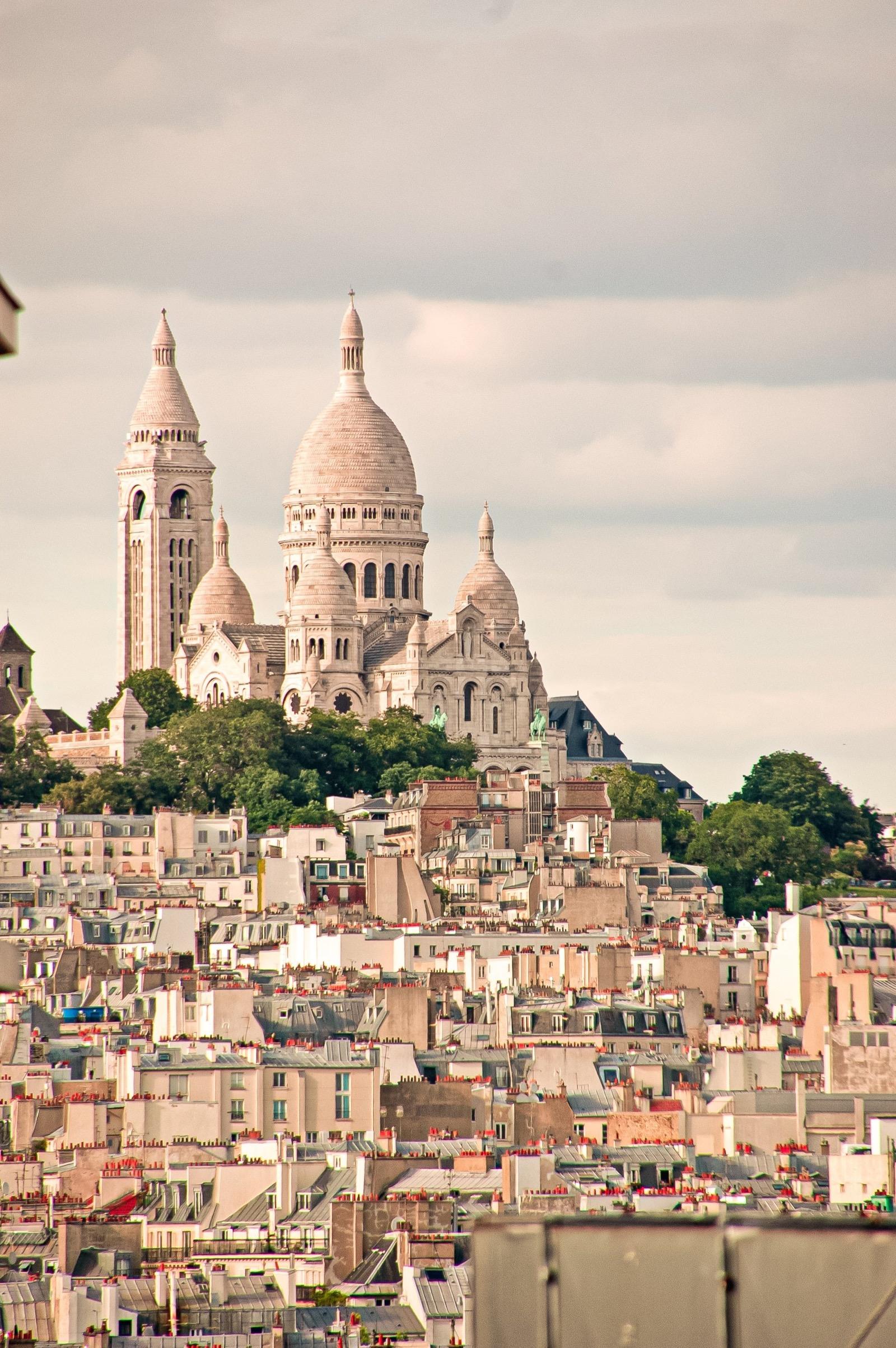
La ville se divise aussi selon un axe est-ouest. Les 7e, 8e et 16e arrondissements, à l'ouest, forment traditionnellement les quartiers aisés. L'est, avec Belleville, Ménilmontant et Oberkampf, a toujours été le territoire des classes populaires. Aujourd'hui, ce sont précisément ces quartiers qui concentrent la vie culturelle et artistique la plus vivante. Le Marais fait cohabiter histoire et modernité, Saint-Germain-des-Prés reste le cœur de la pensée, et Montmartre conserve son âme d'artiste.
Gastronomie
La gastronomie fait partie intégrante du quotidien parisien. Dans la ville qui a inventé le restaurant moderne, manger n'est pas un simple besoin ; c'est un rituel. Le mot « bistrot » lui-même est né à Paris ; d'origine russe, ce concept de petit restaurant convivial s'est exporté dans le monde entier.
Un croissant frais au petit-déjeuner, des fromages dénichés sur un marché de quartier ou les saveurs classiques d'un dîner élégant… Chacun reflète le goût raffiné de la ville.
La plupart des grands classiques de la cuisine française sont nés ou ont mûri ici. Macarons, crème brûlée, éclairs, tarte tatin, mille-feuille : ces douceurs sont connues dans le monde entier, mais c'est dans les pâtisseries parisiennes qu'elles gardent leur forme la plus authentique. Côté salé, le coq au vin, le bœuf bourguignon, la soupe à l'oignon, la ratatouille et le confit de canard forment le socle de la gastronomie française. Les sauces béarnaise, hollandaise ou beurre blanc illustrent à elles seules la finesse de la technique française.
Bistrots, brasseries et restaurants gastronomiques composent une palette assez large pour tous les budgets et toutes les envies. Cette diversité est le reflet d'une richesse culturelle qui se prolonge jusque dans l'assiette.
Sciences, inventions et Paris souterrain
On associe souvent Paris à l'art et au romantisme, mais la ville occupe aussi une place majeure dans l'histoire des sciences. Des institutions centenaires comme la Sorbonne façonnent le monde des idées depuis des siècles.
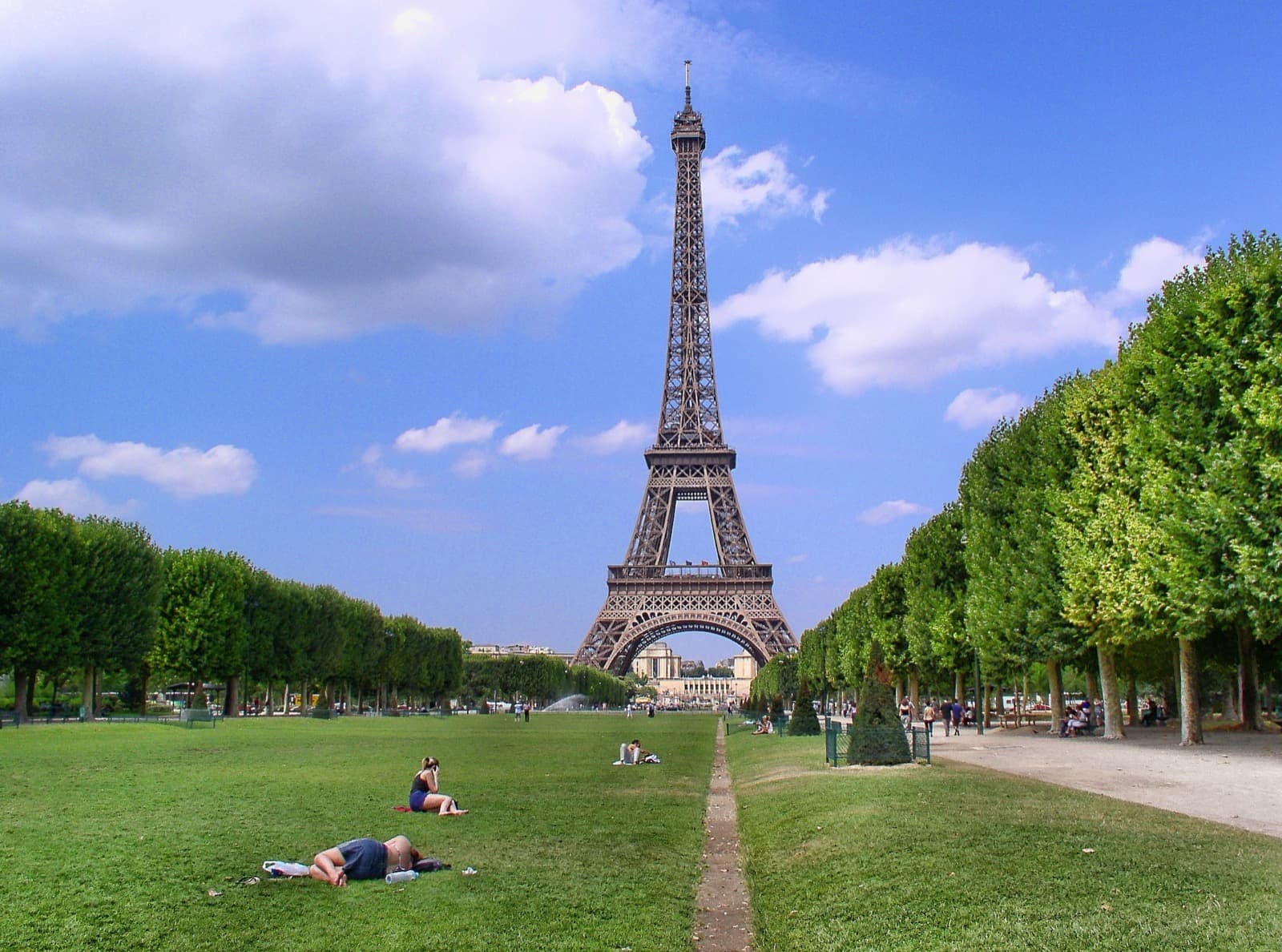
Paris a vu naître des inventions qui ont changé le cours de l'histoire. Les frères Montgolfier y ont fait voler le premier ballon à air chaud en 1783, les frères Lumière y ont organisé la première projection cinématographique en 1895 boulevard des Capucines, le système métrique y a été normalisé après la Révolution. La pasteurisation porte le nom de Louis Pasteur, l'eau de Javel celui du quartier de Javel. Les noms de savants gravés sur la tour Eiffel rappellent cet héritage.
Paris possède aussi un visage invisible. Galeries souterraines, anciennes carrières de pierre et structures mystérieuses gardent les histoires méconnues de la ville. Paris ne se limite pas à ce que l'on voit ; il reste une ville à explorer.
Infos pratiques
- Langue
- Français
- Monnaie
- Euro (€)
- Fuseau
- UTC+1 (CET)
- Aéroports
- CDG, Orly
Horaires d'ouverture
Musée du Louvre
Tour Eiffel
Notre-Dame de Paris
Entrée gratuite.
Musée d'Orsay
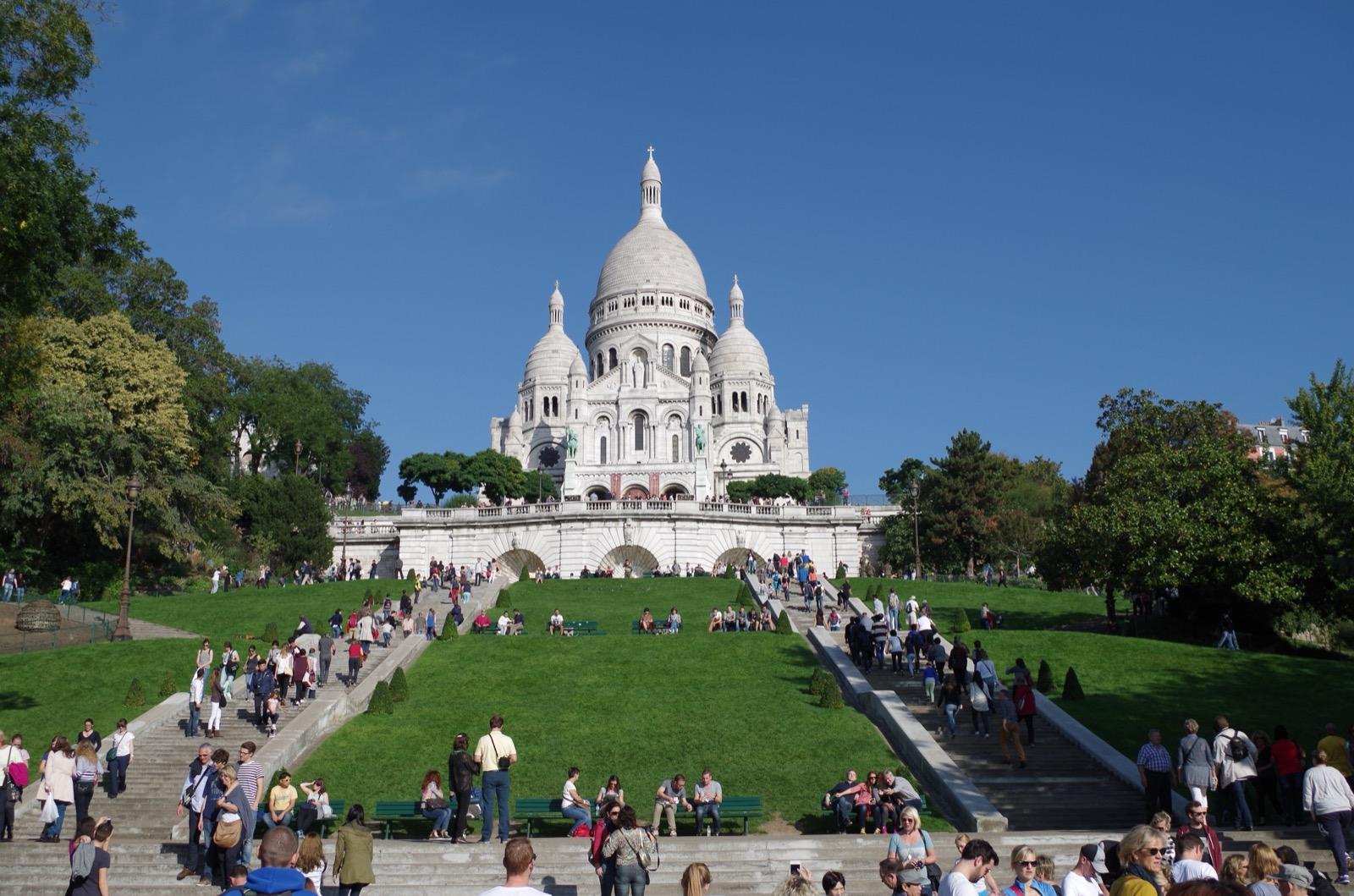
Sacré-Cœur
L'entrée est gratuite. Le dôme se visite de 9h à 17h (20h30 en été).
Bateaux Parisiens
Les départs ont lieu toutes les 30 à 60 minutes. Les groupes de 10 personnes ou plus bénéficient d'un tarif sur devis.
Disneyland Paris
Les tarifs varient selon le jour et la saison. Réserver à l'avance est avantageux.
Galeries Lafayette
Les résidents hors UE peuvent bénéficier de la détaxe à partir de 100 € d'achats.
La Vallée Village
Outlet de luxe situé à 40 minutes de Paris, accessible par navette depuis Châtelet.
Bon à savoir
La plupart des grands musées parisiens sont fermés le mardi, notamment le Louvre, le musée d'Orsay et l'Orangerie. Le Centre Pompidou et le musée Picasso ferment quant à eux le lundi.
Chaque arrondissement a sa propre personnalité et ses secrets. Le Marais, Saint-Germain et Montmartre sont parmi les quartiers les plus emblématiques à explorer.
Le Paris Museum Pass permet d'accéder à plus de 60 musées et monuments sans faire la queue. Il est disponible pour une durée de 2, 4 ou 6 jours.
Notre-Dame a rouvert ses portes en décembre 2024. L'entrée est gratuite, mais la réservation en ligne est obligatoire.
Un voyage en préparation ?
Quelques lignes sur votre projet et nous revenons vers vous avec une proposition adaptée.
Faire une demande