All destinations

Germany

Germany
Germany 2
Germany 3
Germany 4
Germany 5

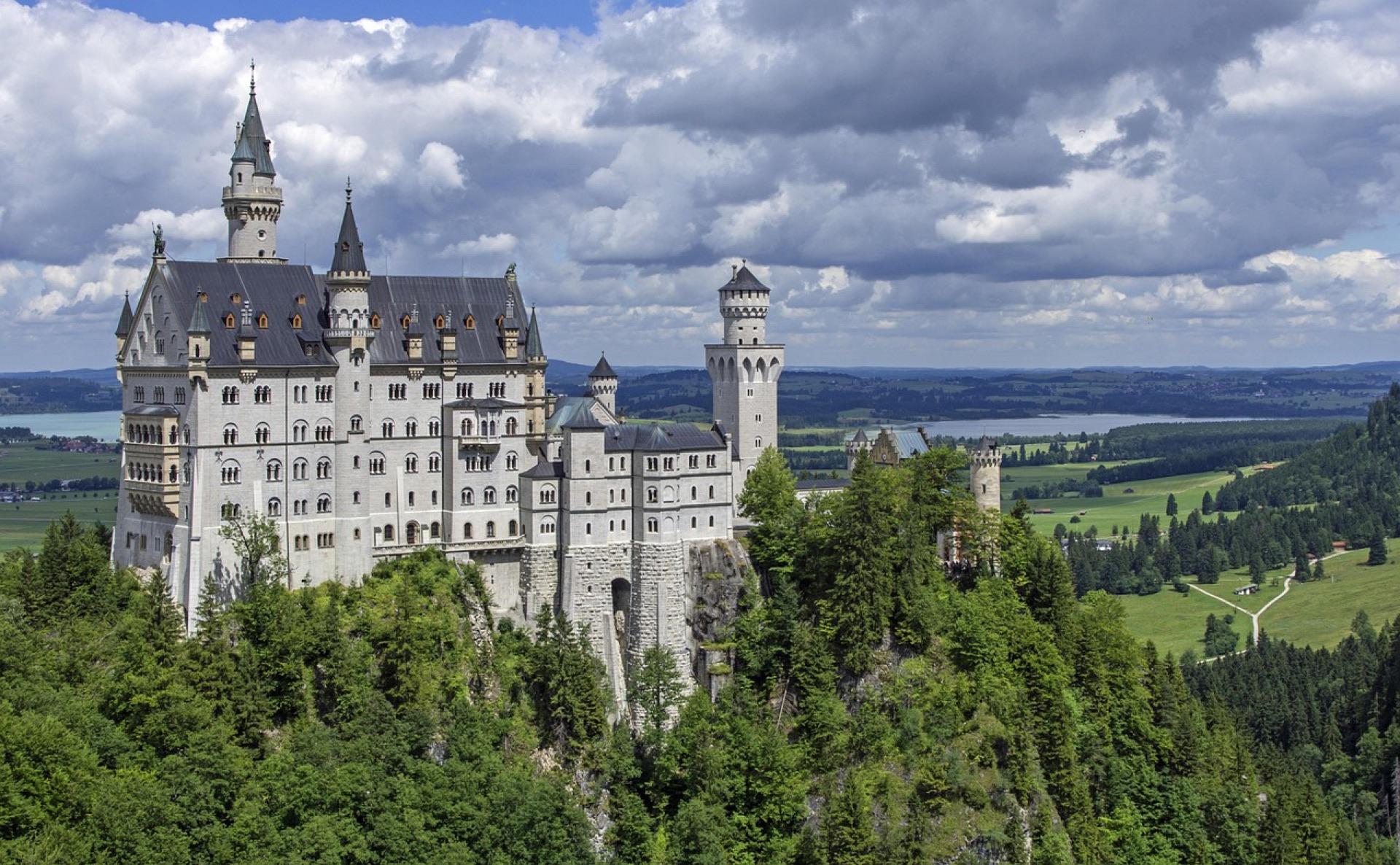
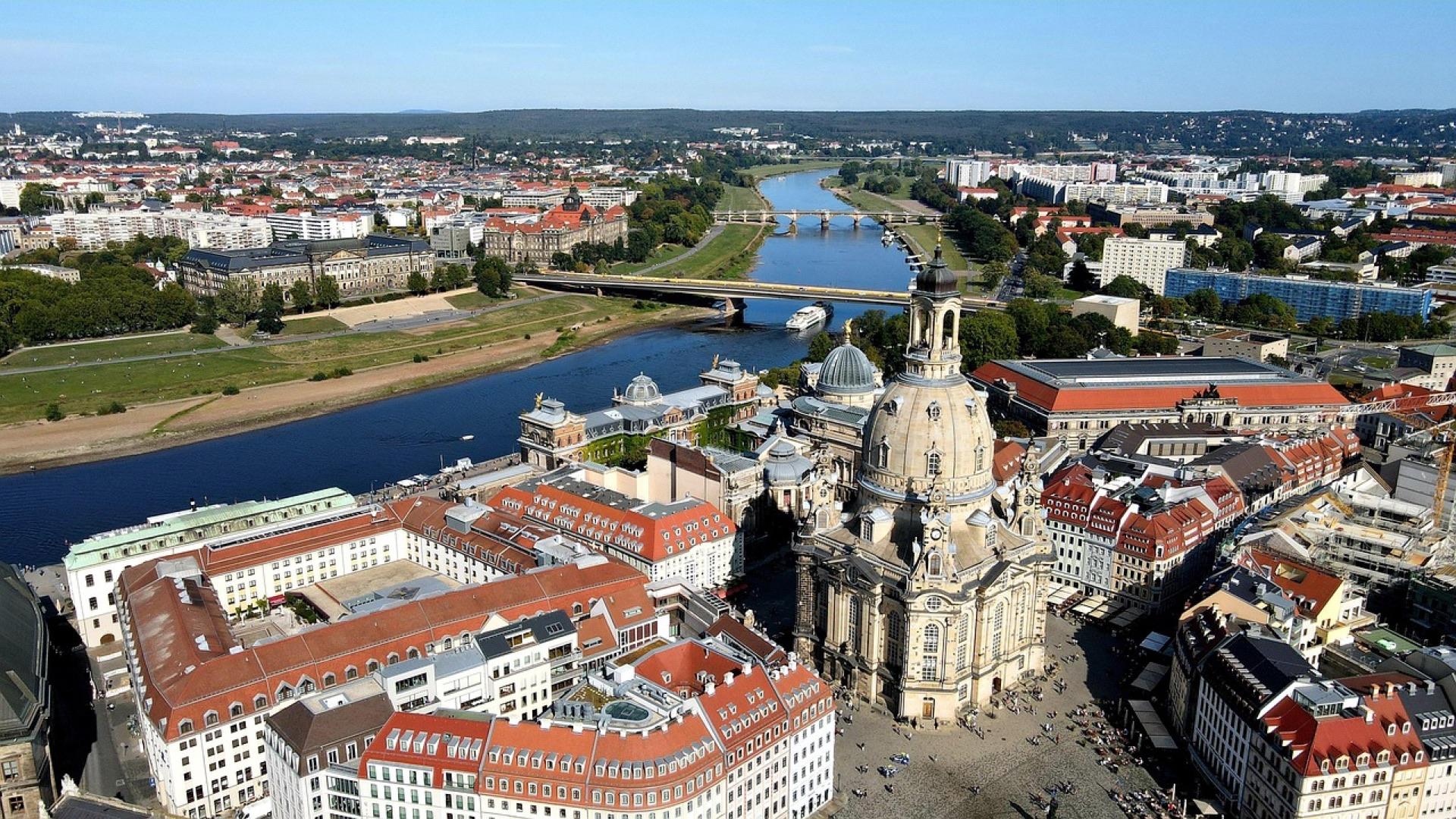
Germany only became a nation-state in 1871, after centuries fragmented into principalities, duchies and free cities; this historical plurality explains the richness of its regions, each of which has kept its own architecture, dialect, beer and cuisine. Berlin, capital once again in 1990 after the fall of the Wall, has let the two faces of the Cold War coexist within a few decades; the five great institutions of Museum Island are UNESCO-listed. Bavaria, further south, leans against the Alps; Munich carries on the great brewing tradition, and the castle of Neuschwanstein, commissioned by Ludwig II at the end of the 19th century, embodies the late Romantic imagination. The Romantic Rhine lines up its terraced vineyards and medieval castles; the Black Forest keeps its deep valleys and half-timbered villages. Hamburg carries the maritime identity of the country through its great port on the Elbe. Dresden, rebuilt stone by stone after the February 1945 bombing, is called the Florence of the Elbe for its Baroque heritage. The ICE network connects Frankfurt, Munich, Berlin and Cologne on a dense mesh.

Practical info

Language
German
Currency
Euro (€)
Time zone
UTC+1 (CET)
Rail network
ICE high-speed + dense regional network

Regions

Berlin

Berlin

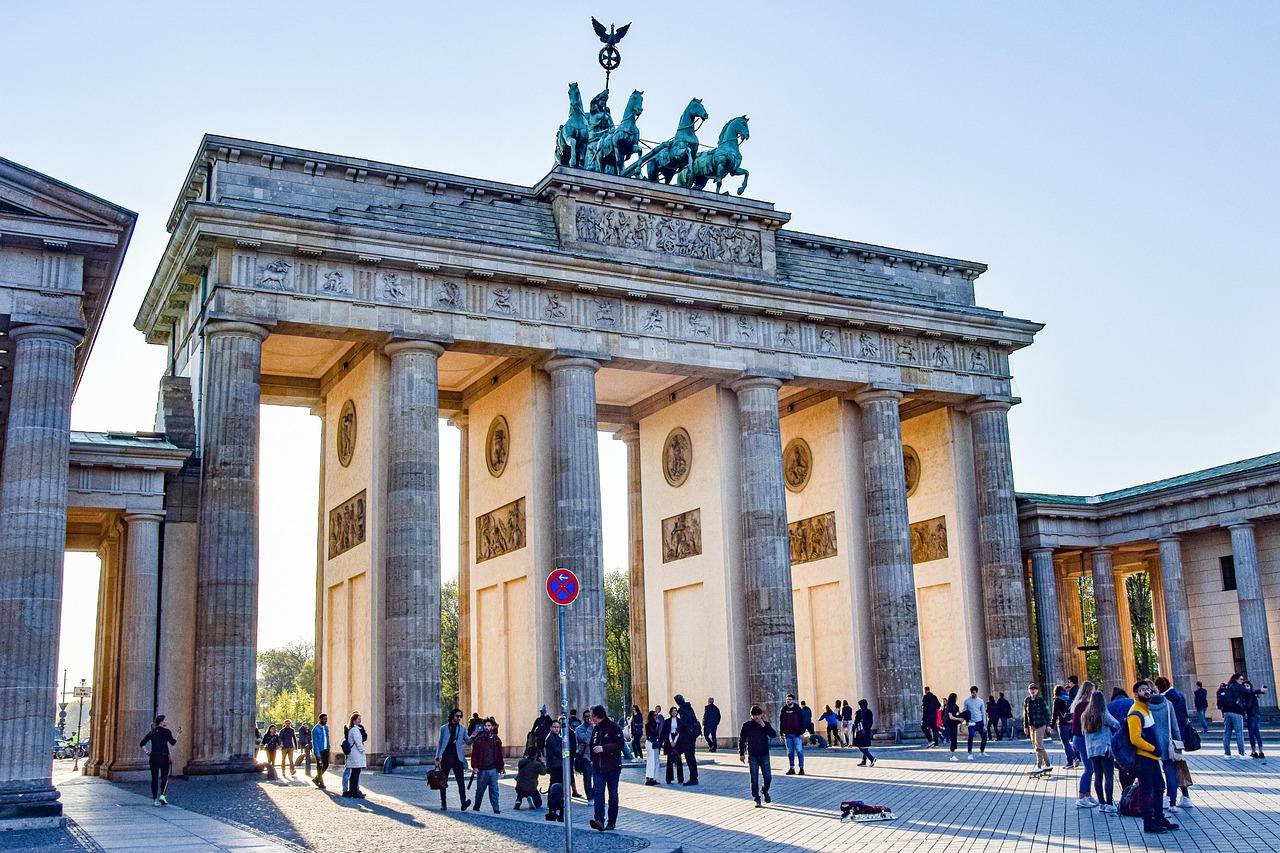
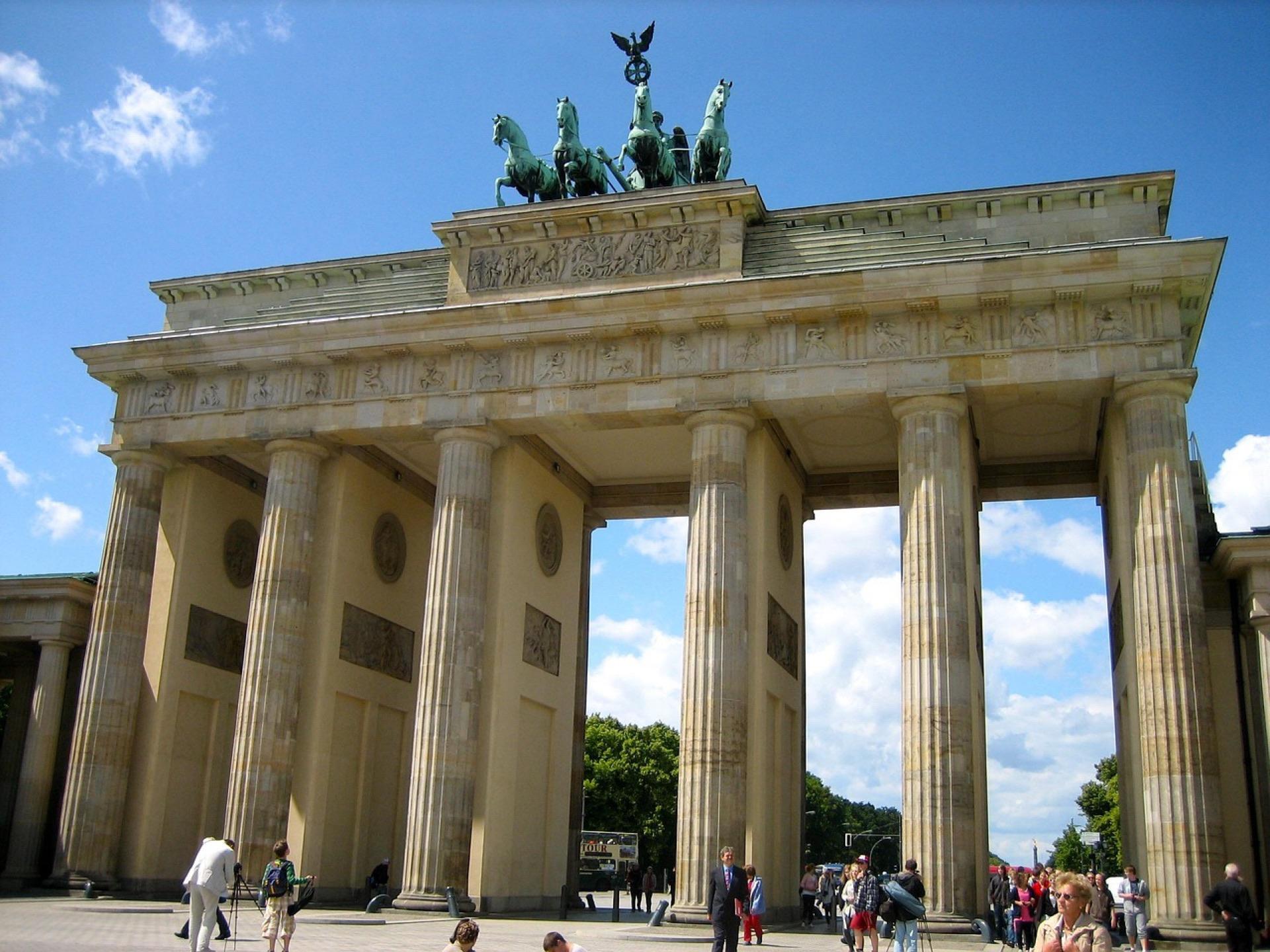
Berlin is the European capital where the political scars of the 20th century are most legible: from the Weimar Republic to Nazism, from Cold War division to the reunification of 1989, each rupture is inscribed in the urban fabric. The Brandenburg Gate, built in 1791 as a monument to peace, ended up just behind the Wall during the years of separation and now embodies the recovered unity of the city. The five museums of Museum Island — Altes, Neues, Alte Nationalgalerie, Bode and Pergamon — condense a century and a half of the great German tradition of collecting, and have been UNESCO-listed since 1999. The East Side Gallery, the longest remaining stretch of the Wall, became in 1990 an open-air gallery bringing together 118 artists. Berlin reinvented itself in the 1990s by turning its industrial wastelands into galleries, clubs and studios; from Berghain to Sunday picnics on the former runways of Tempelhof, it continues to invent new forms of public life.

Brandenburg GateMuseum IslandEast Side GalleryReichstagCheckpoint Charlie
Bavaria

Bavaria

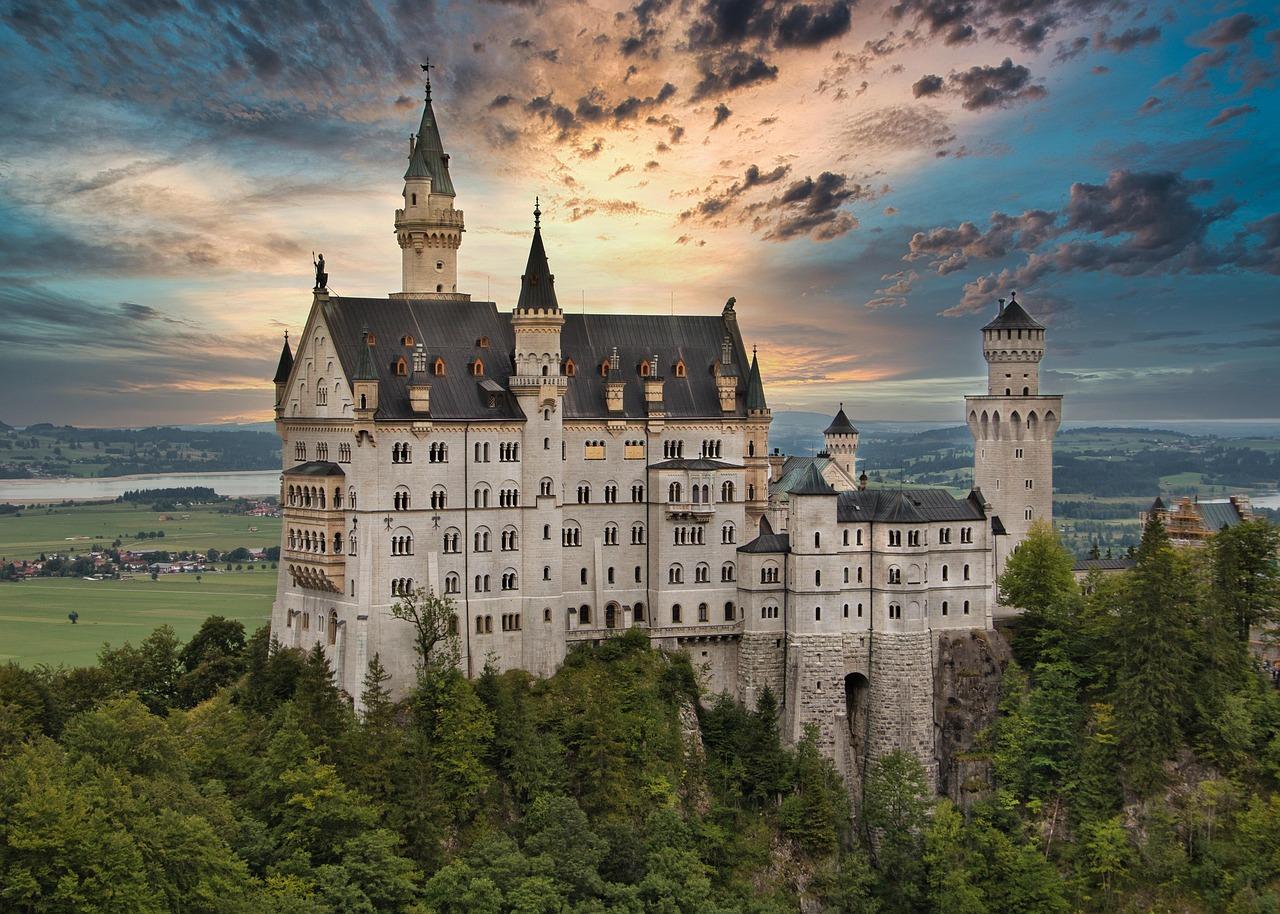
Bavaria is the largest German Land by area and keeps an identity distinct from the Prussian north: a kingdom until 1918, a Catholic culture, a brewing tradition and an Alpine inheritance. In Munich, every morning at eleven, Marienplatz becomes the theatre of the Glockenspiel, which has animated its 43 bells from the new city hall since 1908. The Hofbräuhaus, founded in 1589 for the court of the Wittelsbach dynasty, remains the most famous of the Bavarian breweries; the Viktualienmarkt, a food market dating from the 19th century, beats to the same rhythm. Neuschwanstein Castle, commissioned by Ludwig II in 1869 at the foot of the Alps near Füssen, was conceived under the direct influence of Wagner's operas; it remained unfinished at the king's mysterious death in 1886. Garmisch-Partenkirchen, an Alpine resort, sits at the foot of the Zugspitze, Germany's highest peak at 2,962 metres. Oktoberfest is held every year in Munich, on the Theresienwiese, from late September to early October, uninterrupted since 1810.

MunichNeuschwansteinOktoberfestGarmisch-PartenkirchenLake Starnberg
Rhineland

Rhineland

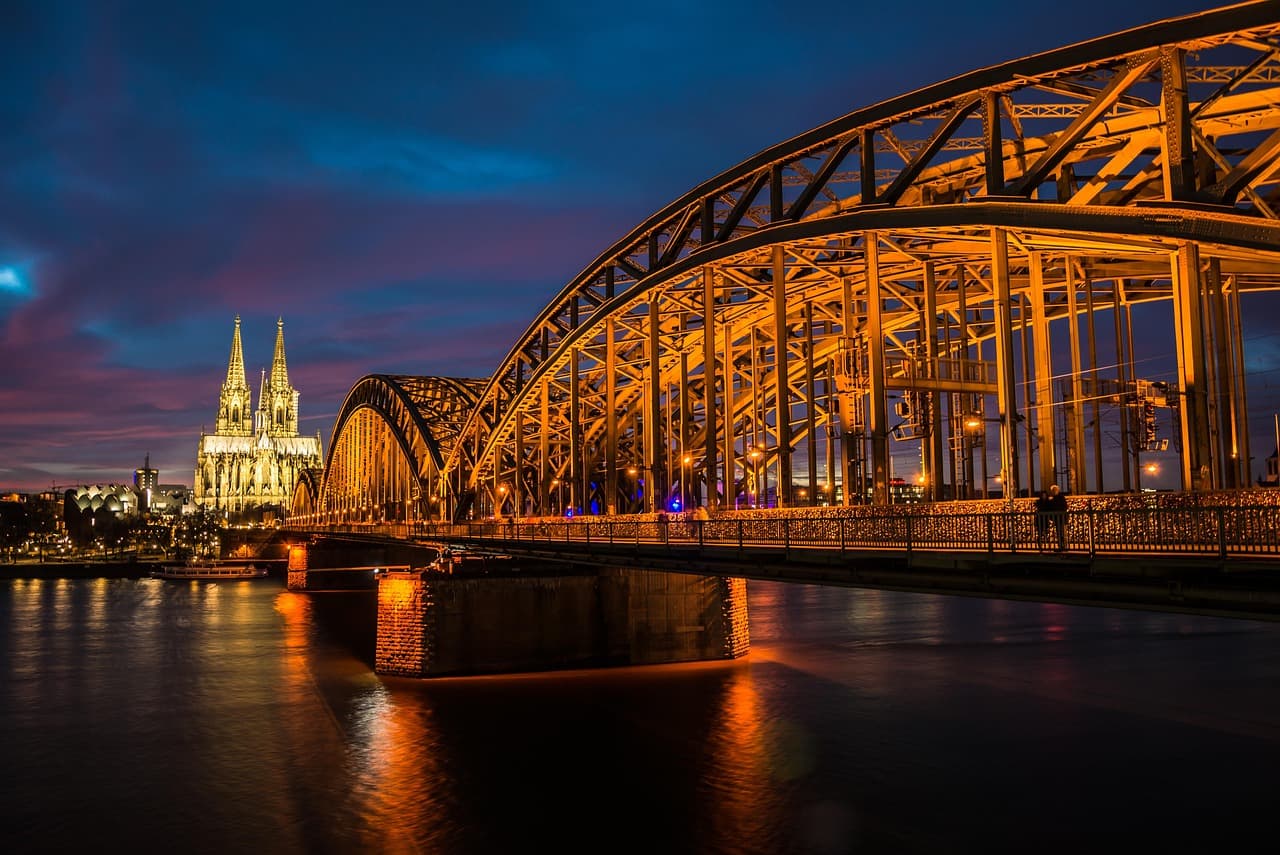
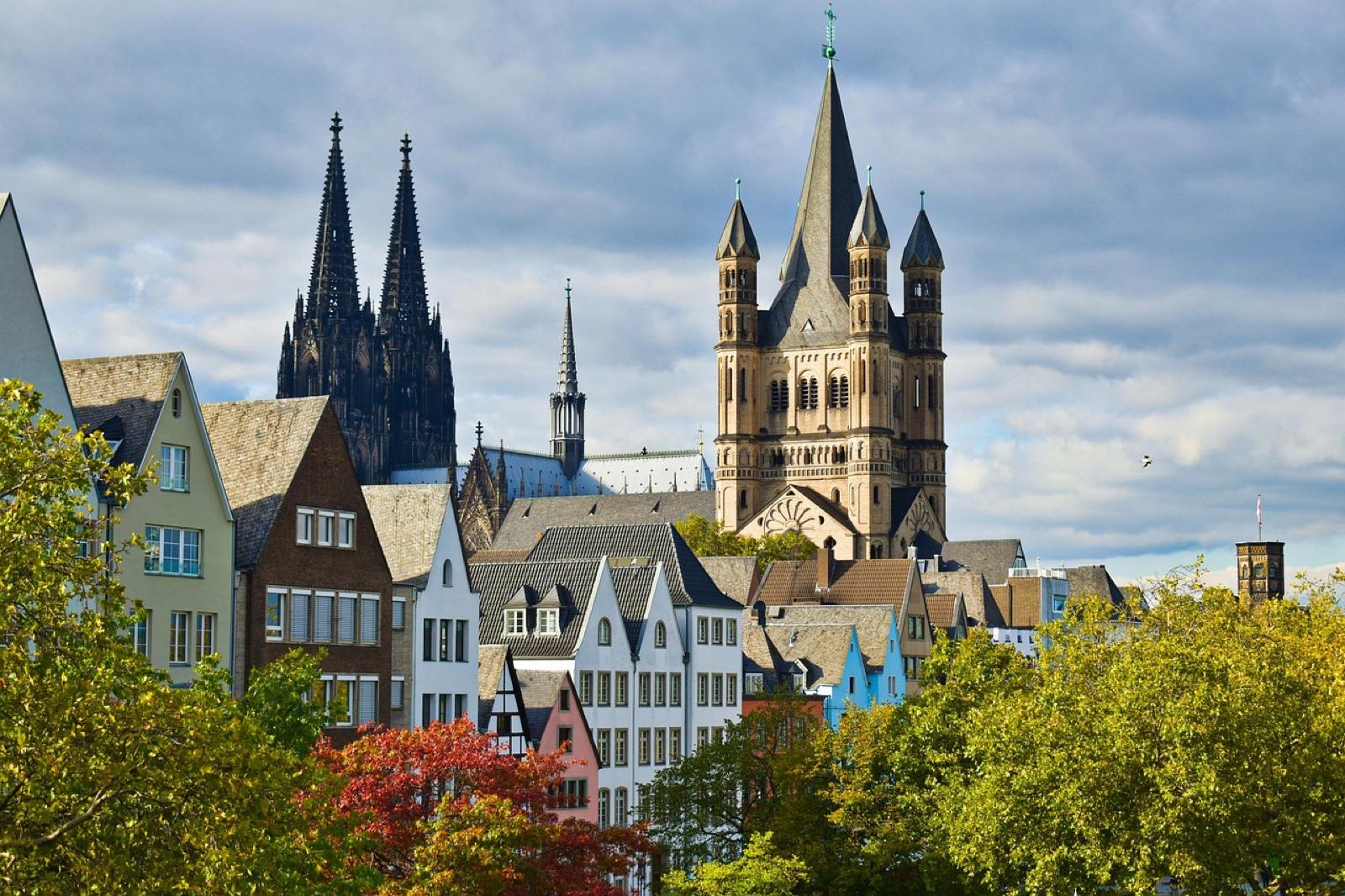
The Rhineland stretches across western Germany, along the river that links the Alps to the North Sea and remains one of the busiest commercial waterways in Europe. Cologne Cathedral, begun in 1248 and completed in 1880, held for four years the title of the tallest structure in the world with its two 157-metre spires; it has been UNESCO-listed since 1996. Düsseldorf, which became in 1946 the capital of the Land of North Rhine-Westphalia, has asserted itself in the second half of the 20th century through its Altbier, its Fashion Week and Frank Gehry's buildings at the MedienHafen. The Middle Rhine valley, UNESCO-listed between Bingen and Koblenz over sixty-five kilometres, lines up its Riesling vineyards and its thirty medieval castles along one of the most painted river landscapes in Europe. Bonn is Beethoven's birthplace and was, from 1949 to 1990, the provisional capital of West Germany. Aachen hosted the court of Charlemagne and was, for that reason, one of the earliest centres of medieval Europe.

Cologne CathedralDüsseldorfRhine ValleyBonnAachen
Heidelberg and Black Forest

Heidelberg and Black Forest

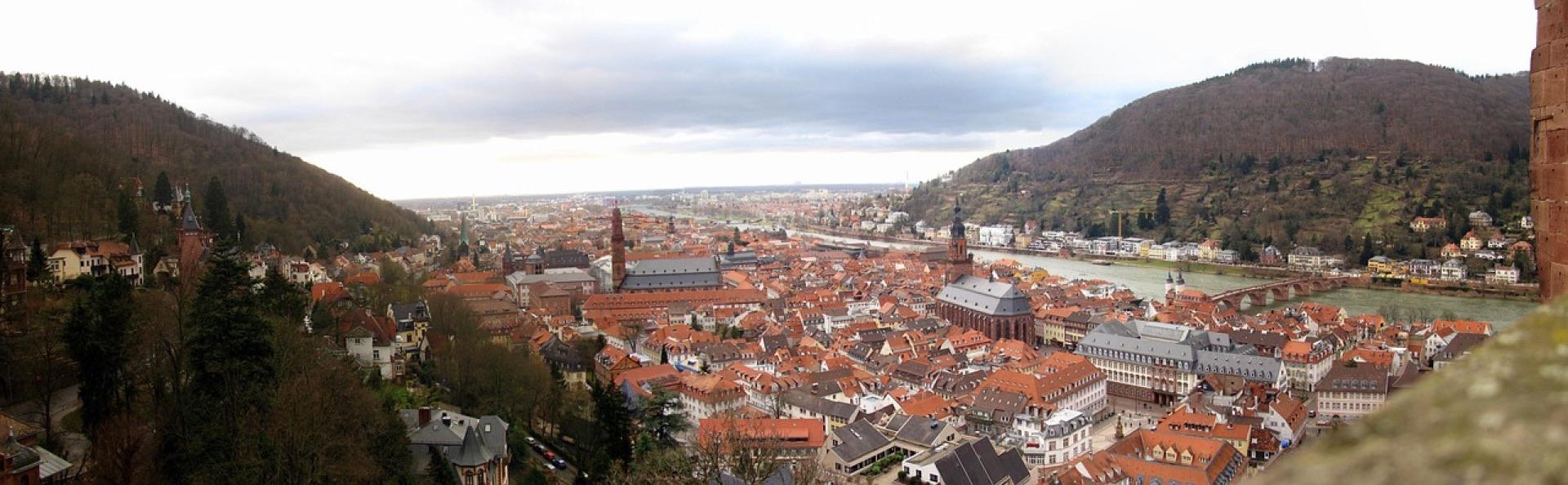
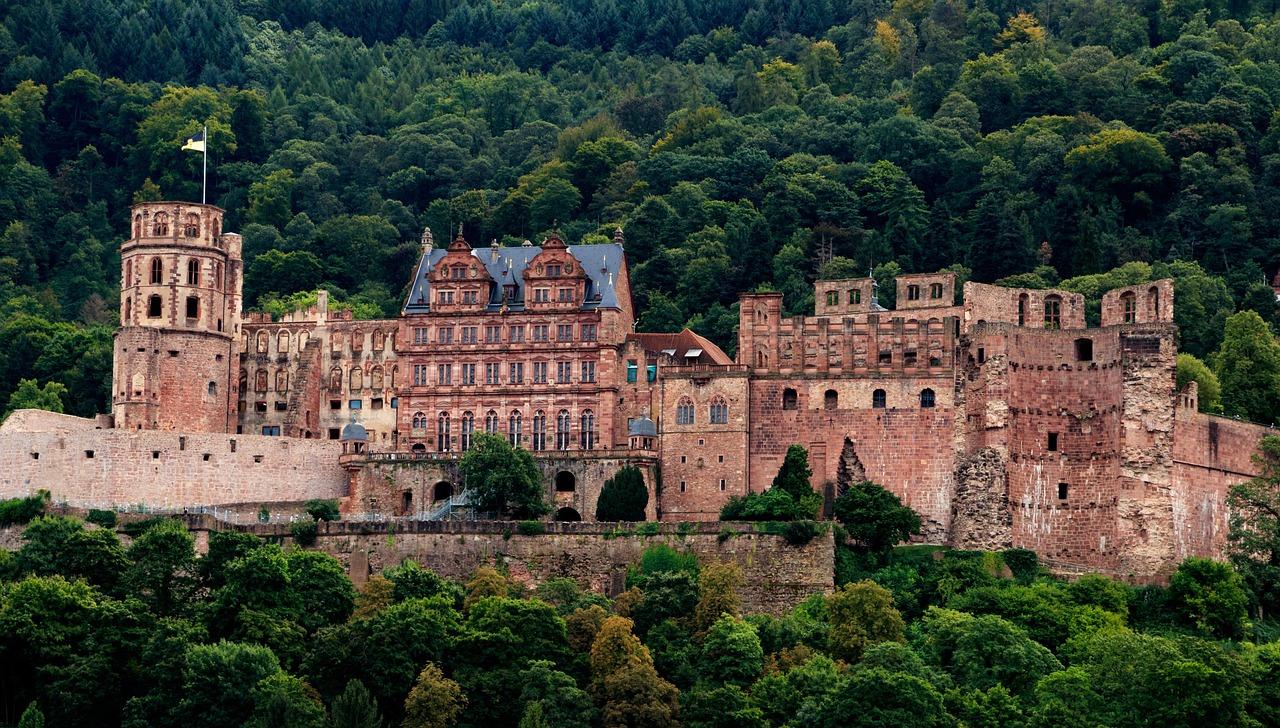
Heidelberg was born where the Neckar enters a narrow valley; its red-sandstone castle and the oldest German university, founded in 1386 by Prince-Elector Ruprecht, gave it a singular place in European history. The 19th-century German Romantics — along with Goethe and Mark Twain — helped turn the city into a literary image. The Black Forest (Schwarzwald), which extends 160 kilometres across south-western Baden-Württemberg, owes its name to the density of its firs that barely let the light through. Lakes Titisee and Schluchsee are of glacial origin; the Triberg waterfalls, at roughly 163 metres, are among the tallest in Germany. The tradition of the cuckoo clock was born here in the late 18th century; the workshops of Triberg and Furtwangen continue to carry it on. Baden-Baden, with its thermal springs, became in the 19th century a meeting point of the European elite, from Dostoevsky to Bismarck; the Friedrichsbad and the Caracalla Therme still extend the thermal tradition today.

Heidelberg CastleBlack ForestFreiburgBaden-BadenLake Titisee
Dresden and Saxony

Dresden and Saxony

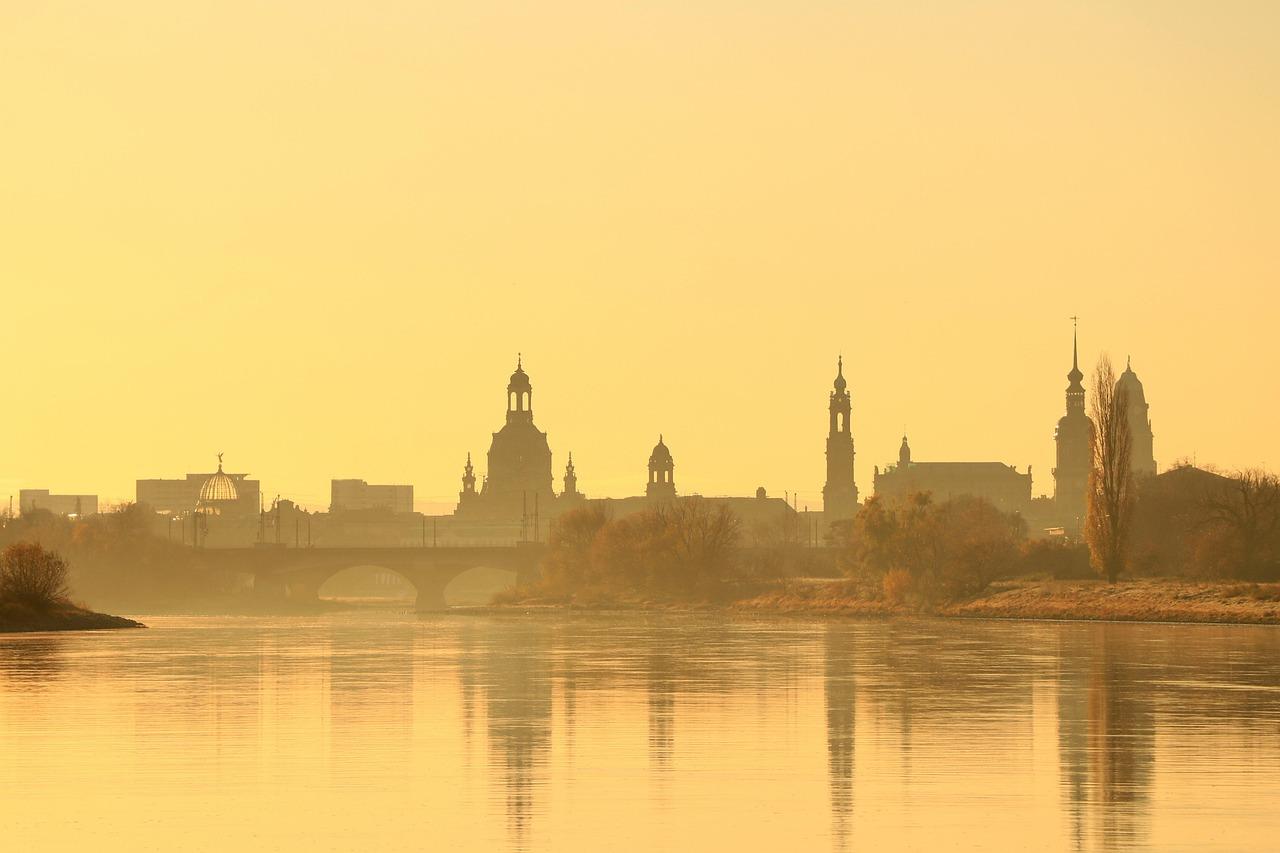
Dresden was almost entirely destroyed by the Allied bombing of 13 and 14 February 1945; rebuilding one of the most elegant Baroque cities in Germany took more than forty years and was only completed between 1994 and 2005 with the reconstruction of the Frauenkirche from original stones recovered in the rubble. The Zwinger, designed in the early 18th century by Augustus the Strong for court festivities, houses the Old Masters Picture Gallery and Raphael's Sistine Madonna. The Green Vault (Grünes Gewölbe) brings together the dynastic treasure of the Saxon electors, precious stones and goldsmith's work from the Renaissance to the Baroque. Leipzig is the city where Johann Sebastian Bach was cantor of St Thomas's Church from 1723 until his death in 1750; it is also the cradle of the peaceful Monday demonstrations of 1989, the starting point of the quiet revolution in the GDR. Today, its artistic scene has earned it the nickname of Little Berlin. Saxon Switzerland, along the Elbe, offers with the sandstone arches of the Bastei one of the most spectacular rock landscapes in Central Europe.

FrauenkircheZwingerLeipzigSaxon SwitzerlandMeissen
Hamburg

Hamburg

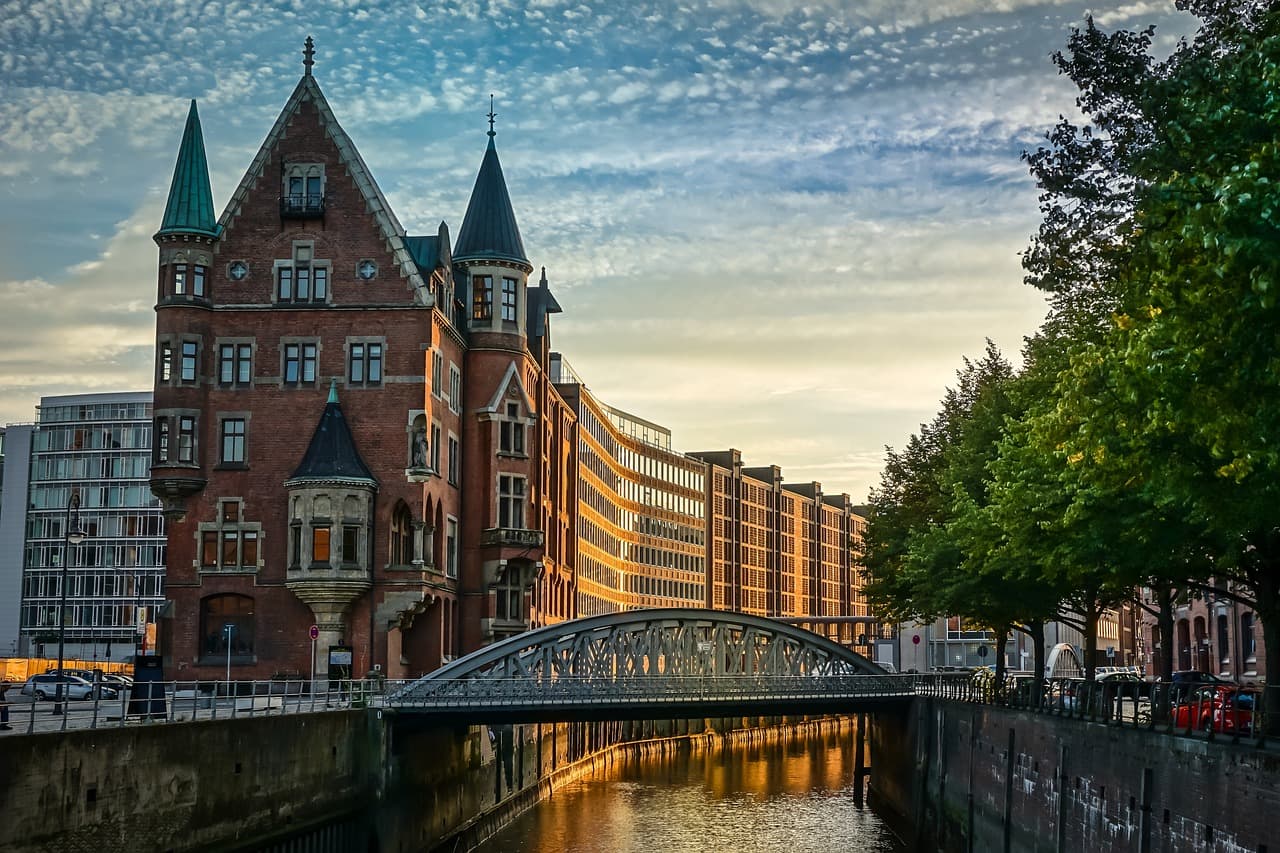
Hamburg grew at the point where, roughly a hundred kilometres from the North Sea, the Elbe forms a wide estuary; the city is the largest port in Germany and the third largest in Europe by traffic. Its official name, Freie und Hansestadt Hamburg — Free and Hanseatic City — recalls seven centuries of commercial autonomy. The Speicherstadt, built between 1883 and 1927, is the largest contiguous red-brick warehouse ensemble in the world; it has been UNESCO-listed since 2015, with more than seventy neo-Gothic façades rising on wooden piles driven into the water. The Elbphilharmonie, inaugurated in 2017, raises its glass vault above a former cocoa warehouse; the escalator leading to the public viewing platform is freely accessible and offers one of the finest urban panoramas in the country. The Fischmarkt opens at five in the morning every Sunday and has carried on the tradition of the fish stalls since 1703. On the Reeperbahn in the Sankt Pauli district, the Beatles played their first concerts between 1960 and 1962; it was there that the group found its true identity.

ElbphilharmonieSpeicherstadtFischmarktMiniatur WunderlandReeperbahn
Submit a request