All destinations

Belgium

Belgium
Belgium 2
Belgium 3
Belgium 4
Belgium 5

Belgium is a small country with a high cultural density, born in 1830 from a split with the Netherlands and composed of three linguistic regions: Dutch-speaking Flanders in the north, French-speaking Wallonia in the south and the bilingual region of Brussels. Brussels holds an exceptional Art Nouveau heritage, due largely to Victor Horta, whose house-studio opened the way for the movement at the turn of the 20th century; the city also houses the European Parliament and the European Commission. Bruges, which fell dormant after its access to the sea silted up in the 15th century, has kept intact the urban fabric that had made it one of the great merchant cities of the North; its centre is UNESCO-listed. Ghent preserves the Ghent Altarpiece, a polyptych completed in 1432 by the Van Eyck brothers and one of the founding works of oil painting. Antwerp, Rubens' home city and a historic port of northern Europe, remains the world capital of cut diamonds and the cradle of Belgian fashion since the Antwerp Six in the 1980s. The gastronomy — chocolates from Neuhaus and Pierre Marcolini, more than 1,500 catalogued beers, fries now classed as intangible heritage — is a national matter of its own. Rail distances remain short: Brussels to Bruges in an hour, Brussels to Antwerp in forty minutes.

Practical info

Language
French, Dutch, German
Currency
Euro (€)
Time zone
UTC+1 (CET)
Access
Thalys/Eurostar from Paris in 1h22

Regions

Brussels

Brussels

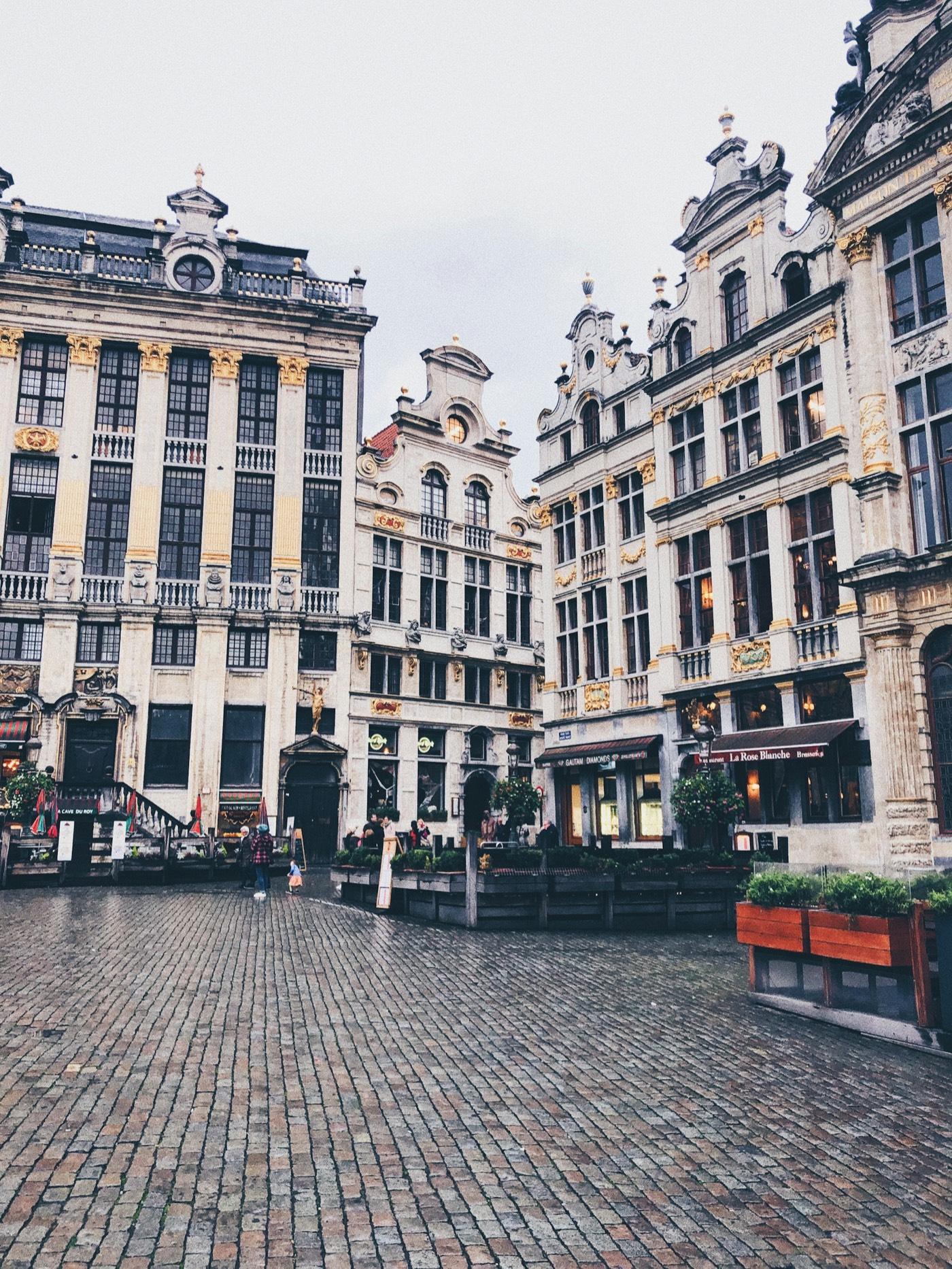
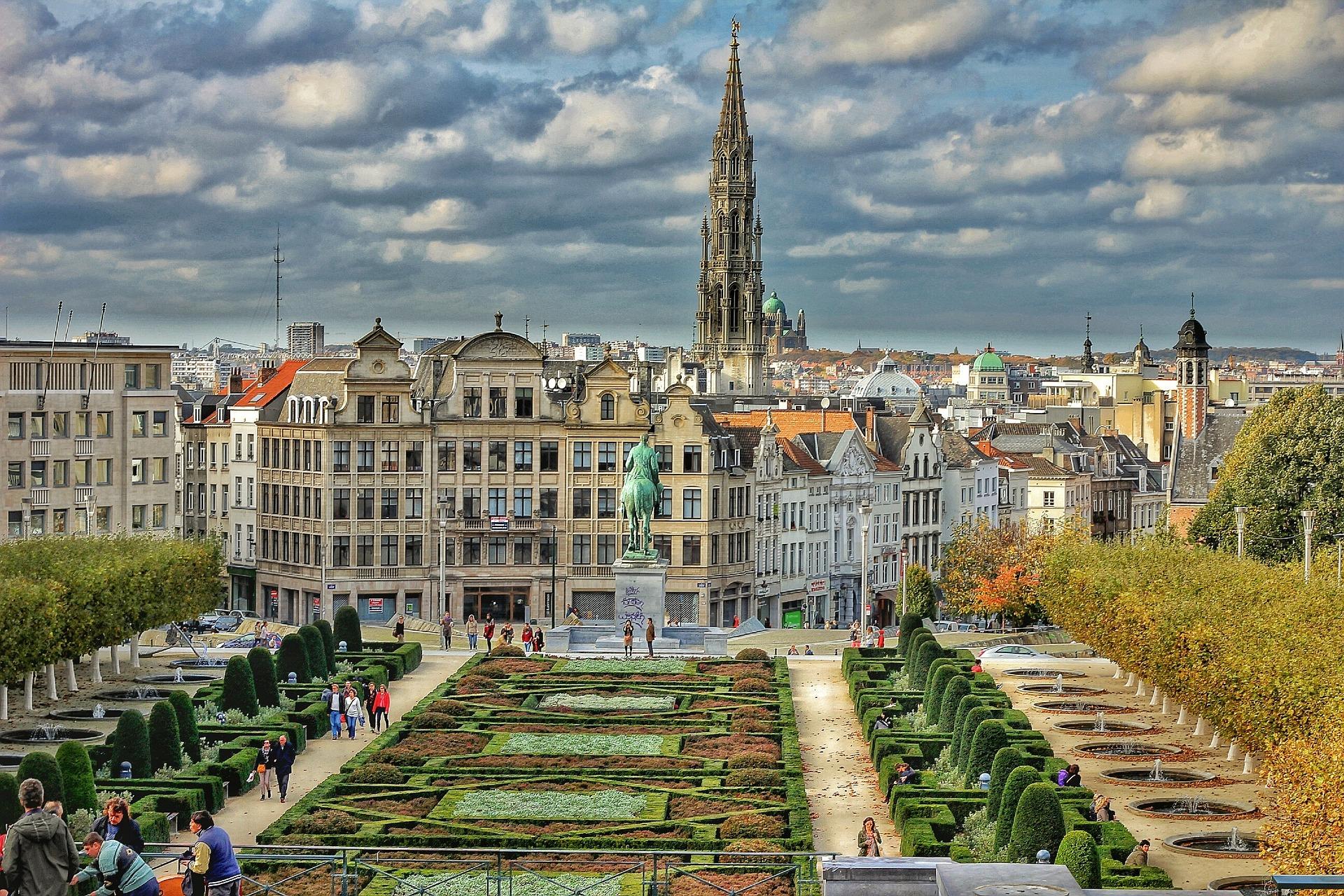
Brussels is one of Europe's smaller capitals and, at the same time, the seat of the European Commission, the European Council and NATO; this double scale — provincial city and continental institutional hub — explains its singular atmosphere. The Grand-Place, rebuilt identically in the late 17th century after the French bombardment of 1695, lines up its guild houses with their ornately carved stone façades and has been UNESCO-listed since 1998. The Hôtel Tassel, completed by Victor Horta in 1893, is regarded as the first Art Nouveau building in the world; several of Horta's other works are likewise classified. The European Quarter, to the east, juxtaposes within a few hundred metres the Berlaymont, seat of the Commission, and the Parliament above Luxembourg station. The Sablon concentrates antique galleries and chocolatiers established for several generations — Wittamer, Pierre Marcolini, Neuhaus, who invented the praline in 1912. Belgian beer culture, inscribed in 2016 on the UNESCO list of intangible heritage, still includes more than 1,500 references in production.

Grand-PlaceAtomiumArt Nouveau (Horta)European QuarterManneken PisSablon
Bruges

Bruges

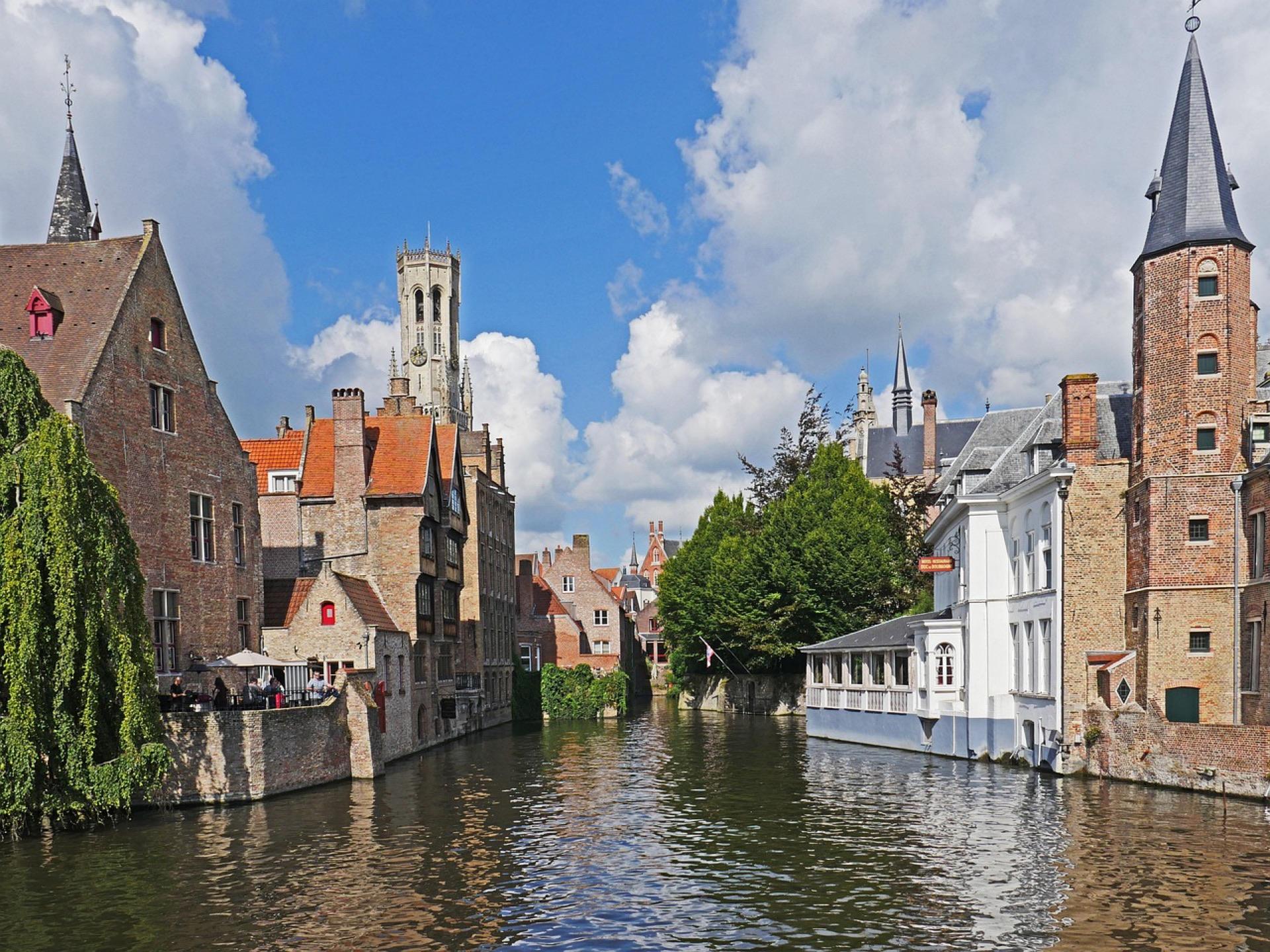
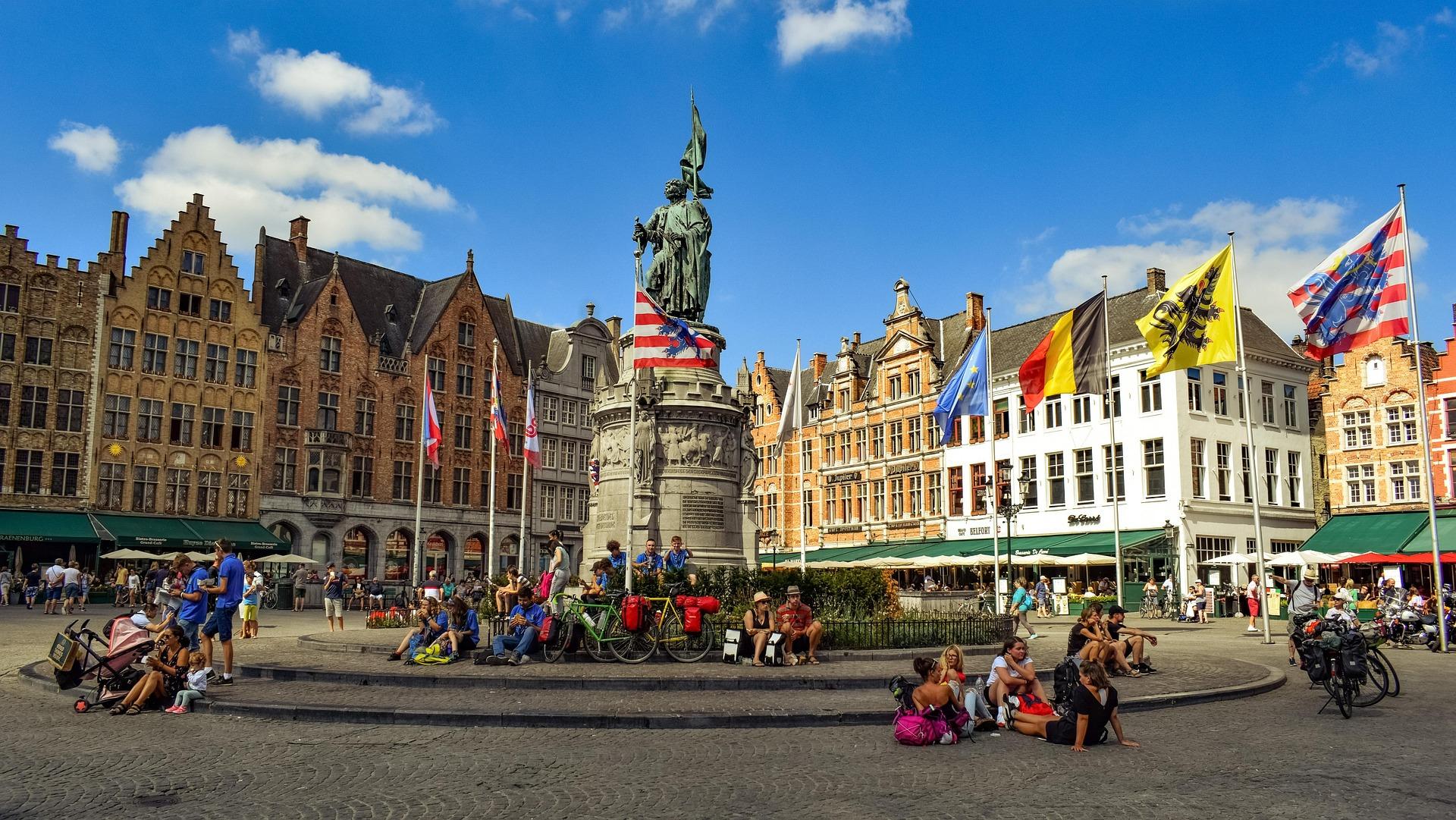
Bruges was, in the 15th century, one of the wealthiest cities in northern Europe, thanks to its position as a commercial crossroads between the Mediterranean and the Hanseatic League; the gradual silting of its sea access around 1500 paradoxically protected its urban fabric from the rebuilding of later centuries, which explains the density of the medieval centre preserved today and its inscription on the UNESCO list in 2000. The 83-metre belfry, built between the 13th and 15th centuries, dominates the market square; its carillon still rings the hours. The Rozenhoedkaai, a small bend where the canal ends before a row of gabled façades, is the most photographed viewpoint in the city. The Beguinage, founded in 1245 by Margaret of Constantinople, housed for centuries unmarried women living in community without taking religious vows. De Halve Maan brewery, run by the same family since 1856, still feeds its three-kilometre underground pipeline that carries beer to the bottling site. The Groeningemuseum holds the Madonna with Canon van der Paele, painted in 1436 by Jan van Eyck, one of the peaks of Flemish Primitive painting.

CanalsBelfryBasilica of the Holy BloodBéguinageDe Halve Maan Brewery
Ghent

Ghent

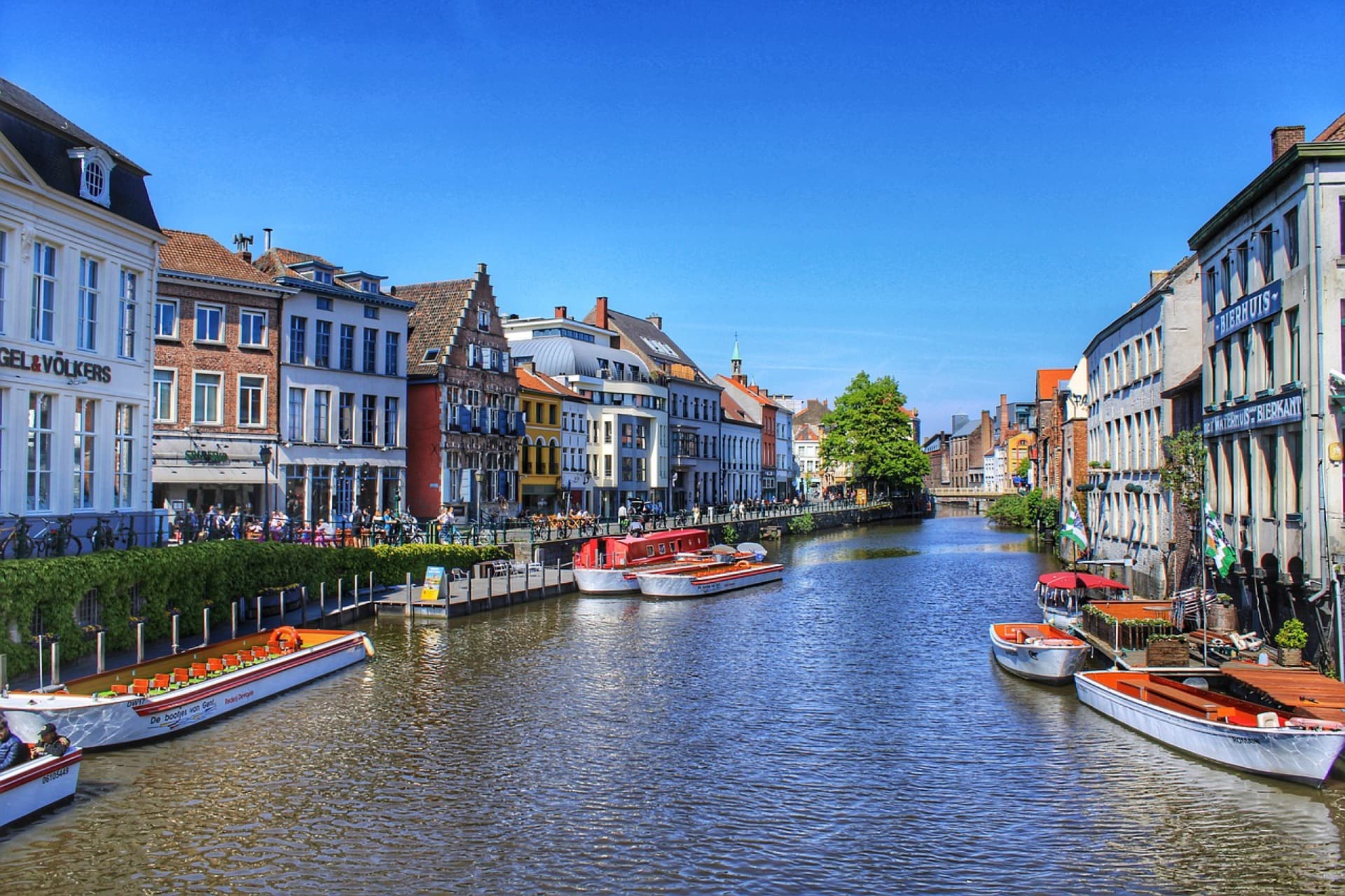
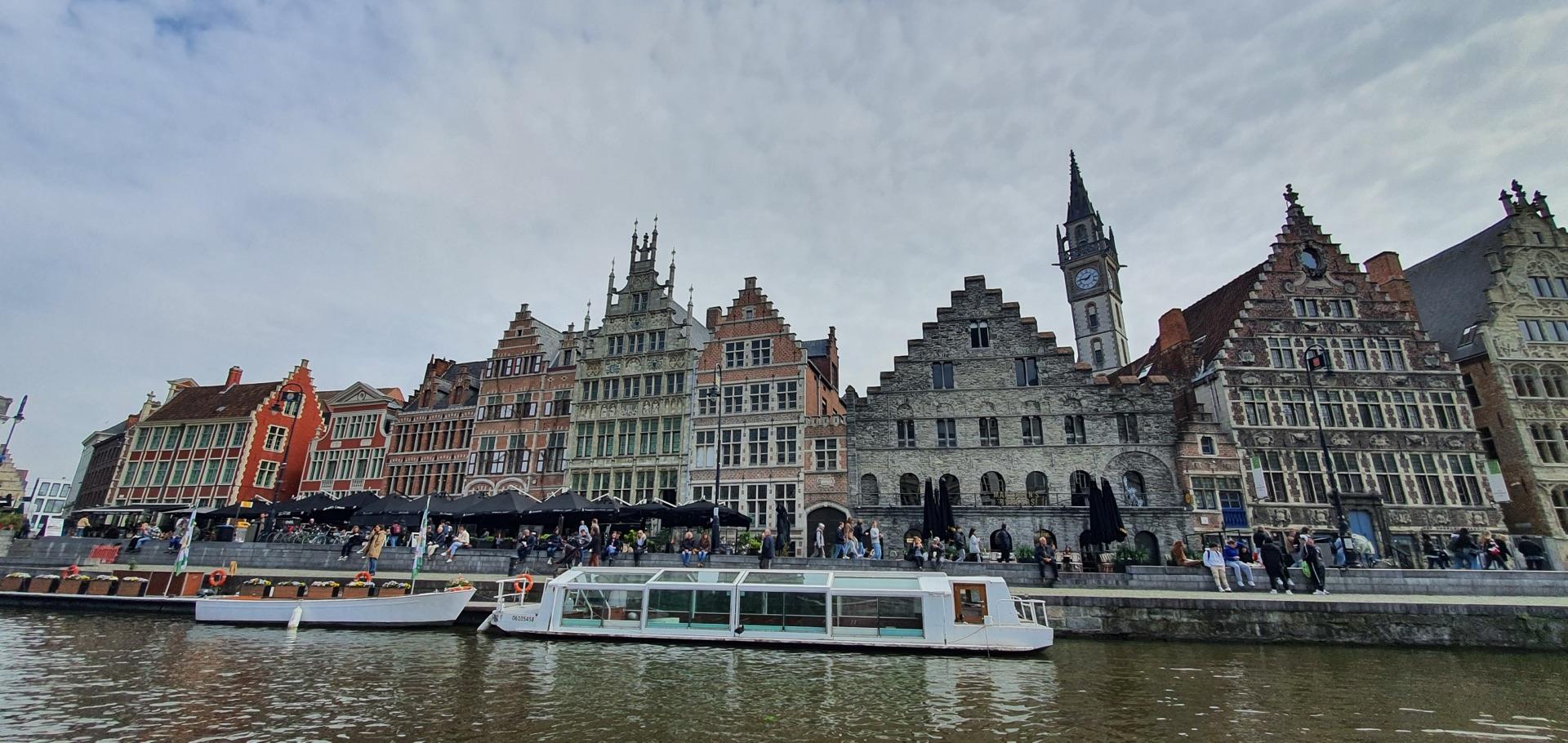
Ghent, as photogenic as Bruges, is a living city whose identity is shared between an intact medieval heritage and the presence of a major university — Universiteit Gent counts close to 50,000 students — which gives it its everyday atmosphere. St Bavo's Cathedral holds the Ghent Altarpiece, a polyptych completed in 1432 by Hubert and Jan van Eyck and considered the first masterpiece of European oil painting. The Castle of the Counts (Gravensteen), finished in 1180 by Philip of Alsace, is the only surviving medieval fortified castle in Flanders. The Graslei and Korenlei quays, facing each other across the Lys, line up guild houses from the 12th to the 18th century. The narrow lanes of the Patershol preserve an older artisanal fabric, while around Werregarenstraat an entire officially authorised street-art culture has developed since the 1990s. The Gentse Feesten festival, ten days in July, turns the city into one of the largest urban street parties in Europe.

Ghent AltarpieceGrasleiCastle of the CountsStreet art
Antwerp

Antwerp

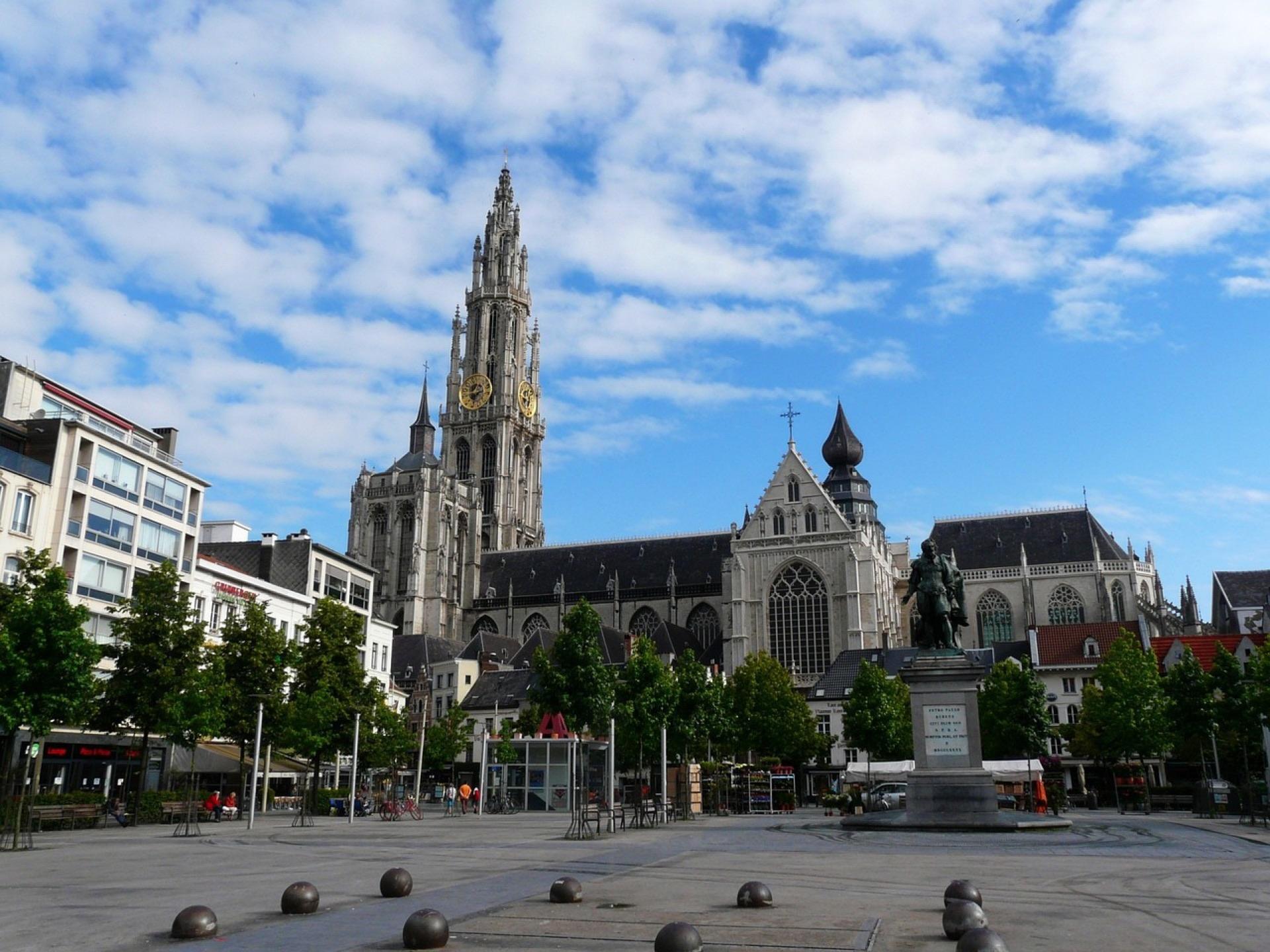
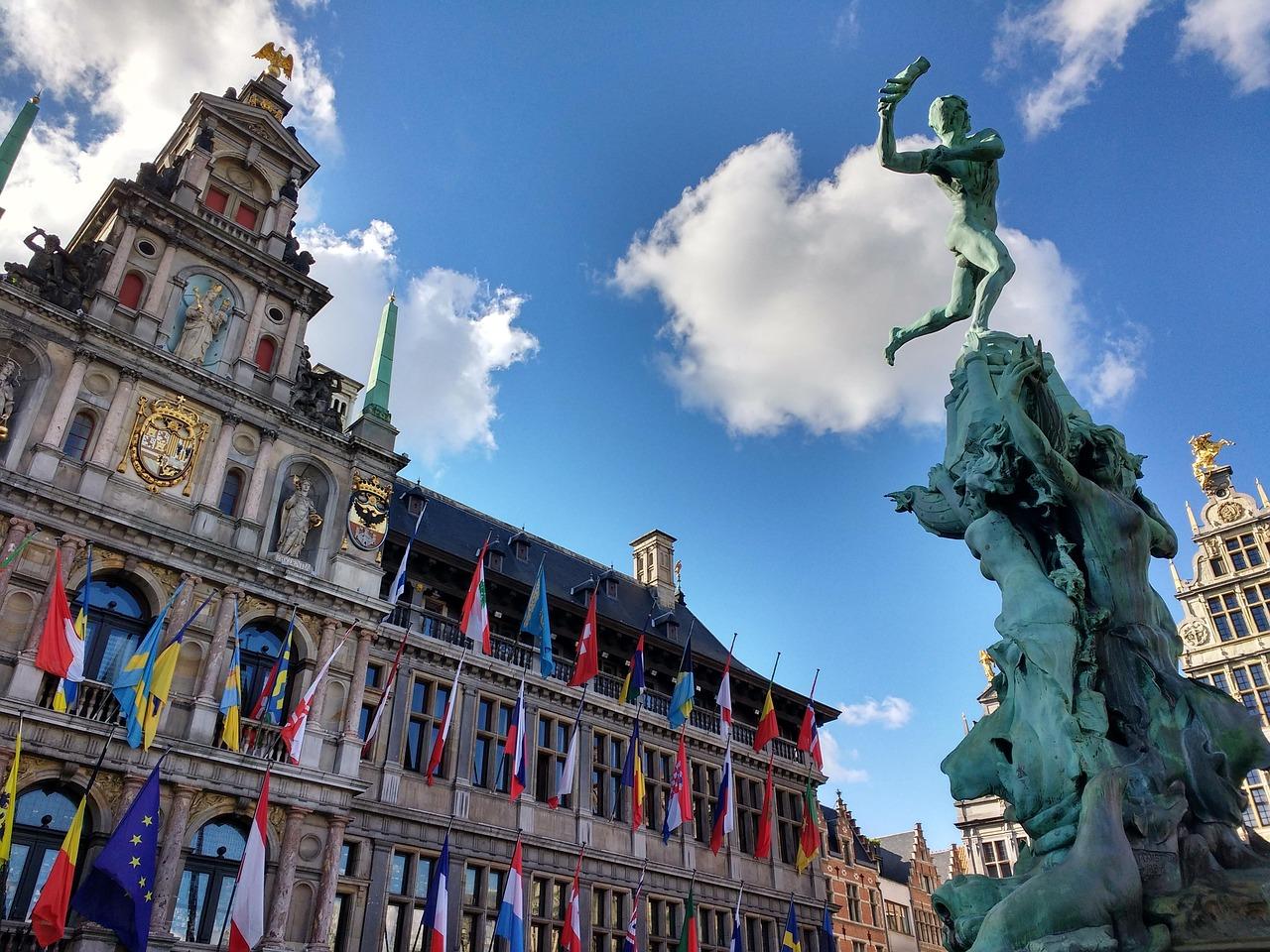
Antwerp is first known as Rubens' city, but to reduce it to its Baroque inheritance would be to narrow it; it is also Europe's second-largest port, the world capital of cut diamonds and, since the Antwerp Six — Ann Demeulemeester, Dries Van Noten, Walter Van Beirendonck and their peers trained at the Royal Academy in the 1980s — a major centre of contemporary fashion. The Central Station, completed in 1905 and often called a railway cathedral for its glass-and-iron dome rising 75 metres, is regularly ranked among the most beautiful stations in the world. The Rubens House, where the painter lived from 1610 until his death in 1640, preserves his studio and part of his personal collection. The diamond quarter, concentrated in a few streets near the station, still handles close to 85 % of the world's rough diamond trade. The MAS (Museum aan de Stroom), opened in 2011 in a red-brick and glass tower, offers from its freely accessible rooftop the best panorama of the port. The dining scene reflects the cosmopolitanism of the docks: Congolese, Moroccan, Ashkenazi Jewish and Flemish kitchens coexist within a few blocks of one another.

Central StationRubens HouseDiamond QuarterMAS Museum
Leuven

Leuven

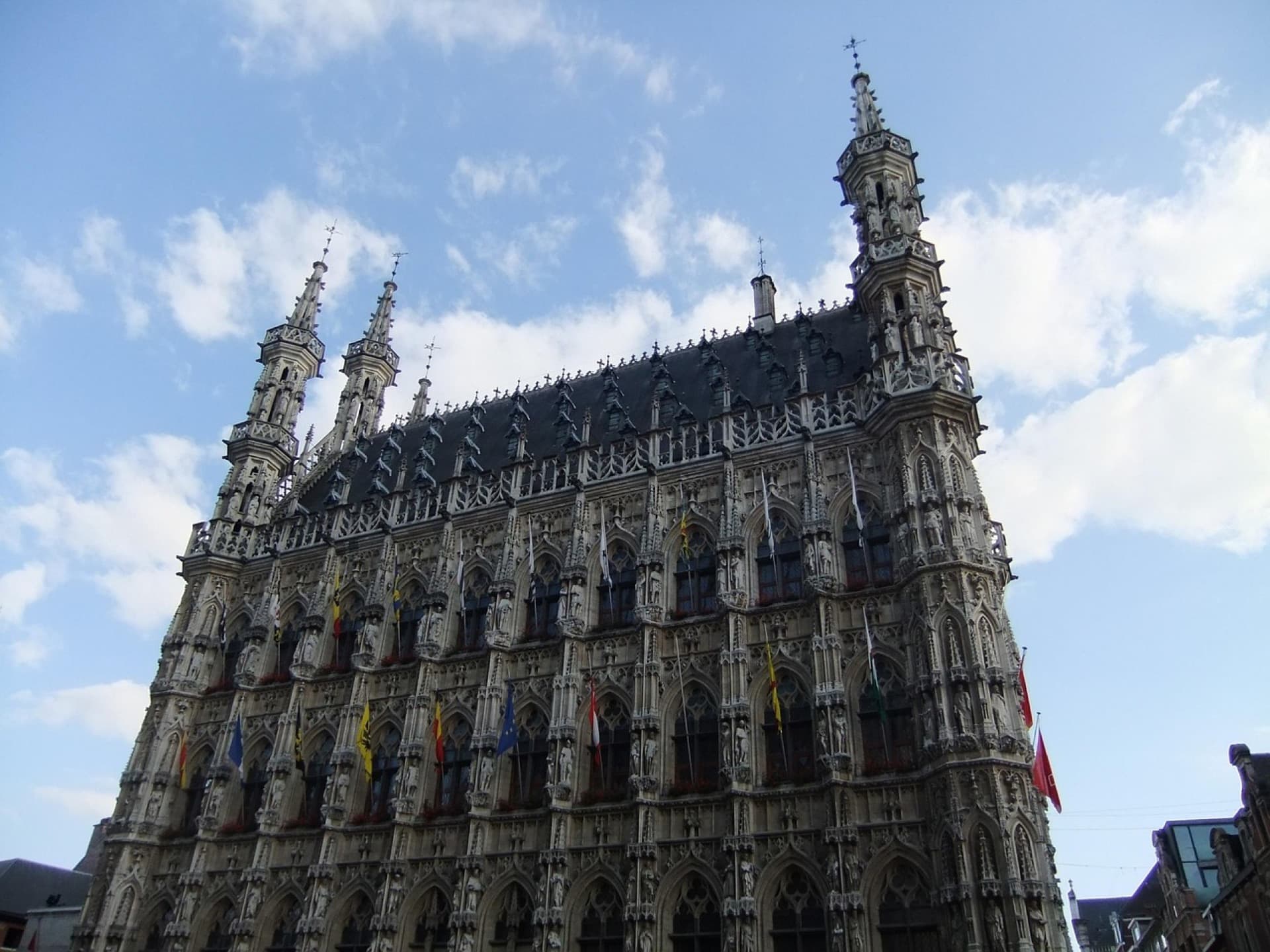
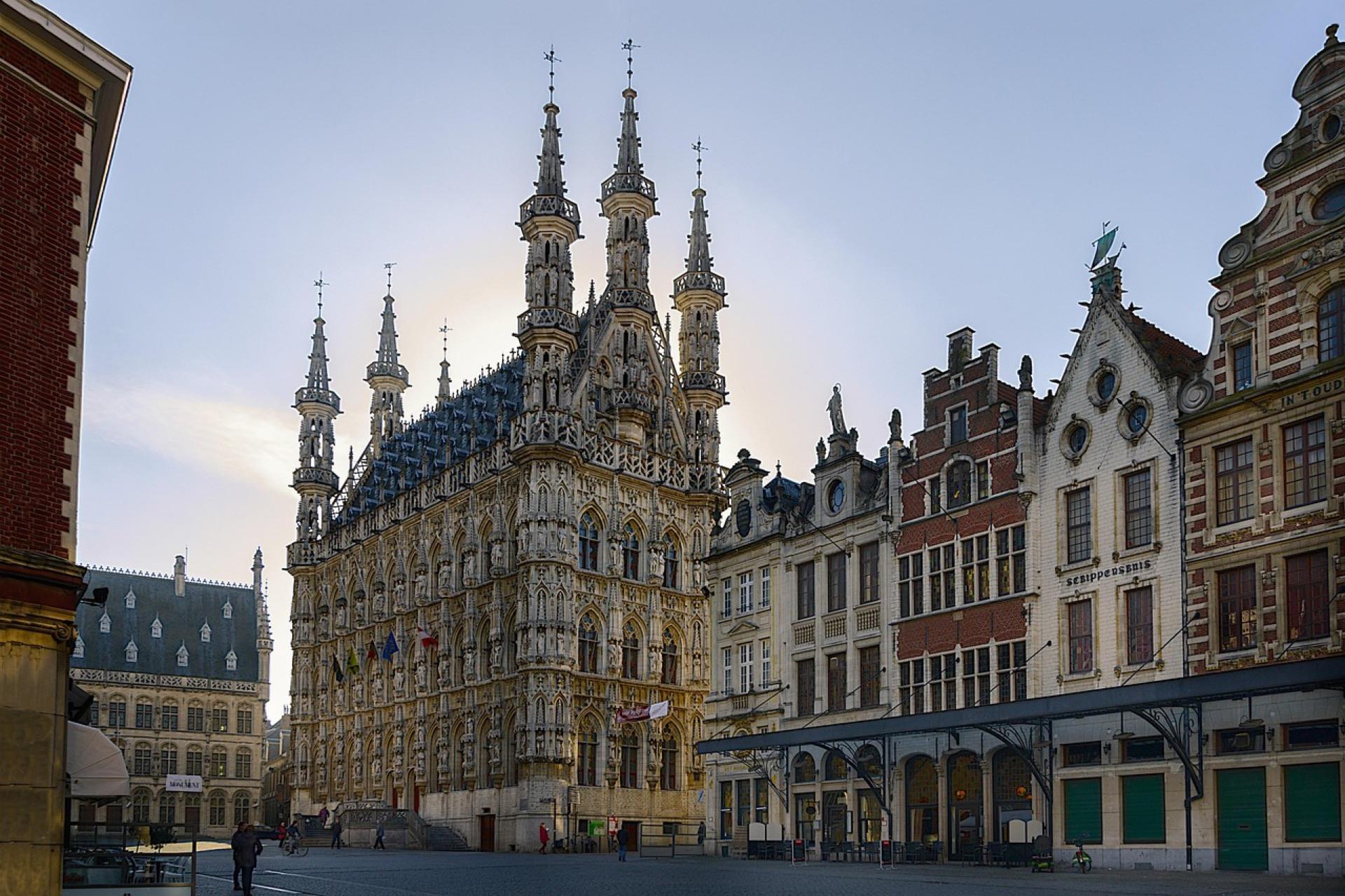
Leuven is the oldest university town in the historic Low Countries: KU Leuven, founded in 1425, still shapes the daily fabric of the city and counts among the oldest continuously active universities in Europe. The town hall, completed in 1469 in Brabantine Gothic style, carries 236 sculpted statues across its façade and is considered one of the most meticulously ornamented in Belgium. The Oude Markt, a square lined with cafés, is sometimes called the longest bar counter in Europe. The university library, burned down in 1914 and rebuilt thanks to an international subscription, was destroyed again in 1940 before being rebuilt a second time; it illustrates both the fragility and the perseverance of written transmission. The Stella Artois brewery, established in Leuven since 1366, still brews part of its production in the city. Leuven thus offers the rare combination of a complete Gothic heritage and the daily energy of a student town.

Town HallOude MarktStella Artois BreweryUniversity
Wallonia

Wallonia

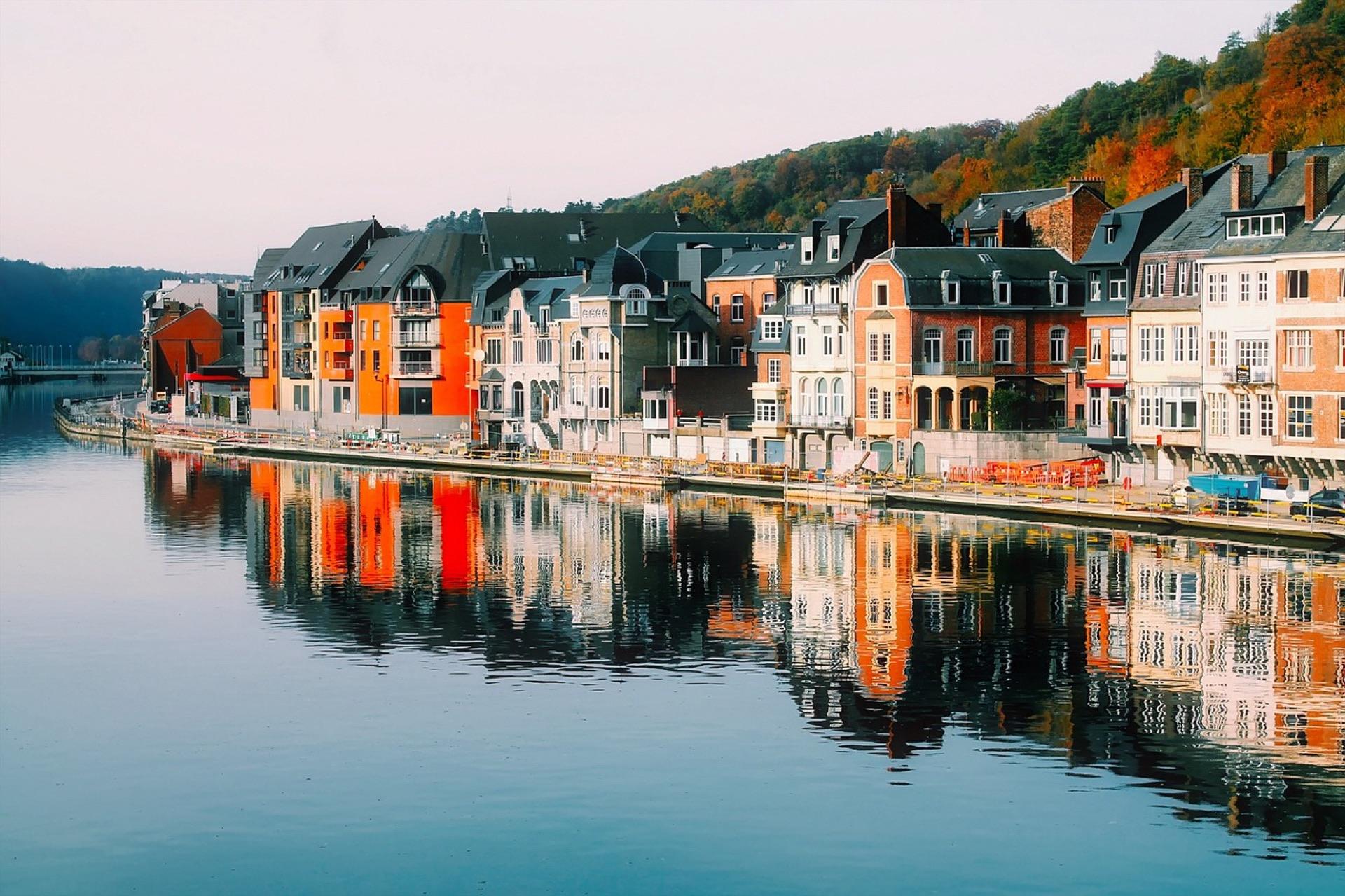
Wallonia is Belgium's southern, French-speaking half — and the place where the industrial revolution first reached continental Europe. Liège, an independent prince-bishopric for seven centuries, still hosts Belgium's largest open-air market every Sunday morning at the Marché de la Batte. Dinant's coloured houses run under the cliff that drops to the Meuse — birthplace of Adolphe Sax, inventor of the saxophone, born in 1814 in one of those houses, and of the 13th-century Notre-Dame collegiate church with its bronze baptismal font. The citadel at Namur, one of Europe's largest, anchors Mosan Romanesque art. Bouillon Castle, family seat of Godefroy de Bouillon who led the First Crusade in 1095, remains one of the few medieval Ardennes castles still standing. Tournai's five-towered cathedral, UNESCO-listed, brings Romanesque and Gothic together in the same nave. At the table, jambon d'Ardenne, waterzooi and smoked cheeses sign the Walloon kitchen.

LiègeDinantNamurBouillonTournai
Submit a request