All destinations

Austria

Austria
Austria 2
Austria 3
Austria 4
Austria 5

Austria is the cradle of the Habsburg dynasty, which ruled a large part of Central Europe for six centuries; this long imperial history has profoundly structured the country's cultural identity. Vienna, an imperial capital until 1918, housed the State Opera, nine Habsburg palaces and the intellectual atmosphere that brought together Freud, Klimt, Wittgenstein and Mahler around the same café tables at the end of the 19th century. Salzburg, a Baroque city set between the Alps and the Salzach, is the birthplace of Mozart, who was born there in 1756 and produced a large part of his work there; its historic centre has been UNESCO-listed since 1996. Tyrol, with Innsbruck and the Brenner Pass, opens toward the Alpine south and Italy; half-timbered villages and the Stubai glacier shape its identity. Hallstatt, clinging to the mountain on the edge of the Hallstätter See, was built above salt mines worked for millennia; the reflection of the village in the lake has made it one of the most photographed landscapes in Europe. The Sachertorte, invented in 1832 by a young Viennese pastry chef, the apfelstrudel and the long tradition of Viennese cafés are stable elements of daily life.

Practical info

Language
German
Currency
Euro (€)
Time zone
UTC+1 (CET)
From Paris
Direct flight, 1h50 to Vienna

Regions

Vienna

Vienna

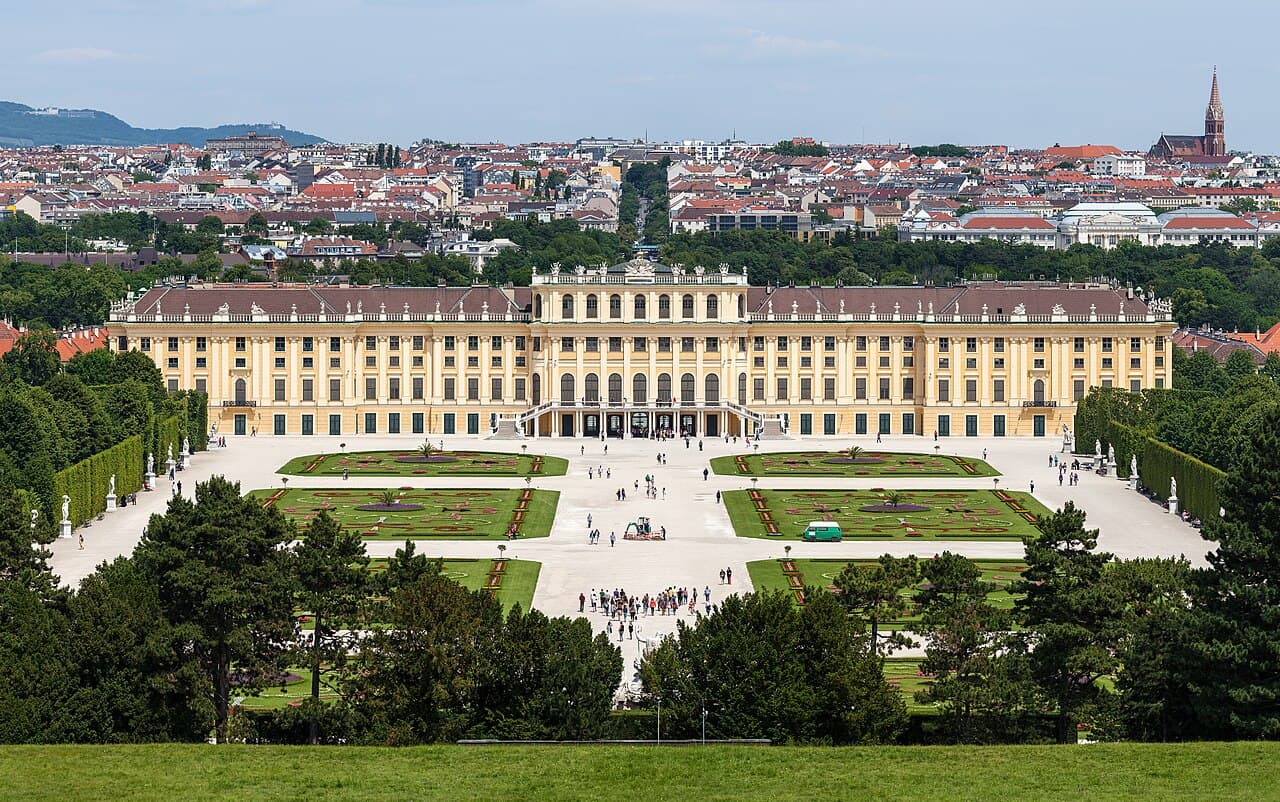
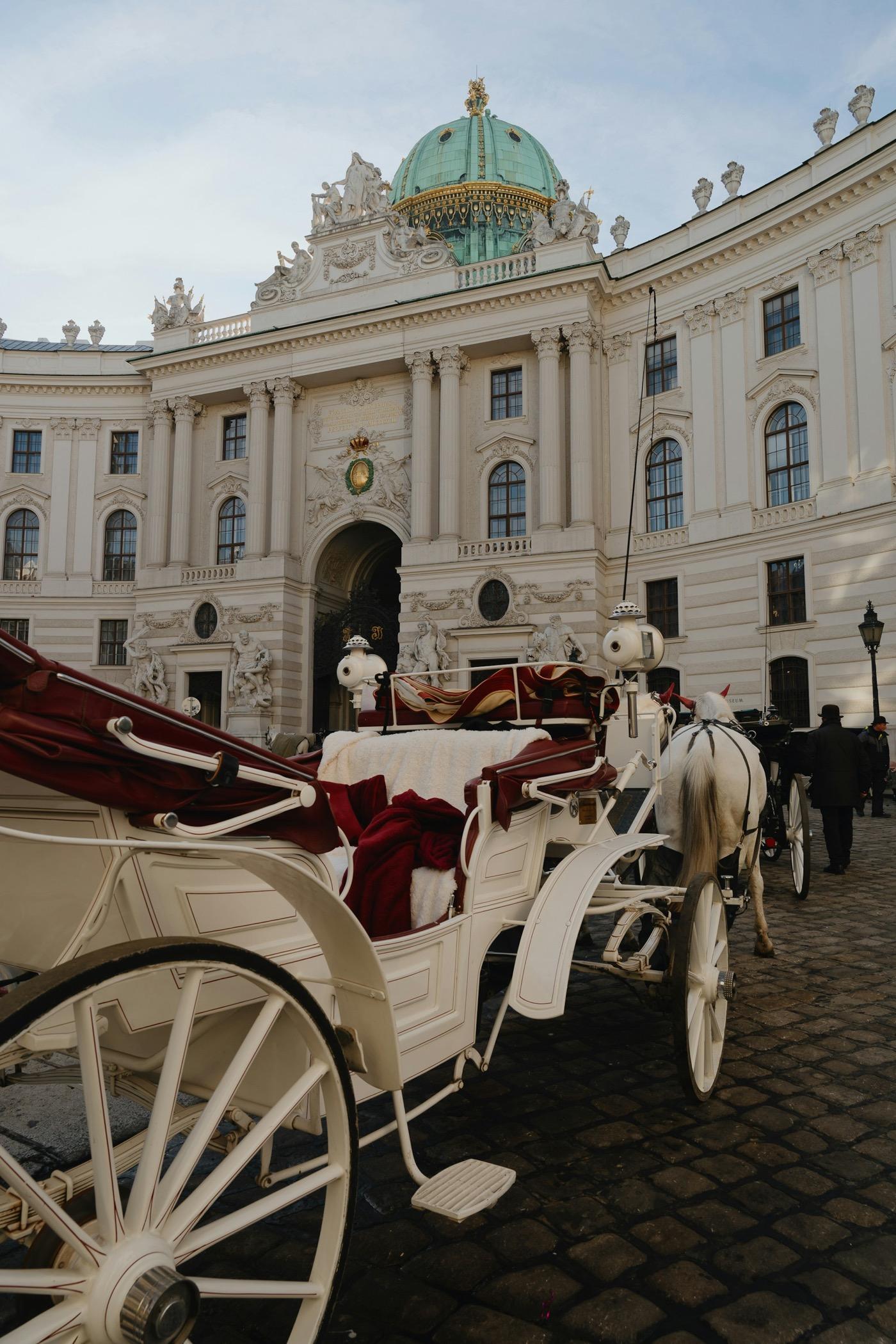
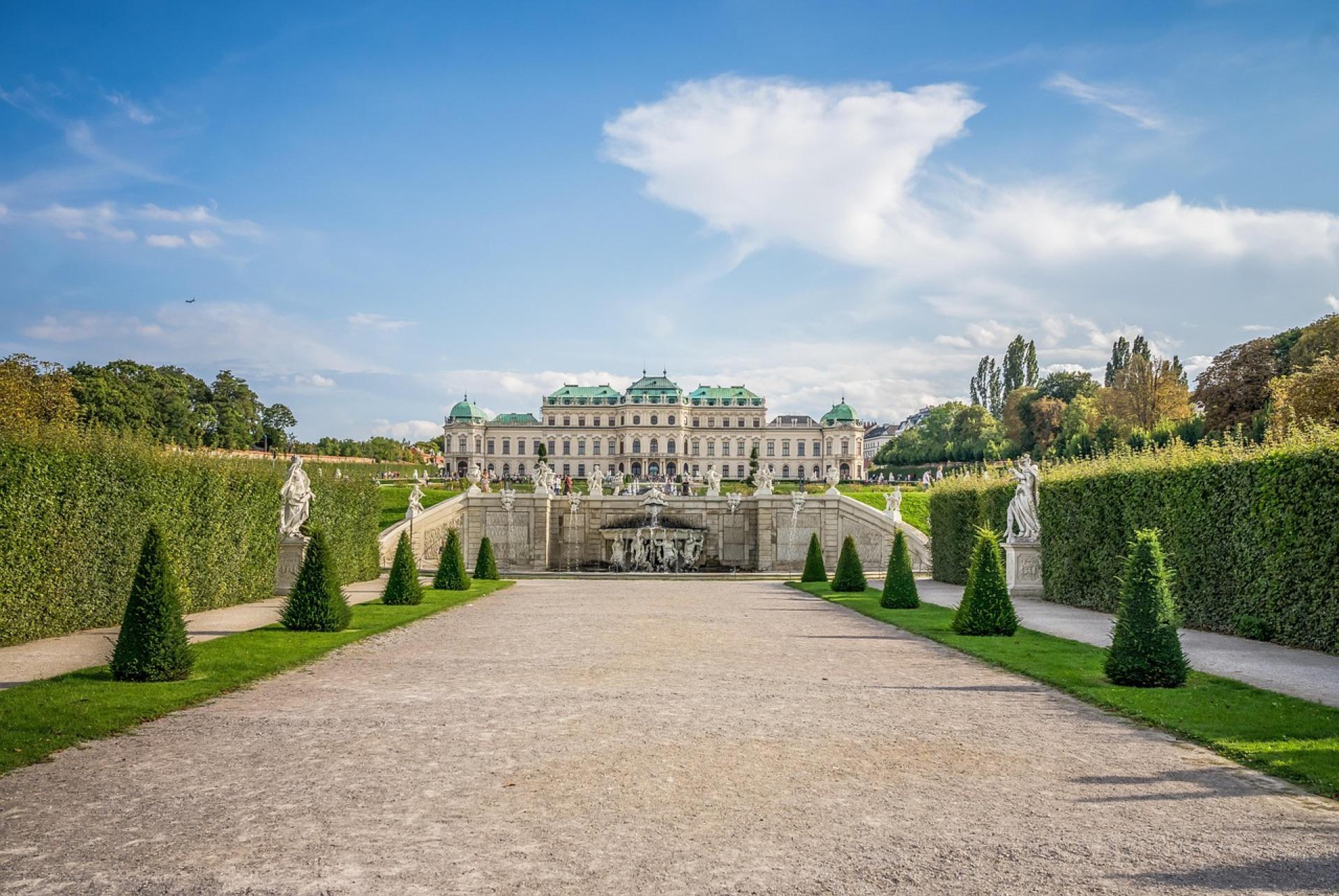
Vienna was the capital of the Austro-Hungarian Empire until 1918; the Ringstraße, a circular boulevard opened in place of the old walls in the late 19th century under Franz Joseph I, redrew the city along a modern axis and lined up the great public institutions — the State Opera, the Stock Exchange, the Parliament, the Museums — along a single circle. Schönbrunn Palace, summer residence of the Habsburgs, is an imperial complex of 1,441 rooms; Mozart, at six years old, gave his first concert there before Maria Theresa. The Upper Belvedere holds The Kiss, painted by Gustav Klimt in 1907–1908. The Vienna State Opera, which programmes a different production every night, remains one of the most active opera stages in the world. The 19th-century cafés — Central, Sperl, Landtmann — continue the Viennese coffeehouse culture, inscribed since 2011 on the UNESCO list of intangible heritage; a Melange in the cup, a strudel in the middle of the table, Vienna has not changed this rhythm.

SchönbrunnBelvedereState OperaStephansdomNaschmarktPrater
Salzburg

Salzburg

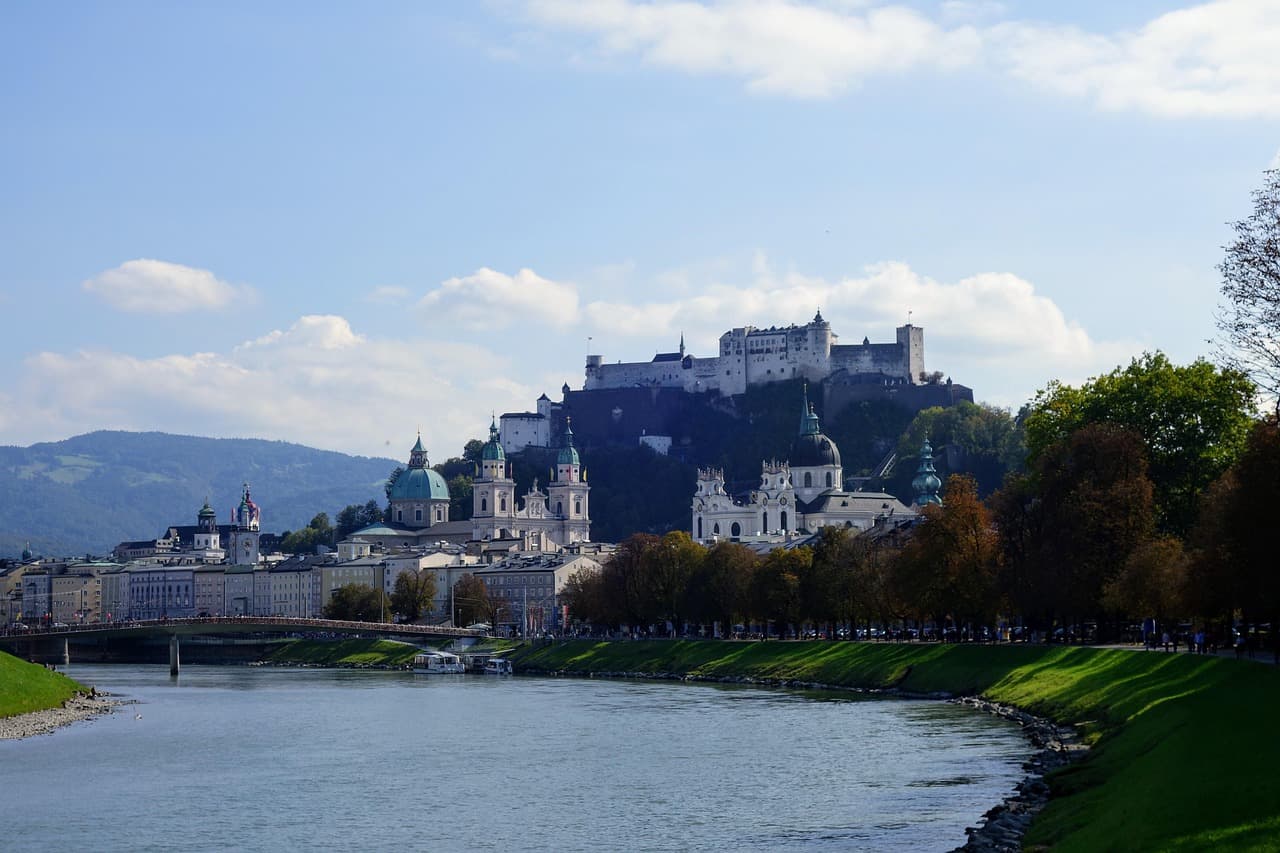
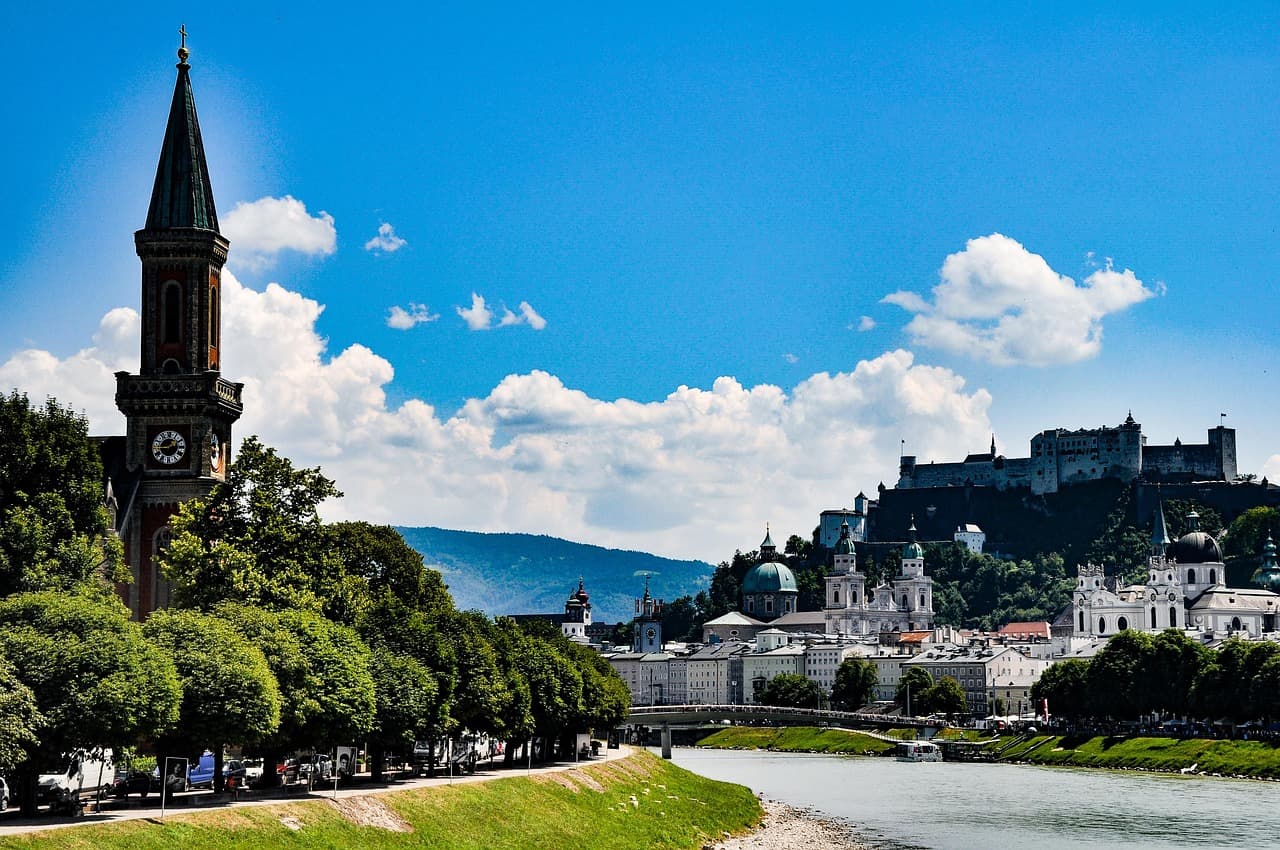
Salzburg takes its name from the salt mines worked just outside the city; in the Middle Ages it was this trade that made the fortune of the prince-archbishopric, a wealth that the Baroque façade of the town still makes visible. Wolfgang Amadeus Mozart was born in 1756 at Getreidegasse 9 and spent much of his childhood in these streets; the house is now a museum. The Baroque centre has been UNESCO-listed since 1996. Hohensalzburg fortress, begun in 1077 and expanded over several centuries, is among the largest medieval citadels in Central Europe never to have been taken. The Salzburg Festival, founded in 1920 to set the city back into post-war European cultural life, is held every summer in July and August and remains one of the most prestigious opera programmes in the world, from Wagner and Strauss to contemporary commissions. To the east, the Salzkammergut region unfolds its glacial lakes — Wolfgangsee, Mondsee, Hallstätter See.

HohensalzburgGetreidegasseMirabellSalzburg FestivalSalzkammergut
Hallstatt

Hallstatt

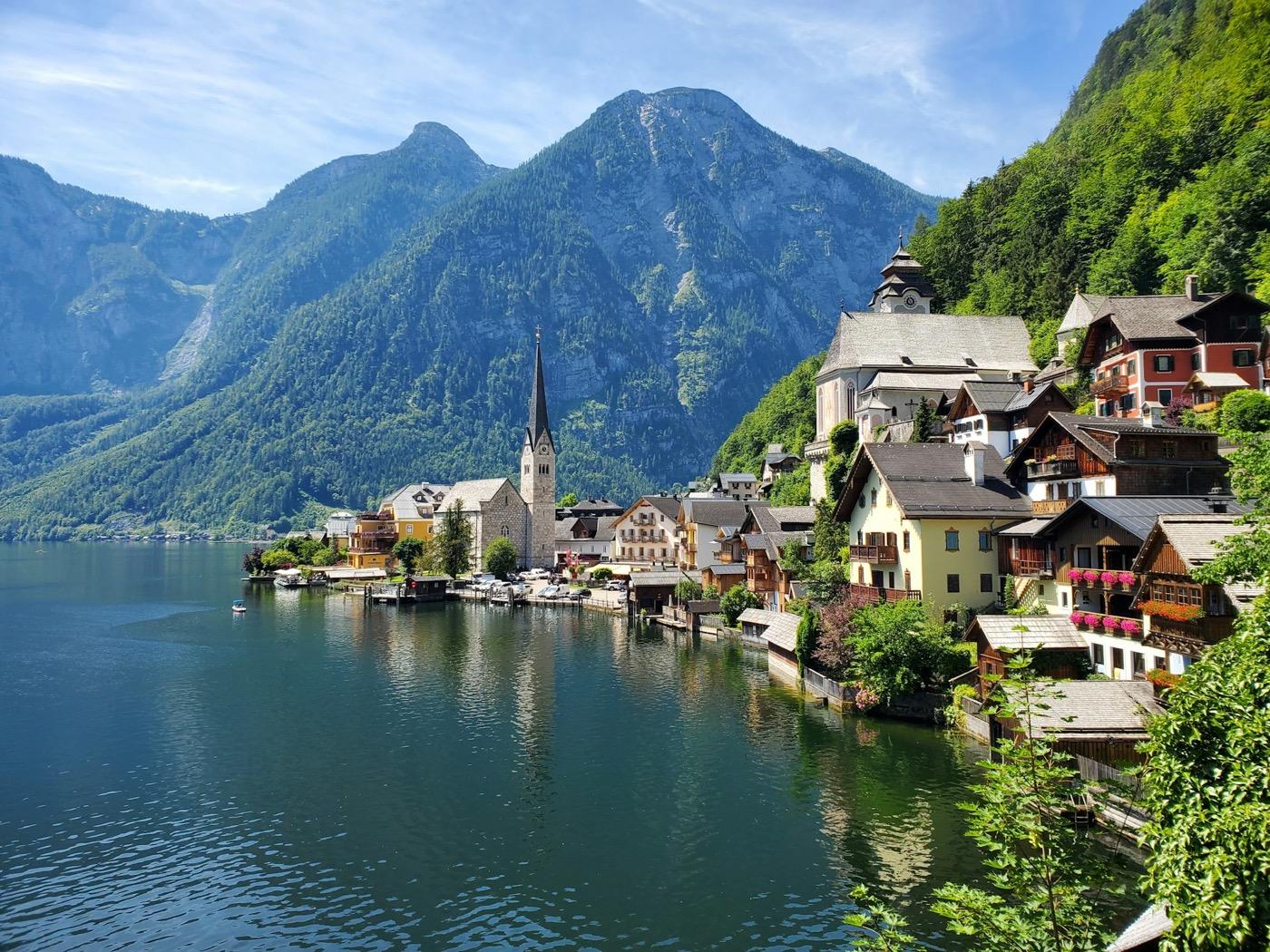
Hallstatt sits on a narrow strip of land between the mountain and the lake, in the Salzkammergut region; archaeological excavations have shown that the settlement dates back to 1,200 BCE, and it is to this site that the early Iron Age, known as the Hallstatt period, owes its name. The village has existed for millennia for the same reason: the salt mines that run into the mountain are among the oldest salt mines still in operation in the world, and the cultural landscape was UNESCO-listed in 1997. Coloured wooden houses line the shore; the two spires of the Catholic and Protestant churches are mirrored in the water. The Skywalk, a suspended viewing platform, offers from 360 metres above the lake a plunging view of the Hallstätter See. The pressure exerted on a population of seven hundred by annual visitor numbers sometimes exceeding one million has led, since 2020, to strict regulation of coach access.

Hallstätter SeeSalt minesSkywalkHistoric village
Tyrol

Tyrol

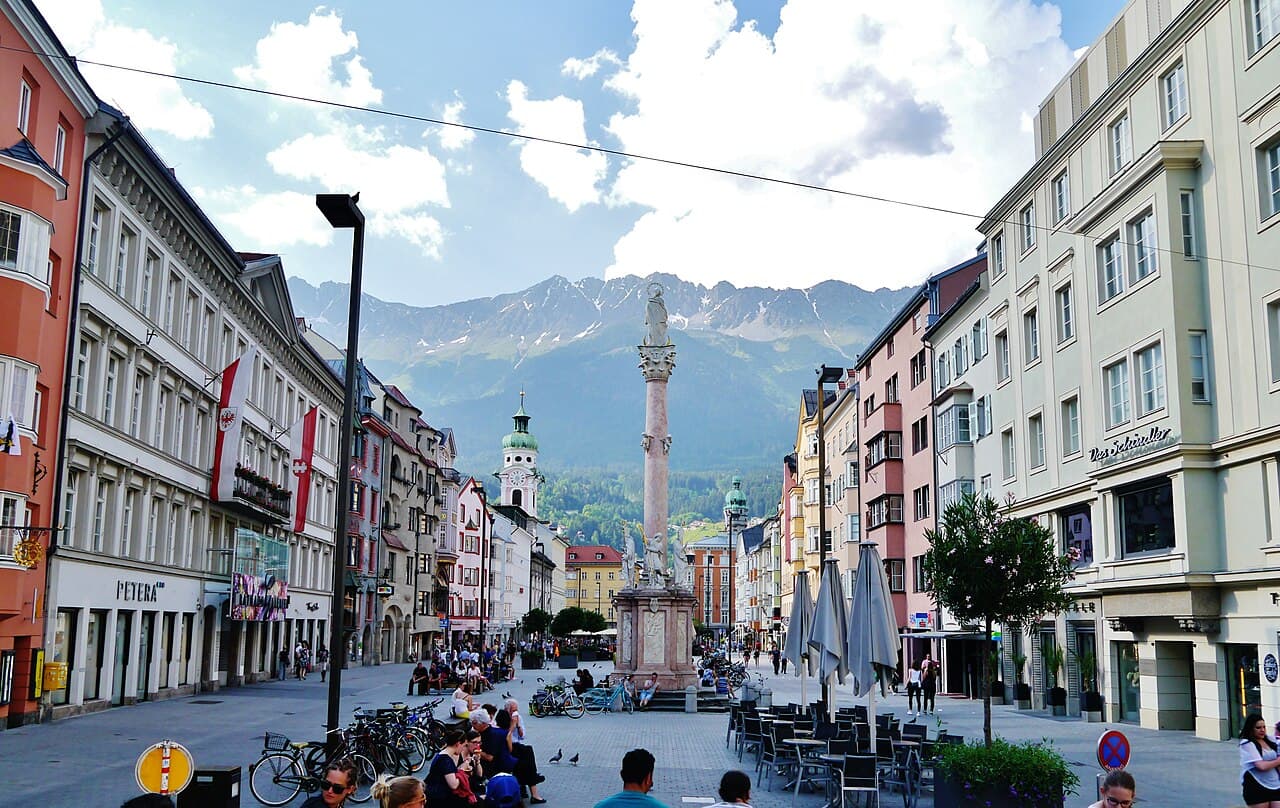
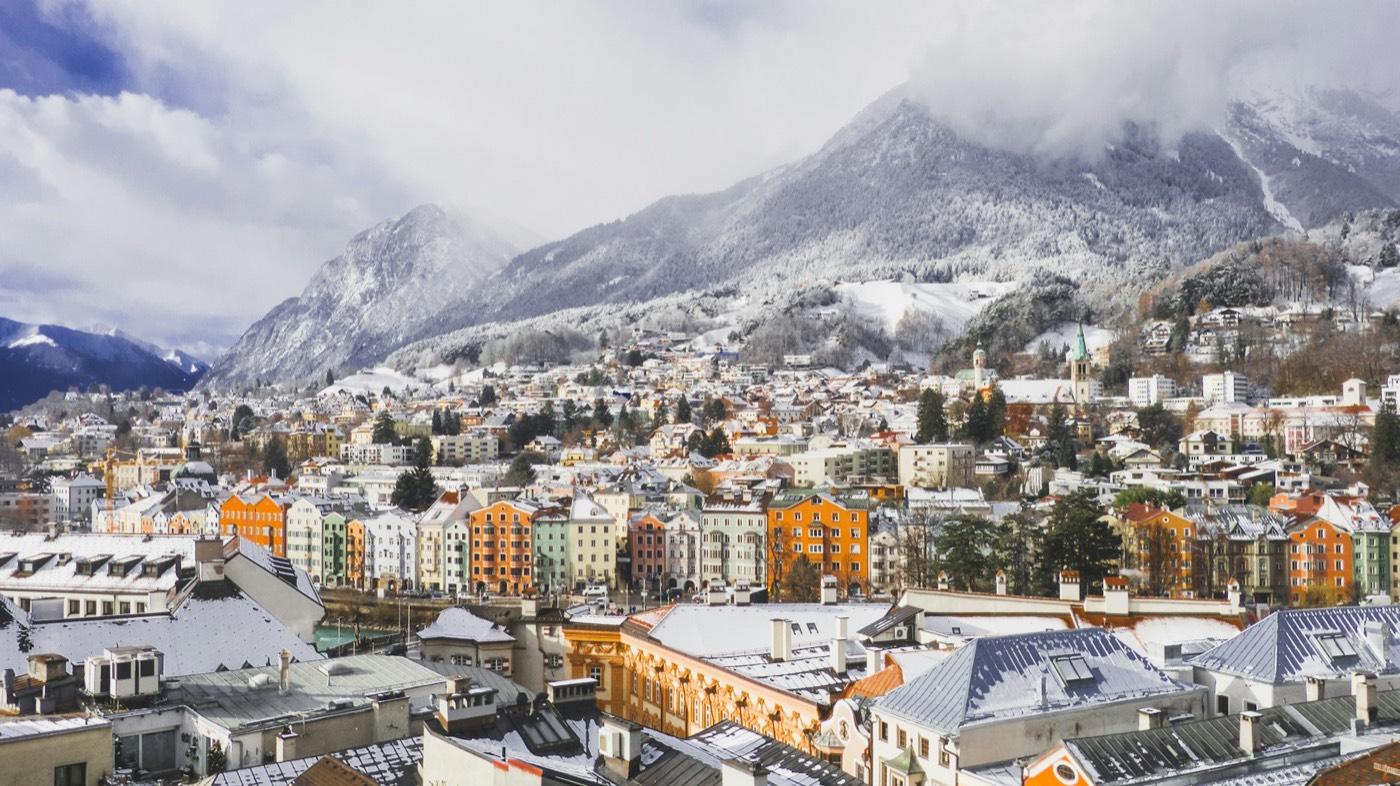
Tyrol is an Austrian Land in the heart of the Alps, historically split between a Northern Austrian Tyrol and an Italian Southern Tyrol since the 1919 partition. Innsbruck, the capital of the Land, is built along the banks of the Inn, directly at the foot of the mountains; it hosted the Winter Olympic Games in 1964 and 1976 and preserves the Hofburg, summer residence of the Habsburgs. The Golden Roof (Goldenes Dachl), completed around 1500, is a cantilevered balcony covered with 2,657 gilded copper tiles. The Brenner Pass, at 1,370 metres, is one of the lowest Alpine crossings and has served since Roman antiquity as a major route between northern Europe and Italy. The Stubai valley holds the Stubai glacier ski area, open year-round. The Nordkette range is reached from the centre of Innsbruck in two funicular stages that rise to 2,256 metres. Swarovski Kristallwelten, in Wattens, is an experiential park dedicated to crystal, designed in 1995 by André Heller.

InnsbruckNordketteSwarovski KristallweltenStubaital
Submit a request