Berlin
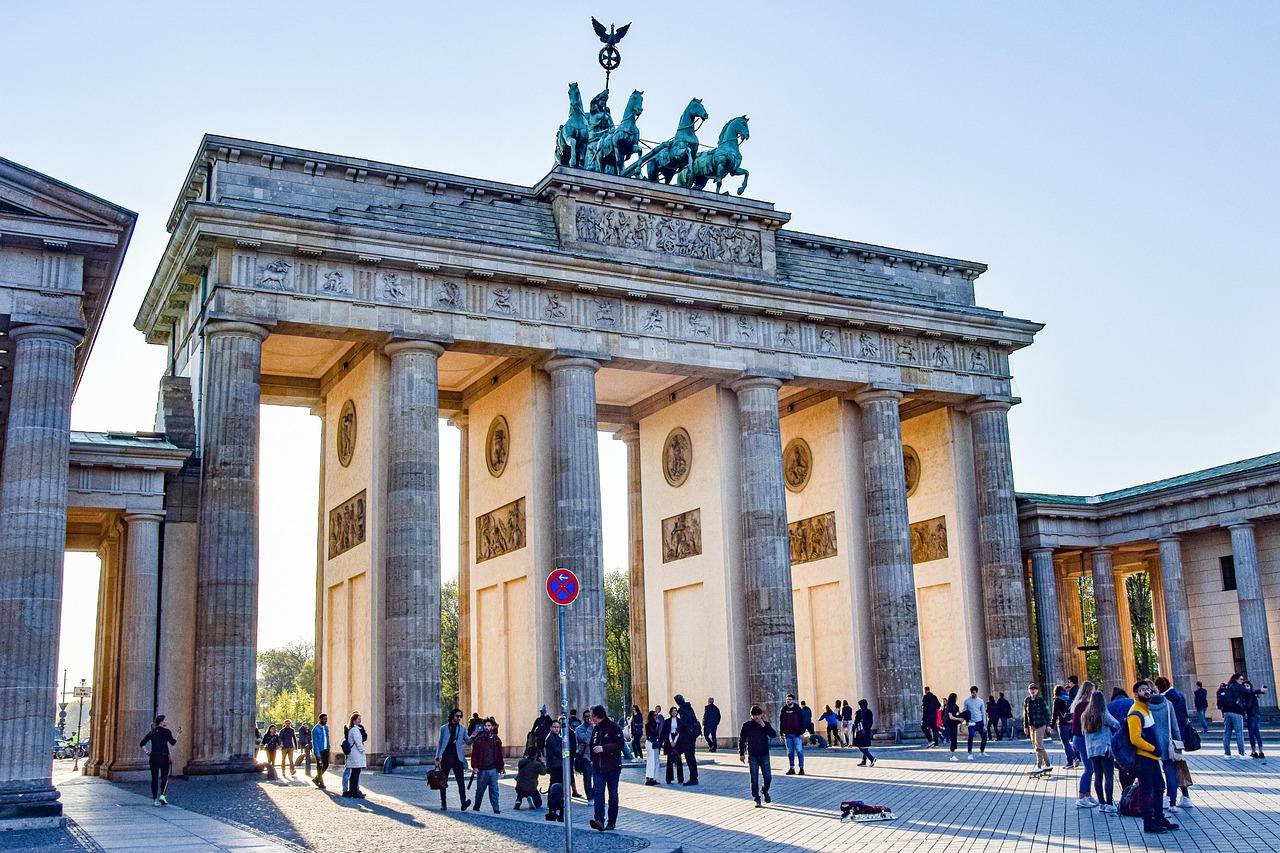
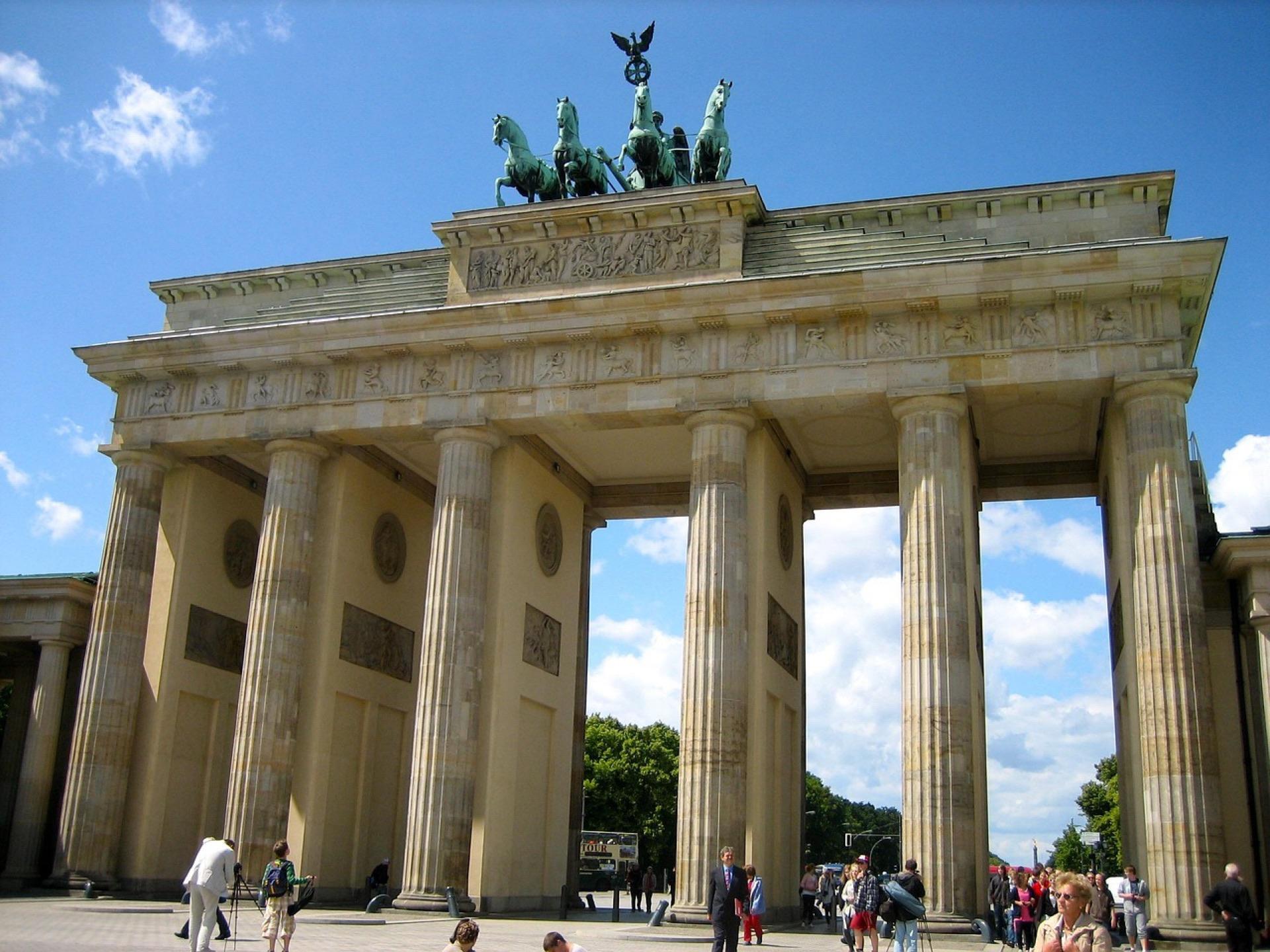
Berlin est la capitale européenne où les cicatrices politiques du XXᵉ siècle sont les plus lisibles : de la République de Weimar au nazisme, de la division de la guerre froide à la réunification de 1989, chaque rupture est inscrite dans le tissu urbain. La Porte de Brandebourg, édifiée en 1791 comme monument de paix, s'est retrouvée juste derrière le Mur pendant les années de séparation et incarne aujourd'hui l'unité retrouvée. Les cinq musées de l'île aux Musées — Altes, Neues, Alte Nationalgalerie, Bode et Pergamon — condensent un siècle et demi de la grande tradition de collection allemande et sont inscrits à l'UNESCO depuis 1999. L'East Side Gallery, plus long segment subsistant du Mur, est devenue en 1990 une galerie à ciel ouvert rassemblant 118 artistes. Berlin s'est réinventée dans les années 1990 en transformant ses friches industrielles en galeries, clubs et ateliers ; du Berghain au pique-nique dominical sur les anciennes pistes de Tempelhof, elle continue d'inventer de nouvelles formes de vie publique.